

A biotech company initiates trials for a fentanyl vaccine, with the CEO optimistic about its potential to revolutionize overdose treatment.
- Last update: 1 days ago
- 2 min read
- 322 Views
- BUSINESS
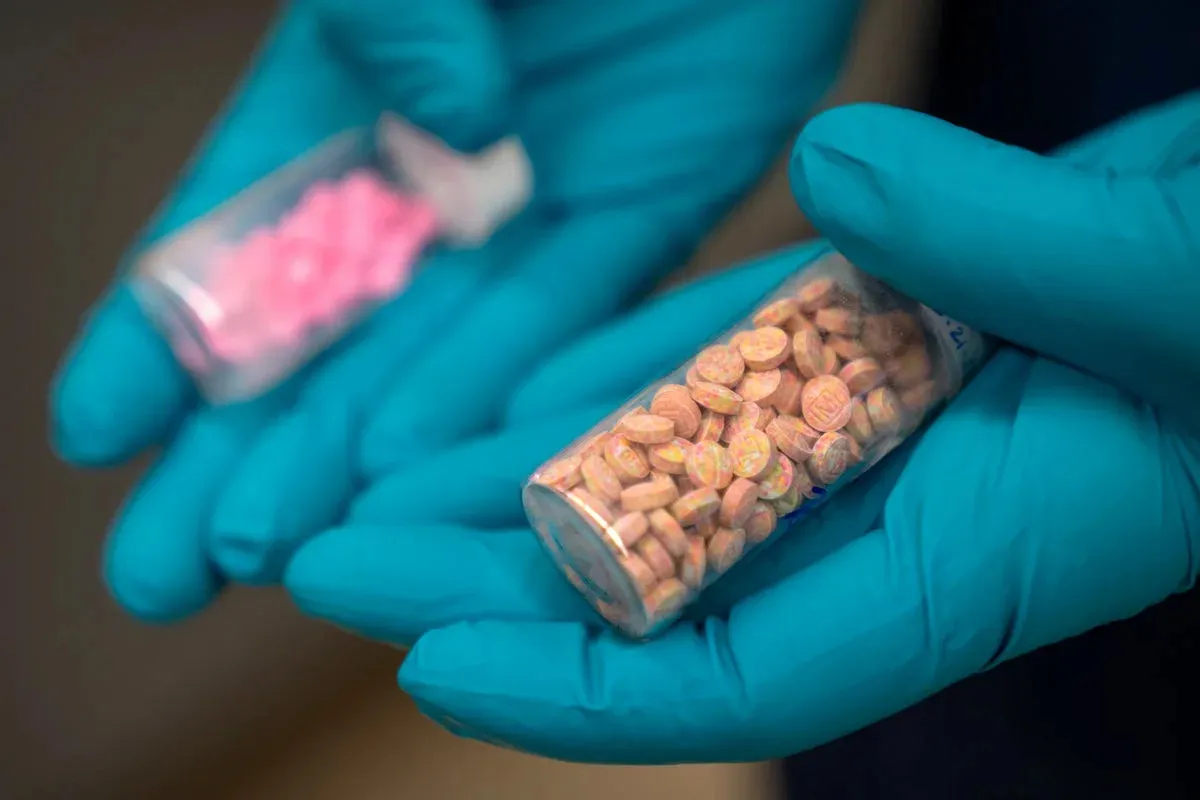
A biotechnology firm based in New York has begun testing a vaccine aimed at combating fentanyl exposure, potentially transforming the approach to overdose prevention and treatment. Fentanyl has been a leading contributor to overdose fatalities in the United States for over a decade, accounting for nearly 70% of overdose deaths in 2023, according to the Drug Enforcement Administration.
Collin Gage, CEO of ARMR Sciences, emphasizes a proactive approach. Existing treatments are largely reactive, he said. We need to focus on prevention. Unlike Naloxone, which counteracts an overdose after it occurs, ARMRs vaccine is designed to prevent fentanyl from affecting the brain at all, effectively acting as a protective barrier for those vaccinated.
The vaccine aims to neutralize fentanyl in the bloodstream before it reaches the brain, preventing both fatal respiratory effects and the intense euphoria associated with the drug. To trigger an immune response, ARMR plans to attach a carrier protein to a fentanyl-like molecule. This is intended to prompt the body to produce antibodies that identify real fentanyl as a threat, keeping the drug from crossing the blood-brain barrier.
The company is initially developing the vaccine as an injection, with oral formulations under consideration for future studies. Human trials are scheduled to start early next year with 40 healthy adult participants at the Centre for Human Drug Research in the Netherlands.
Addiction specialist Sharon Levy of Boston Childrens Hospital, advising ARMR, noted interest from populations at risk, particularly teenagers and young adults who could be exposed to fentanyl unknowingly, as well as their parents. Parents who had lost children to overdose were especially enthusiastic, suggesting the vaccine for every college-bound student, said Elissa Weitzman, director of research at Boston Childrens Division of Addiction Medicine.
Individuals currently undergoing treatment for opioid use disorders could also benefit from vaccination. Gage highlighted that the vaccine builds on research from the University of Houston and Tulane University, where animal trials showed 9298% of fentanyl was blocked from entering the brain, with effects lasting up to 20 weekspotentially translating to up to a year of protection in humans.
With over 40% of Americans personally affected by overdose fatalities, the vaccine could represent a major shift in public health strategy, moving from reactive interventions to preventive protection.
Author: Jackson Miller
Share

FDA's statements on COVID-19 vaccine safety lack reliable data support and may impede vaccine accessibility
1 days ago 3 min read HEALTH

12 former FDA officials criticize statements made by current vaccine chief
1 days ago 3 min read HEALTH

FDA to enforce stricter regulations on vaccines following memo linking COVID-19 vaccine to child fatalities
4 days ago 3 min read HEALTH

FDA official proposes changing vaccine approval process due to reported child deaths from Covid-19 shots
4 days ago 3 min read HEALTH