Farewell to Finger Pricks? Diabetics Could Monitor Glucose with Light Waves.
- Last update: 1 days ago
- 2 min read
- 339 Views
- BUSINESS
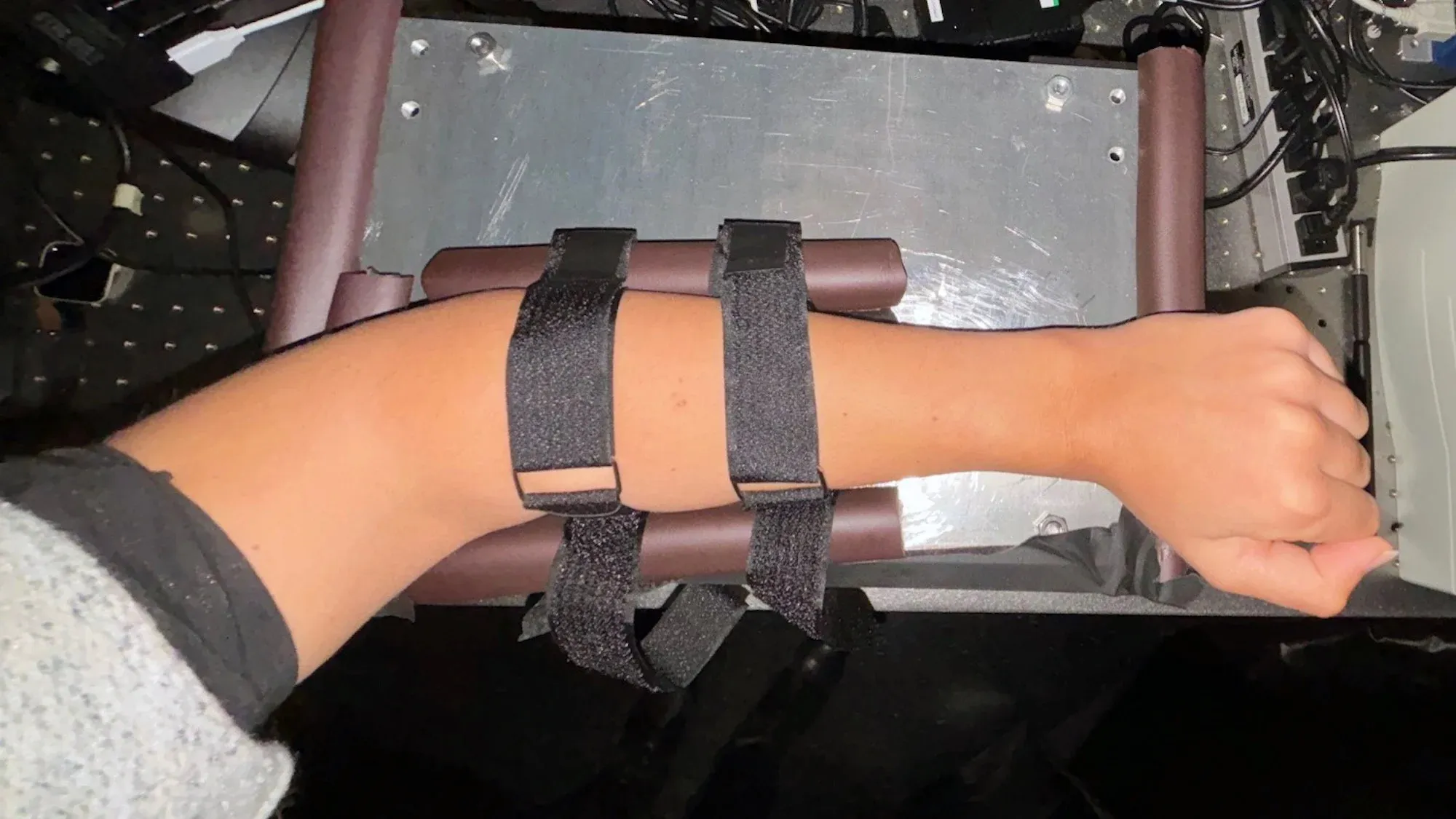
A groundbreaking, noninvasive glucose monitoring system might allow people with diabetes to finally avoid the discomfort of finger pricks and under-the-skin sensors. Although the current prototype is relatively large, MIT researchers writing in Analytical Chemistry report progress toward miniaturizing the technology. Eventually, their light-based system could be integrated into a device the size of a wristwatch.
Regular glucose monitoring is essential for diabetes management, traditionally requiring multiple daily blood samples via finger pricks. While wearable glucose monitors have gained popularity, they still present challenges. These devices measure glucose in interstitial fluid, necessitating the insertion of a sensor under the skin. Users must replace sensors every 10 to 15 days, and irritation remains a common problem.
No one wants to prick their finger several times a day, said MIT research scientist Jeon Woong Kang, highlighting that insufficient testing due to discomfort can lead to serious health complications.
The development of this noninvasive method builds on more than 15 years of research. MITs Laser Biomedical Research Center (LBRC) initially demonstrated in 2010 that glucose levels could be measured without drawing blood using Raman spectroscopy, which analyzes molecules with light. Their approach involved shining near-infrared and visible light onto tissues and comparing the reflected Raman signals from interstitial fluid to known glucose concentrations. While precise, the original method was impractical for everyday use.
Progress accelerated in 2020, when LBRC researchers discovered a way to isolate glucose signals more effectively. By simultaneously applying Raman light and near-infrared light at different angles, they filtered out signals from other skin molecules, allowing accurate glucose readings.
The initial Raman glucose monitor was roughly the size of a printer, but the team has reduced it to the size of a shoebox. They achieved this by focusing only on the essential Raman bands needed for glucose measurement, reducing the data from around 1,000 bands to just three. By limiting the spectrum to whats necessary, we can save space, time, and cost, explained researcher Arianna Bresci.
Each scan takes just over 30 seconds and offers accuracy comparable to existing commercial wearable glucose monitors. A highly accurate, noninvasive glucose monitor could benefit nearly every person with diabetes, Kang said.
As researchers continue to miniaturize the device, they plan to conduct broader clinical studies to validate its performance across diverse skin tones and ensure its practicality for widespread use.
Author: Logan Reeves