

In Colorado town built on coal, some families are moving on despite Trump's efforts to boost industry
- Last update: 47 minutes ago
- 4 min read
- 641 Views
- BUSINESS
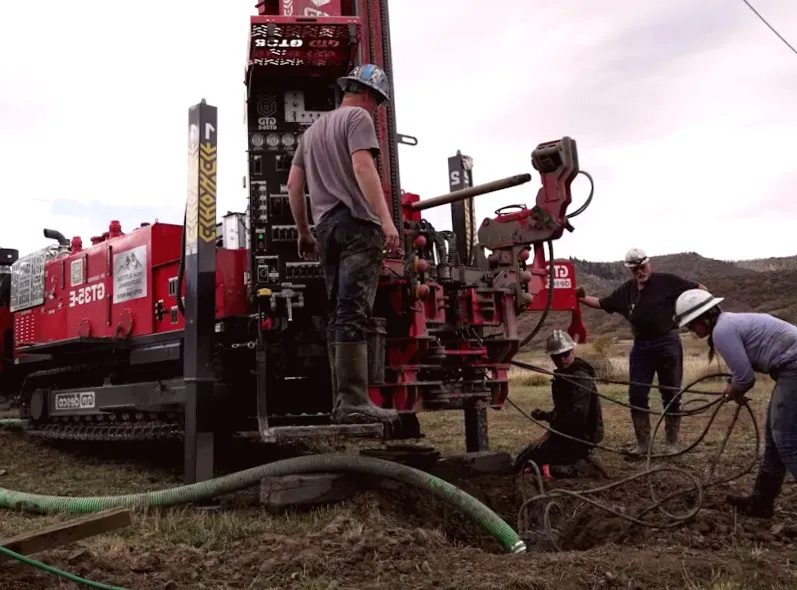
CRAIG, Colo. The Cooper family has long been familiar with heavy machinery. Their children were operating hay balers as teenagers, and two of the three worked alongside their father using massive drills in the local coal mines. But learning to handle a bright red drill designed for tapping underground heat marks a new chapter. This equipment is central to their familys new venture, High Altitude Geothermal, which installs heat pumps that draw on the Earths steady temperature to warm and cool buildings.
The Coopers move reflects not just a change in income but the end of a multi-generational tradition in Moffat County, where coal and oil have been the cornerstone of family livelihoods. Matt Cooper and his son Matthew are transitioning away from coal as one of the areas three mines closes amid Colorados shift toward cleaner energy sources.
People need to start looking beyond coal, Matt Cooper said. Our economy has long relied on coal and coal-fired power plants. We need to diversify.
Across the U.S. and globally, coal use is declining due to environmental concerns and cost. Coal combustion releases carbon dioxide, contributing to global warming. While former President Trump promoted coal through executive actions, large-scale coal sales, and subsidies to preserve jobs, communities like Craig face uncertainty about the industrys future.
The Coopers worked at the Colowyo Mine near Meeker, which supplies the 1,400-megawatt Craig Generating Station. With active mining ending and cleanup scheduled to begin in January, about 130 workers are affected. Tri-State Generation plans to retire Craigs Unit 1 this year to comply with emissions regulations and economic considerations, with the remaining units closing in 2028. Nearby Hayden Station, operated by Xcel Energy, continues operating without immediate retirement changes. Together, these plants employ roughly 200 residents.
Kirstie McPherson of the Craig Chamber of Commerce emphasized the towns entrepreneurial spirit, noting that almost everyone has ties to coal. This has always been an energy and coal town, she said. As coal declines, the community faces a broader identity challenge.
Transitioning Away from Coal
Coal has long been integral to Colorados economy, but it is now among the costliest energy sources. Governor Jared Polis highlighted that overreliance on coal is economically unsustainable, with national coal power costing $6.2 billion more in 2024 compared to 2021 due to aging plants and inflation. Colorado plans to phase out or convert its remaining six coal-fired power plants to natural gas by 2031, while rapidly expanding solar and wind energy. Renewable sources now supply over 40% of the states electricity and are projected to exceed 70% by decades end.
Nationally, wind and solar output surpassed coal in 2025, according to Ember, an energy research group. Yet some states, including Wyoming, hope to maintain or grow coal production, seeing federal support as beneficial to local mining economies.
New Paths for Local Residents
The Coopers have embraced geothermal energy fully. We may never return to coal, Matt said. Just as we moved on from oil and gas, geothermal could define our family for generations.
Meanwhile, Wade Gerber, a longtime coal worker, has started Bad Alibi Distillery in downtown Craig, producing spirits from grain. With experience in electrical and plumbing systems, Gerber adapted his skills to distilling, while colleagues explore careers in vehicle repair and gunsmithing. McPherson and Tenniel Gerber are also opening a cocktail bar nearby. Despite hopes that federal intervention might prolong coal plant operations, residents are actively shaping Craigs economic future.
Tammy Villard, co-owner of Moffat Mercantile, has diversified into commercial printing following coal mine closures. She questions the rapid transition from coal and urges more gradual change to maintain reliable electricity. Villard, a moderate Republican, stresses that political swings between green energy policies and fossil fuel support have created instability for local families.
The community is navigating a delicate balance, preserving livelihoods while adapting to a rapidly changing energy landscape.
Author: Noah Whitman