

Influence of English Common Law on the United States
- Last update: 58 minutes ago
- 3 min read
- 156 Views
- BUSINESS
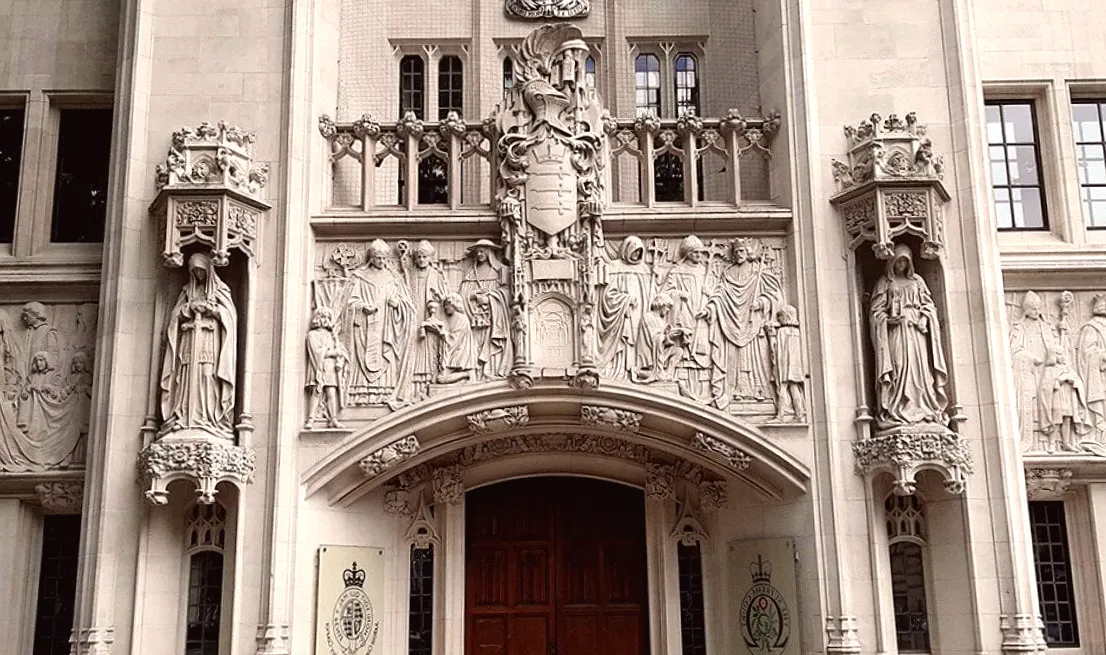
The traditions of the British monarchy, dating back to 1066, continue to attract worldwide interest. While the United States is not part of the British Commonwealth, numerous American institutions and customs have roots in England. Beyond sharing the English language, the U.S. legal framework is heavily influenced by British law.
Many foundational principles of tort law in the United States were directly inherited from England. Historically, the British monarch held ultimate authority over the legal system, including the appointment of judges. Over time, this process has evolved to involve multiple actors such as the Lord Chancellor, independent commissions, senior politicians, and sitting judges, making it more democratic.
In Britain, the absence of a codified constitution means the legal system relies on both statute law and common law. Statute law is established by Parliament, while common law emerges from judicial decisions. A central feature of common law is the doctrine of stare decisis, Latin for to stand by things decided, which requires courts to follow precedents in cases with similar facts. This principle includes vertical stare decisis, obligating lower courts to follow higher courts, and horizontal stare decisis, ensuring courts respect their own past rulings. This approach guarantees consistency across legal decisions.
Similarly, the United States has adopted common law principles, with its courts bound by the concept of stare decisis. English common law has notably shaped American jury trials, which mirror British procedures, including a presiding judge, prosecution and defense attorneys, witnesses, and court reporting. In both countries, a jury trial is generally required only for punishments exceeding six months of imprisonment.
The U.S. criminal justice system also reflects British influence through the presumption of innocence. Like Britains Human Rights Act 1998, which declares that everyone charged with a criminal offense shall be presumed innocent until proven guilty, the U.S. system mandates that guilt must be established beyond a reasonable doubt. Civil trials share a similar evidentiary standard, the preponderance of the evidence, meaning that a fact is more likely than not to have occurred.
British law has also impacted the American tort system, particularly regarding lawsuits against public entities. Early English law limited citizens ability to sue the sovereign, and similar restrictions persist today in places like New Jersey. Under New Jerseys Tort Claims Act (Title 59), citizens must follow specific procedures, including providing written notice within 90 days, demonstrating medical bills above $3,600, proving permanent injury, and waiting six months before filing suit.
While the U.S. legal system is not without flaws, it remains one of the most developed globally. The country currently has over 1.1 million attorneys, 30,000 judges, and roughly 1.2 million other legal personnel. The historical connection to English law has significantly shaped the legal foundations of the United States, making Britains influence enduring and profound.
Author: Olivia Parker
Share

Opinion - Young Americans call for solutions to the affordability crisis
56 seconds ago 3 min read BUSINESS

Columbia Mocks Flat-Earthers: Snap a Picture and 'Win' the Entire Company
59 seconds ago 2 min read BUSINESS

HIE advances towards expanding Inverness Campus
2 minutes ago 1 min read BUSINESS

US professor with tenure fired for supporting pro-Palestinian protests challenges termination
3 minutes ago 3 min read BUSINESS

The 50 safest cities in the United States
4 minutes ago 4 min read BUSINESS

Right-wing pundit argues that Americans are unconcerned about Hegseth's alleged 'war crimes'
5 minutes ago 3 min read BUSINESS

Leaving AI Regulation to States Could Suffocate AI
9 minutes ago 3 min read BUSINESS

The medtech industry in 2026 - latest edition of Medical Technology available now
10 minutes ago 1 min read BUSINESS

University of Virginia (Darden) Wins 2025 MBA Best In Class Award for Student Immersions
11 minutes ago 4 min read BUSINESS

Which 25 US cities experience the most congestion? Check out this data company's ranking.
11 minutes ago 2 min read BUSINESS