Milan prohibits self-check-in key boxes for short term rentals from 2026 onwards
- Last update: 50 minutes ago
- 3 min read
- 217 Views
- BUSINESS

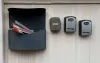
Starting January 2026, Milan will forbid the use of self-check-in key boxes for short-term rental properties, following a resolution passed by the city council. The ban specifically targets key boxes installed on public structures such as street furniture, road signs, fences, gates, and light poles.
Property owners who fail to remove the boxes within thirty days will face fines ranging from 100 to 400, in addition to paying for the cost of their removal by the municipality.
Key boxes are commonly used to allow guests to access properties independently. The city authorities argue that placing such boxes on public land without authorization constitutes an improper use of public space for private benefit. Safety concerns are also cited, as investigations have linked key boxes to illegal activities, including drug-related offenses.
Other Italian Cities Have Already Banned Key Boxes
Milan is following the lead of other major Italian cities that have restricted the use of key boxes in response to the growth of short-term rentals. Florence, Bologna, Rome, and Venice have all implemented similar rules to protect urban aesthetics and ensure public safety.
For instance, Florence passed a resolution in February that mandates the removal of key boxes from public property within ten days and imposes administrative fines on violators. In Rome, authorities have conducted removal operations, although some actions were contested in court due to procedural concerns regarding property verification and guest identification.
Mandatory In-Person Check-Ins
The Italian Ministry of the Interior has reinforced rules requiring in-person check-ins at accommodation facilities, citing public order and safety. Self-check-in through key boxes has been seen as creating accountability gaps, making it difficult to track guests. The ministry also noted that large-scale events could exacerbate issues associated with short-term rentals.
Legal rulings have confirmed the requirement for visual verification of guests. In May 2025, a regional court annulled a circular requiring in-person identification, but the decision was overturned in November 2025 by the Council of State, confirming that self-check-in via key boxes remains prohibited unless proper guest verification is conducted.
Community Response to Key Boxes
The spread of key boxes has sparked public protests in several Italian cities. Residents have expressed concerns about the impact of short-term rentals on local neighborhoods, including rising rents and the displacement of long-term residents. In areas such as Trastevere in Rome, citizens have actively sabotaged or removed key boxes and campaigned online to call for stronger municipal oversight.
Similar civic actions have been reported in central districts of Florence, Venice, and Milan, where community groups have organized petitions, awareness campaigns, and direct removal of unauthorized key boxes to maintain urban and social balance.
Author: Sophia Brooks