

Nuclear Startup Reveals Kansas Location for Mile-Deep Reactor Pilot
- Last update: 1 hours ago
- 3 min read
- 695 Views
- BUSINESS
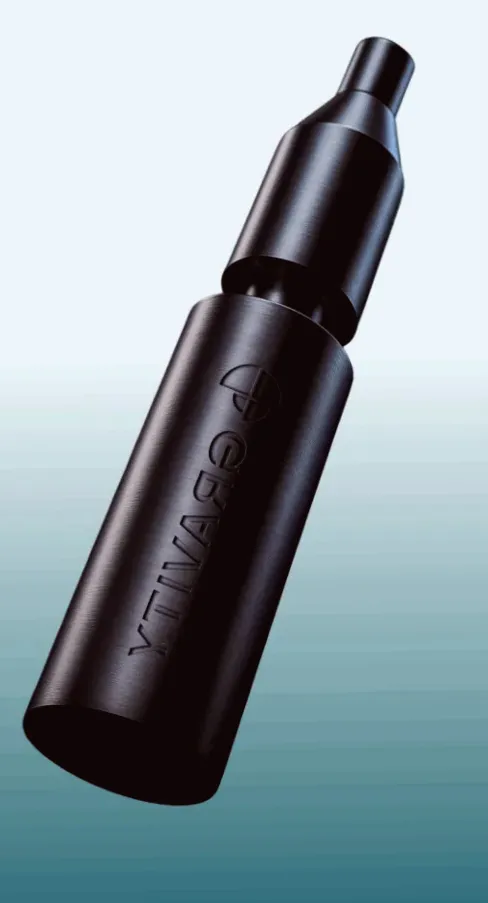
A California-based nuclear technology firm, Deep Fission, announced it will begin construction on December 9 for a pilot project in Parsons, Kansas. The company aims to deploy its innovative small modular reactors (SMRs) in mile-deep boreholes at the Great Plains Industrial Park.
Deep Fission, headquartered in Berkeley, unveiled on December 4 that its Gravity Nuclear Reactor is being prepared for installation in the Kansas site. The startup is part of the U.S. Department of Energys Reactor Pilot Program, which is designed to accelerate the commercialization of advanced nuclear technologies through a streamlined regulatory process.
Pending DOE approval, the company plans to complete its first reactor and achieve criticality by July 4, 2026. Deep Fission and the Great Plains Development Authority have signed a letter of intent to collaborate on the pilot, with long-term plans to expand into a full-scale commercial facility at the same location.
This pilot represents a major step toward an energy-abundant future, said Liz Muller, co-founder and CEO of Deep Fission. Partnering with the Great Plains Industrial Park allows us to demonstrate the potential of next-generation nuclear technology. Our Gravity Reactor is designed to provide safer, faster, and more affordable energy solutions.
Company Background
Founded in 2023 by Elizabeth (Liz) Muller and her father, Richard Muller, Deep Fission builds on the founders experience with Deep Isolation, a nuclear waste management company. Richard Muller is also a UC Berkeley physics professor emeritus and has served as a national security advisor to the U.S. government.
Gravity Reactor Design
Each Gravity Reactor produces 15 MWe and is designed to operate in boreholes at least one mile underground. The technology is scalable, allowing multiple reactors on a single site to generate hundreds of megawatts of electricity with minimal land use. The system uses traditional pressurized water reactor (PWR) designs for fuel and power control.
The reactors operate at ~315C with natural hydrostatic pressure from the deep water column, transferring heat to a steam generator at depth. Non-radioactive steam rises to the surface to drive a conventional turbine. Reactors use low-enriched uranium (LEU) fuel and can be inspected or removed via attached cables if necessary.
Deep Fissions approach incorporates elements from nuclear, geothermal, and oil and gas industries, emphasizing safety, minimal surface footprint, and rapid deployment. A single reactor can operate for 27 years depending on design. Spent reactors may be sealed in place or relocated to a nuclear disposal site.
Federal Program and Partnerships
In August, Deep Fissions design was selected among 11 projects for the DOEs nuclear pilot program, which fast-tracks testing and licensing of new reactor designs. The company has signed Letters of Intent with partners totaling 12.5 GW of potential power generation for future commercial deployment.
Economic and Technical Benefits
The company estimates that its underground reactor model could reduce overall nuclear plant costs by 7080%, with a projected levelized cost of electricity of 57 cents per kWh. Earlier this year, Deep Fission raised $30 million through a public-private financing round.
Local and Regulatory Context
Parsons, Kansas, a town of roughly 10,000 residents, hosts the 14,000-acre Great Plains Industrial Park, formerly the Kansas Army Ammunition Plant. The Kansas Corporation Commission (KCC) has had introductory meetings with Deep Fission regarding drilling permits and oversight of the pilot hole. The scope of KCCs regulatory authority over the reactor itself remains unclear.
Kansas officials have expressed support for the project. Lieutenant Governor David Toland highlighted the states commitment to energy innovation, while Senators Jerry Moran and Roger Marshall emphasized the role of advanced nuclear in supporting reliable and affordable electricity. Great Plains Development Authority Chairman Robert C. Wood praised the pilot as a demonstration of Kansas potential for energy innovation.
Author: Harper Simmons
Share
Energy department distributes $800M in grants for small nuclear reactors
2 days ago 1 min read US
State officials approve groundbreaking measure poised to revolutionize the energy industry: 'One of the safest options available'
2 days ago 2 min read BUSINESS
Strong Backing for New Advanced Nuclear Power Plant: 'Historic Turning Point'
3 days ago 2 min read SCIENCE