

Poverty rate in Argentina drops to 36.3%, reaching lowest level since 2018
- Last update: 1 hours ago
- 2 min read
- 636 Views
- BUSINESS
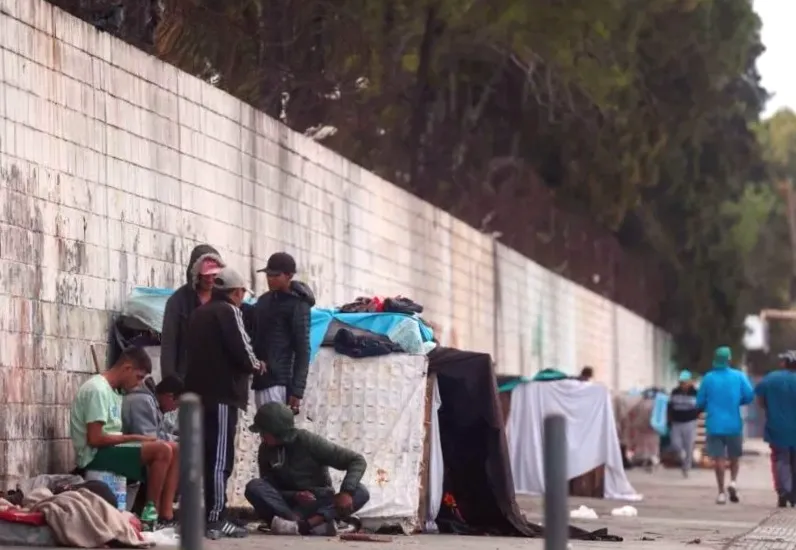
BUENOS AIRES, Dec. 5 The proportion of Argentinians living in poverty based on income decreased to 36.3% in the third quarter of this year, down from 45.6% during the same period in 2024, according to the Social Debt Observatory at the Catholic University of Argentina. This marks the lowest poverty rate in the country since 2018, following a peak in 2024 that was the highest recorded since the series began in 2005.
The report also highlights a reduction in extreme poverty, which fell to 6.8% from 11.2% in the third quarter of 2024, indicating fewer households with incomes insufficient to cover basic food needs.
"The decline in poverty is mainly due to slower inflation and partial income recovery, while the drop in extreme poverty is closely tied to cash-transfer social programs. Without these measures, extreme poverty would nearly double even under current conditions," the report stated.
Structural inequalities, however, continue to affect lower socio-educational groups and some middle-income sectors, while the wealthiest 25% of the population remain largely unaffected by economic difficulties. The report notes that although household incomes have risen for some, this has not always translated into increased purchasing power or reduced financial stress.
Lucas Gobbo, professor and researcher at the National University of Avellaneda, commented that the data show a statistically meaningful improvement in both poverty and extreme poverty. He emphasized that the most impactful policy was the substantial increase in the Universal Child Allowance, implemented shortly after President Javier Milei took office. The subsidy, which had lost value due to inflation, was doubled in real terms, helping alleviate economic hardship for many families and contributing to the reduction in poverty rates, particularly extreme poverty.
Aside from this adjustment, no additional targeted policies for low-income groups were introduced. Another key factor behind the improvement is the significant drop in inflation, which currently stands around 30% compared to over 200% two years ago, benefiting poorer households the most.
Despite these short-term gains, Gobbo stressed that Argentina lacks a comprehensive long-term strategy for growth with social inclusion. He warned that the economy remains largely market-driven, creating uneven sectoral outcomes, high unemployment, and widespread informal work, with limited state intervention.
Gobbo also highlighted the need for a stronger state role to support productive sectors and generate quality employment, suggesting that a more decisive update of the minimum wage could partially address current challenges.
Author: Olivia Parker
Share

6.3 million Germans earn low wages
10 hours ago 1 min read BUSINESS

Government promises to put an end to children residing in B&Bs
11 hours ago 3 min read WORLD

A Unexpectedly High Number of Americans Think Economy Is Excellent
1 days ago 2 min read BUSINESS

A viral claim states that $140,000 is now considered the poverty line. Let's break down the numbers.
2 days ago 3 min read WORLD