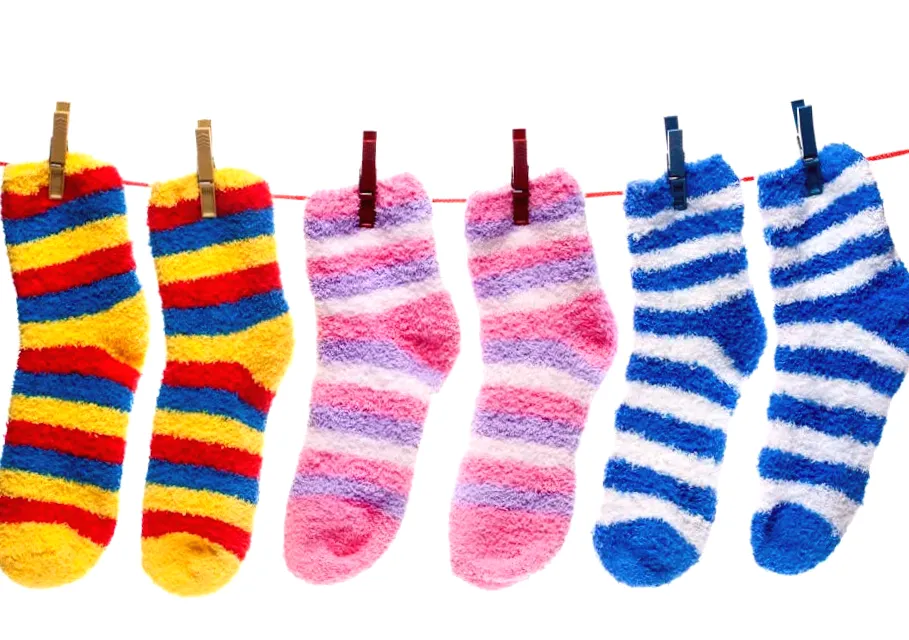
Purchasing a gift for a loved one battling cancer? Consider giving meals or assistance with laundry instead of fuzzy socks
- Last update: 58 minutes ago
- 3 min read
- 832 Views
- BUSINESS
The holiday season often brings the challenge of finding the perfect gift to show care and affection. While the intention is heartfelt, gifts dont always land as intended. Misaligned expectations between giver and recipient can sometimes cause discomfort, especially in sensitive situations such as serious illness.
My colleague Nathalie Rita and I, both sociologists, were prompted to explore this issue more deeply after being diagnosed with cancer in our early 30sbreast cancer for me and endometrial cancer for her. By 2023, we had interviewed 50 millennial women undergoing cancer treatment, exploring their social and emotional experiences, including the gifts they received from loved ones.
Commonly Received Gifts
The women reported receiving a wide variety of items, ranging from kitchen appliances and childcare help to comfort items and personal notes. From the hundreds of gifts mentioned, ten appeared most frequently:
- Fuzzy socks
- Food and drinks, including herbal teas, groceries, and meal deliveries
- Monetary support, gift cards, and GoFundMe donations
- Spa-style self-care products
- Written thoughts, prayers, and cards
- Flowers and plants
- Mugs, tumblers, and bottles
- Adult coloring books
While the intentions behind these gifts were appreciated, the repetition of certain items raised questions. Why were socks and coloring books so common when more practical assistance could have been more meaningful?
The Influence of Online Shopping and Gift Guides
We found that online gift guides and premade cancer care packages significantly shape gifting trends. Many participants noted receiving items from Etsy, Amazon, or specialized companies like Rock the Treatment, which often included aromatherapy oils, lip balms, mugs, teas, and candy. Larger packages sometimes added items like protein snacks, beanies, and coloring books.
These commercialized options, while convenient for gifters, often fail to meet the actual needs of recipients. They prioritize marketable, aesthetically pleasing items over practical support, which can leave patients feeling that their daily struggles are overlooked.
What Truly Helps
From our interviews, women undergoing cancer treatment valued practical gifts and tangible assistance more than decorative or commercially popular items. Recommended forms of support included:
- Cash or useful gift cards for groceries, meal delivery, or pet care
- Prepared meals or grocery shopping
- Help with chores, errands, babysitting, or transportation
- Personal messages, cards, and gestures of care
- Gentle, practical self-care items like soft soaps, thick lotions, or face masks
These gifts address the challenges cancer imposes on daily lifefinancial strain, fatigue, and reduced ability to care for family or manage household tasks. Simple acts like a shared meal or assistance with laundry can provide far more comfort and relief than decorative items.
Conclusion
When choosing a gift for someone with cancer, consider their daily struggles and needs. Practical supportmeals, errands, financial help, or caring messagescan make recipients feel seen and genuinely cared for. Fuzzy socks and commercial care packages, while well-intentioned, often fall short in addressing the real burdens they face.
Author: Logan Reeves