The closure of Zipcar may force me to purchase a car
- Last update: 1 hours ago
- 3 min read
- 981 Views
- BUSINESS
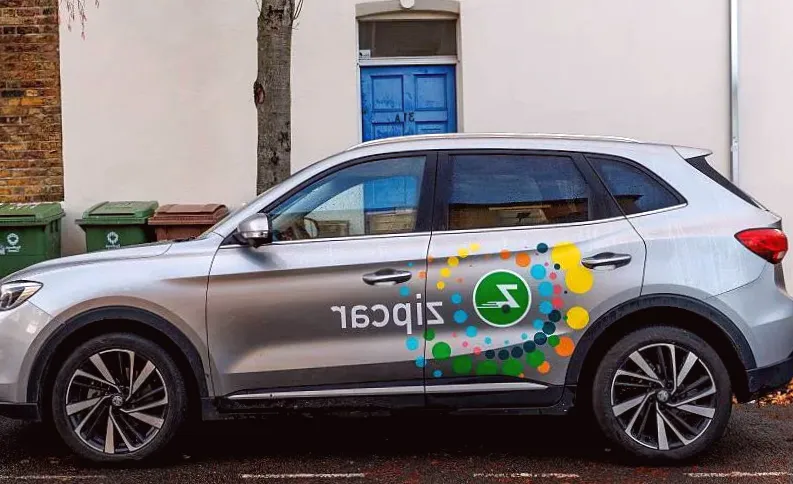
A leading car-sharing service has announced it will end its operations in London by the end of the year, raising concerns among users and environmental advocates about potential effects on the citys traffic and emissions targets.
"Without access to Zipcar, people like me might need to purchase a car," explains John Sinha, a long-time user who relies on the service every two weeks for business purposes. Based in Haringey, Sinha uses Zipcar to transport delicate items, such as 3D printers, that are difficult to carry by bike.
"Normally, I cycle across London, but when moving fragile or bulky items, a car is necessary," he says. He warns that if more residents buy personal vehicles, the city could face increased congestion and demand for parking, as private cars tend to be used more frequently than vehicles shared through car clubs.
Concerned about sustainability, Sinha has started a petition urging London Mayor Sadiq Khan to consider bringing the service into public ownership. He highlights the convenience of Zipcar: cars are widely available, bookings can be made through an app, and flexible trips allow vehicles to be dropped off in different locations. "The flexibility is close to having your own car. Removing it undermines the mayor's environmental goals," he adds.
Zipcar, a US-based company under Avis Budget Group, confirmed it has notified UK members about the planned closure and initiated a formal consultation. "New bookings in the UK will be paused after 31 December 2025, pending consultation results," a spokesperson said, while adding that operations will continue normally until then.
Previously, Zipcar had ceased services in Oxford, Cambridge, and Bristol to concentrate on its London market, which now has over 550,000 members. Steve Gooding from the RAC Foundation noted the companys difficulty in turning a profit in London, describing the closure as "perhaps inevitable, though not entirely surprising," given that car-sharing competes with both London's extensive public transport and private car ownership habits.
Caroline Russell, leader of the City Hall Greens, expressed shock at the abrupt announcement and stressed that car clubs are an integral part of Londons transport ecosystem. She urged city officials to reassess their strategic value in tackling congestion and air pollution.
A spokesperson for the mayor acknowledged the importance of car clubs in reducing private car ownership. "We are engaging with stakeholders and boroughs to ensure car clubs remain a viable option for Londoners," they said. Transport for London noted that while its regulatory powers over car clubs are limited, it provides funding to support car club spaces across the city.
Author: Jackson Miller