Urban Traffic Jams Persist, Except in Certain Major North American Cities
- Last update: 1 hours ago
- 3 min read
- 767 Views
- BUSINESS
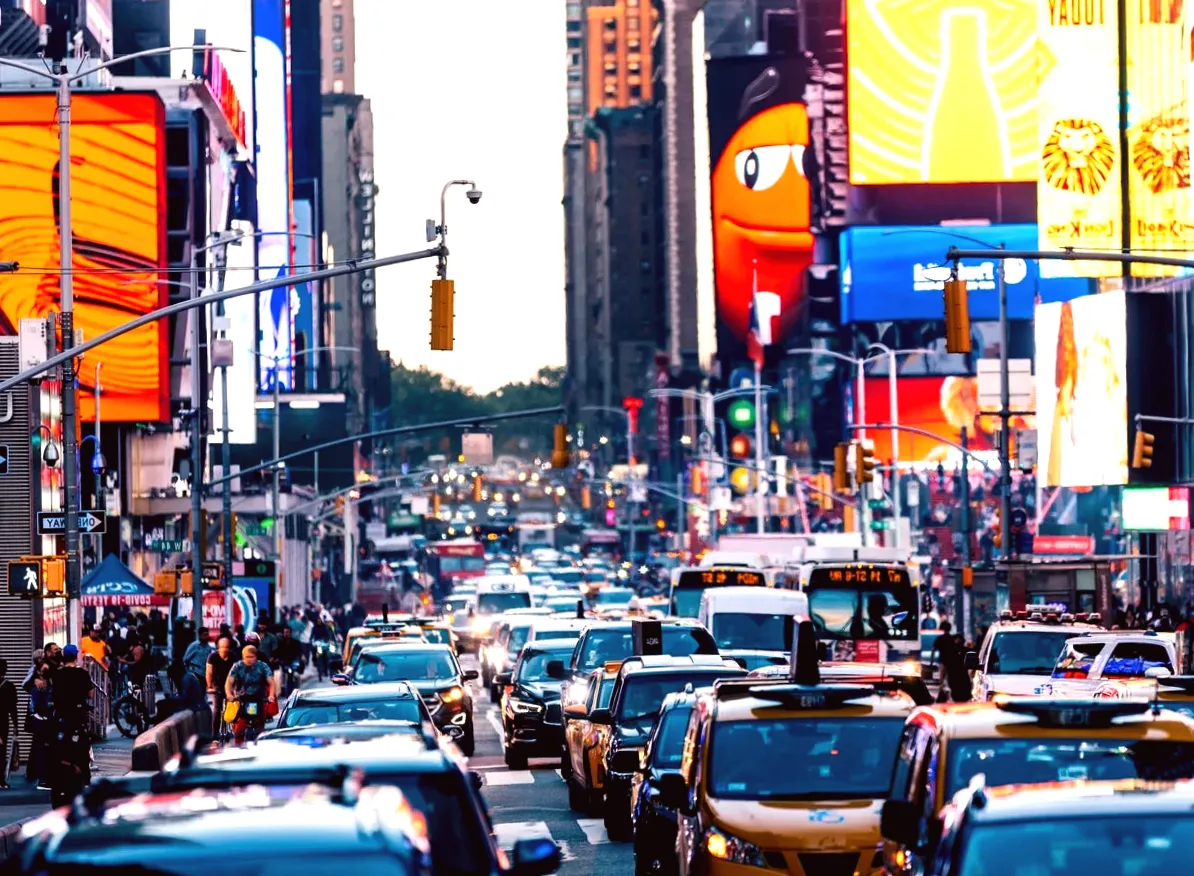
Despite the average American driver spending an increasing 49 hours a year stuck in trafficup six hours from 2024the auto industry continues to emphasize acceleration and horsepower that seldom gets utilized. Traffic congestion cost the United States over $85 billion in 2025, marking an 11% rise from the previous year, which translates to $894 lost per driver in time, according to the 2025 INRIX Global Traffic Scorecard released this month.
Bob Pishue, a transportation analyst at INRIX, presented findings from the study, which analyzed 946 cities across 36 countries, during an online briefing.
US Traffic Trends in 2025
One notable result is that traffic levels have decreased in several major North American cities, including New York, Los Angeles, and Toronto. Pishue noted, New York City traffic remained stable during the first year of the citys congestion pricing program. COVID also played a significant role, with many dense urban areas showing flat or declining congestion trends.
Similarly, European cities such as London and Paris reported lower congestion. London saw a 10% drop in traffic, aided by congestion pricing, Pishue said. Toronto is considering similar measures, while Paris now enforces low-emission zones requiring permits for entry.
Cross-border truck trips between the US and Canada also fell by 4.5% between January and August, influenced by 10%35% tariffs on Canadian goods. As tariffs took effect and negotiations stabilized, trade activity leveled off, the report explained.
Global Congestion Hotspots
In contrast, traffic congestion surged across Asia and the Middle East, with Istanbul ranking as the most congested city worldwide. Annual delays there increased 12% over 2024, totaling 118 hours lost. Mexico City followed with 108 hours lost, an 11% rise, while Chicago ranked third, with congestion nearly as severe as the top two.
Philadelphia experienced a 31% increase in delays, totaling 101 hours, and Baltimore and Seattle saw notable traffic growth. Residents in some cities are shifting from highways to smaller streets as freeways become overcrowded, Pishue added.
Average downtown speeds highlight the severity: Istanbul 13 mph, Mexico City 11 mph, and Chicago just 9 mph.
Traffic Patterns Across US Cities
Out of the surveyed US cities, 248 saw congestion growth, 12 saw declines, and 30 remained unchanged. The UK reported more cities with declining congestion (53) than increasing (42). Vehicle miles traveled (VMT) in the US is projected to reach 3.3 trillion miles in 2025, driven mainly by a growing vehicle fleet rather than increased per capita driving. VMT per person is falling, but the overall population growth sustains total travel, with federal projections showing an annual increase of 0.6%0.7% through 2053.
Suburban Traffic and Emerging Trends
Pishue noted that suburban congestion is rising, particularly midday traffic from 10 a.m. to 2 p.m., which remained stable during COVID but increased afterward, further straining roads. In New York suburbs, traffic is worsened by office return mandates and population shifts away from city centers.
Regarding electric vehicles (EVs) and congestion, Pishue stated, EVs contribute to traffic and VMT but reduce carbon emissions. They are heavier, so road wear is slightly higher. Autonomous vehicles have a larger effect by reducing collisions, improving overall traffic flow.
Author: Sophia Brooks