

Designer Paul Tazewell defends Elphaba's 'sexy cardigan' in 'Wicked: For Good'
- HOME
- ENTERTAINMENT
- Designer Paul Tazewell defends Elphaba's 'sexy cardigan' in 'Wicked: For Good'
- Last update: 1 days ago
- 2 min read
- 567 Views
- ENTERTAINMENT
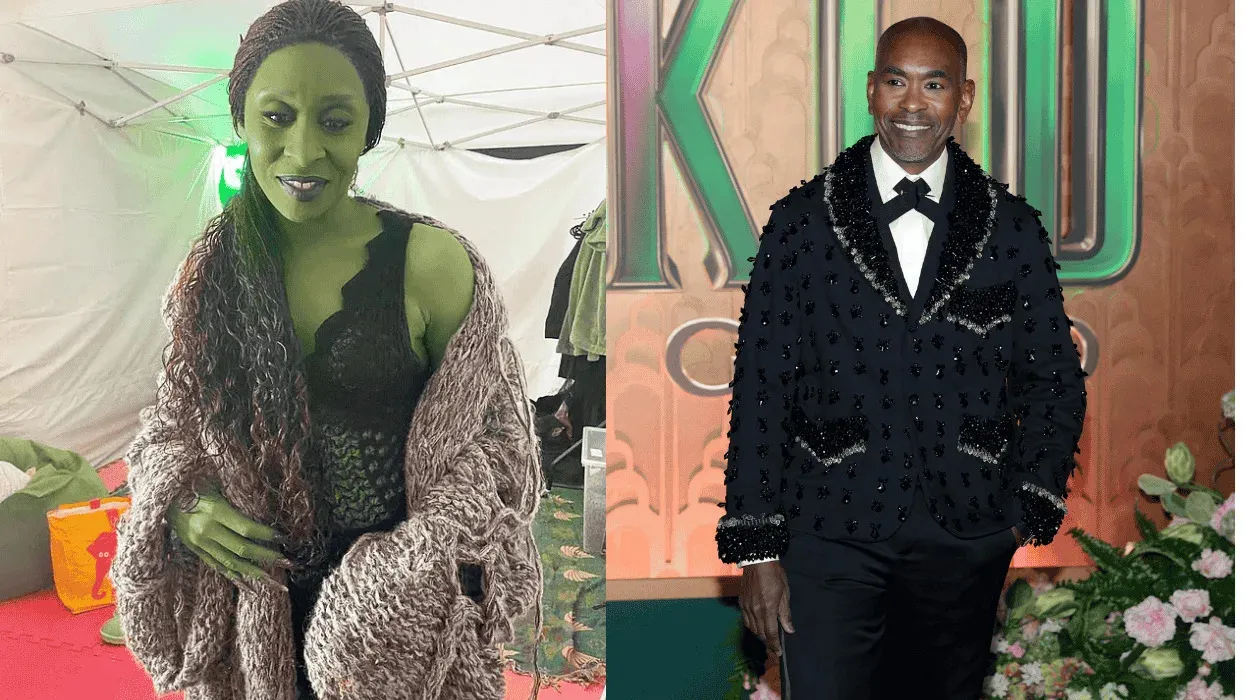
Fans of Wicked finally got an answer about the origins of Elphaba's now-famous "sex cardigan." In the film adaptation Wicked: For Good, one costume choice immediately caught the audience's attention: the oversized, hole-riddled gray sweater that Elphaba (Cynthia Erivo) wears during the intimate duet "As Long as You're Mine" with Fiyero (Jonathan Bailey).
Although the song is one of the steamiest moments in the Broadway show, the movie version slightly toned down the sensuality for its PG rating. In this scene, after Fiyero abandons his wedding to Glinda (Ariana Grande), he seeks out Elphaba's secluded treehouse hideaway. Instead of dressing in revealing lingerie, Elphaba opts for a cozy gray sweater that looks like its seen better days.
The unusual choice quickly became an internet sensation, with fans turning the cardigan into one of the films most memorable and meme-worthy moments. Now, Oscar-winning costume designer Paul Tazewell has explained the reasoning behind it.
"It came from a very organic decision about what Elphaba would realistically have access to," Tazewell told NPR. "Living alone, what would she choose when looking for something to wear thats protective and warm?"
He added, "She has a loom in her treehouse and creates her own clothes, using materials she finds around her. The sweater fits naturally with that lifestyle. Sure, some might ask, 'Why not a sleek, black peignoir?' But where would she even get one? It wouldnt make sense."
Erivo shared a similar perspective in an interview, explaining that she and Tazewell discussed the importance of comfort and vulnerability. "If shes in her own space, why would she still be in her battle outfit? She needs to be in something that makes her feel safe and relaxed," Erivo said. "I wanted her to have a moment of real softness, something that felt truly feminine, where she could be as comfortable as possible in her own environment."
Author: Ethan Caldwell
