

How to View Northern Lights Twice in a Row This Week
- HOME
- ENTERTAINMENT
- How to View Northern Lights Twice in a Row This Week
- Last update: 1 hours ago
- 3 min read
- 471 Views
- ENTERTAINMENT
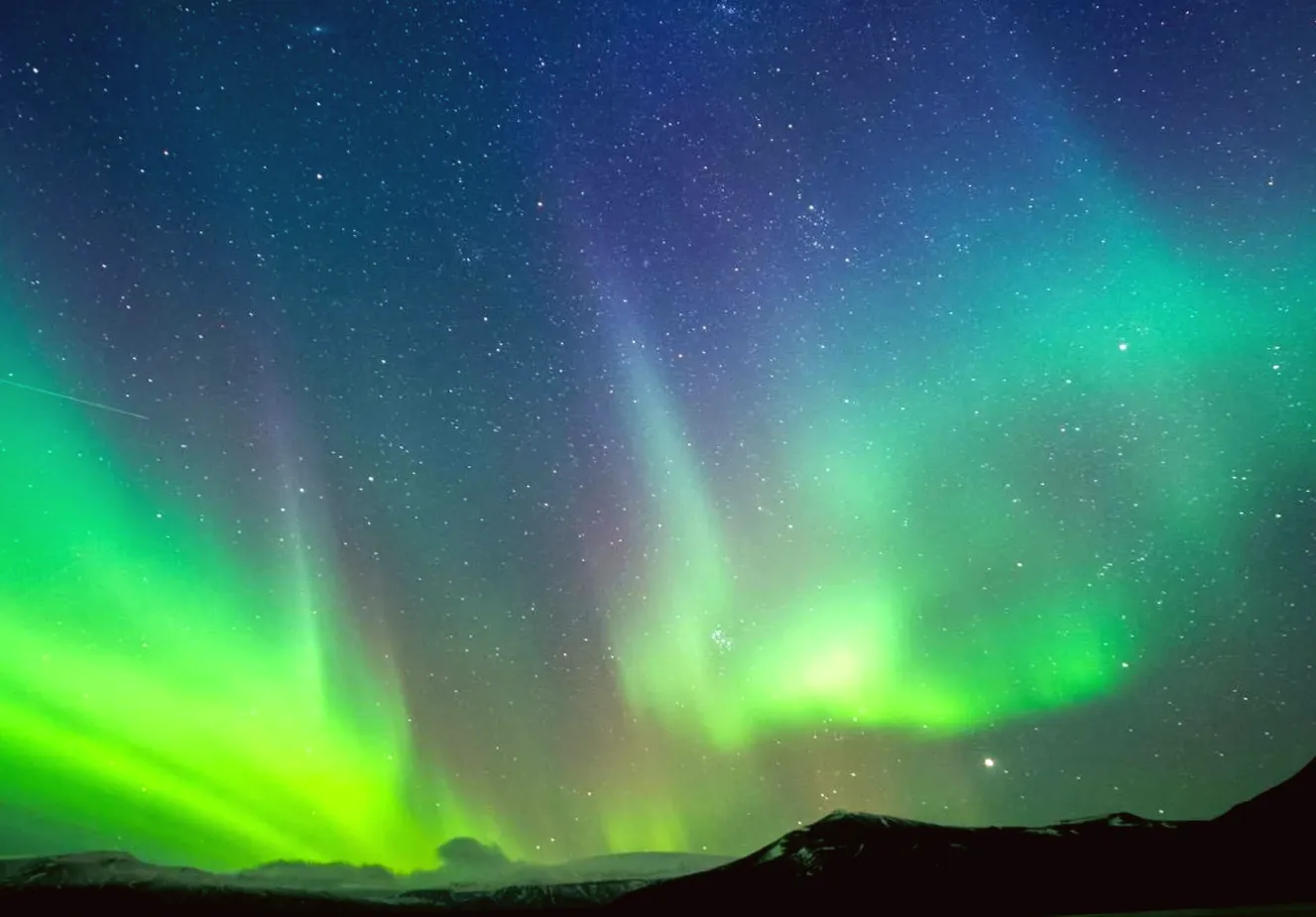
The night skies could light up with northern lights on Wednesday, Dec. 3, and Thursday, Dec. 4, as recent solar activity creates consecutive chances to witness this natural spectacle.
A strong X2-class solar flare and an associated coronal mass ejection (CME) may trigger a G2G3 geomagnetic storm, giving northern U.S. regions a prime opportunity to see the auroras. To maximize your viewing experience, seek out dark locations away from city lights and track updates from NOAA or aurora monitoring apps.
This week offers skywatchers a special treat. A powerful solar flare on Dec. 1, followed by a burst of charged particles from the sun, increases the likelihood of auroras across parts of the northern U.S. and Midwest. The aurora borealis forms when geomagnetic storms make charged solar particles collide with Earth's atmospheric gases, producing vibrant lights in the sky.
According to the National Oceanic and Atmospheric Administration, conditions are aligning for a moderate geomagnetic storm that could create dazzling displays from New York to Idaho. SpaceWeather.com notes, The CME could reach Earth on Dec. 2, and it may combine with a solar wind stream ahead of it, intensifying its effects.
Timing for Viewing
Experts predict a G2 geomagnetic storm on the evening of Wednesday, Dec. 3, with solar activity possibly continuing into the early hours of Thursday, Dec. 4. If the CME and solar wind arrive together, aurora activity could briefly spike to G3 levels before settling back to moderate intensity.
Where to See the Northern Lights
The auroras could appear across northern states including Alaska, Washington, Idaho, Montana, Wyoming, North and South Dakota, Minnesota, Wisconsin, Michigan, New York, and Maine. If storm intensity increases, visibility may extend to Oregon, Nebraska, Iowa, Illinois, Indiana, Ohio, Pennsylvania, Massachusetts, Vermont, and New Hampshire.
Tips for Watching
For the best experience, choose a dark location with a clear view of the northern horizon, away from artificial lights. Tools like the Dark Sky Place Finder and light-pollution maps can help you pick the ideal spot. Stay updated with NOAAs 30-minute aurora forecasts or use apps such as Aurora Now, My Aurora Forecast, or Glendale Aurora.
Photography Tips
Even a smartphone can capture the northern lights. iPhone users should enable Night Mode, while Android users can use Pro Mode. Turn off the flash and keep the device steady; a tripod is recommended. DSLR photographers should use a wide-angle lens and longer exposures to capture the movement and color of the auroras.
Author: Ethan Caldwell
Share
75 Incredibly Rare and Extraordinary Historical Pictures That Will Change Your Perception of the Past Completely
2 minutes ago 7 min read ENTERTAINMENT
Benny Blanco and Selena Gomez Display Their Affection at Lakers Game Date
3 minutes ago 2 min read ENTERTAINMENT

Exclusive: Danny Hastings Remembers Visiting Nas' Queens Apartment Before the Rapper's Breakthrough in Hip Hop
3 minutes ago 2 min read ENTERTAINMENT

The Creator of Jack Reacher Has Officially Departed the Series, and Fans Should Be Concerned About His Successor
5 minutes ago 2 min read ENTERTAINMENT
Anne Hathaway cast as Mother Mary: Release Date and Latest Updates
5 minutes ago 2 min read ENTERTAINMENT

Hugh Jackman and Sutton Foster Radiate Joy at Rare PDA-Filled Red Carpet Event
5 minutes ago 2 min read ENTERTAINMENT
Avatar: Fire And Ash Screened, Yet Faces One Common Complaint Despite Visual Brilliance
6 minutes ago 2 min read ENTERTAINMENT

Exclusive: Michael B. Jordan Shares His Favorite Pop Culture Vampire
6 minutes ago 1 min read ENTERTAINMENT

'Outlander' Actor Shares That Several Endings Were Recorded for the Last Season
8 minutes ago 2 min read ENTERTAINMENT

Lisa Ann Walter regrets not appreciating her fit body in the '90s and wishes she had posed for "Playboy"
10 minutes ago 2 min read ENTERTAINMENT