

'Minari' Oscar Winner Youn Yuh-jung Looks Back on Six-Decade Career at Singapore Film Festival: 'I'm Not Here to Preach, I Have No Message'
- HOME
- ENTERTAINMENT
- 'Minari' Oscar Winner Youn Yuh-jung Looks Back on Six-Decade Career at Singapore Film Festival: 'I'm Not Here to Preach, I Have No Message'
- Last update: 2 hours ago
- 3 min read
- 861 Views
- ENTERTAINMENT
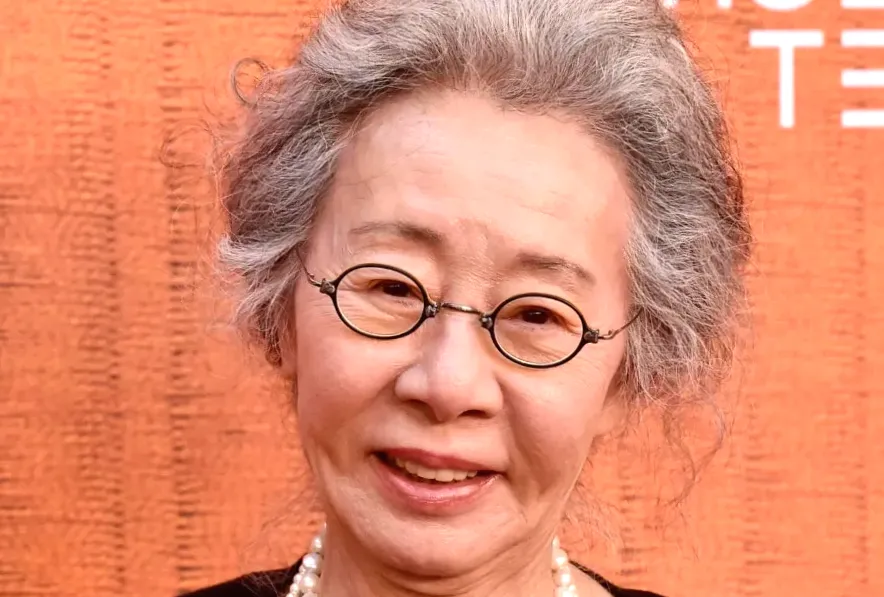
During a special conversation session at the Singapore International Film Festival, Oscar-winning Korean actress Youn Yuh-jung shared insights into her extraordinary six-decade-long career. She spoke openly about her unconventional entry into acting, her early mentorship with director Kim Ki-young, and the obstacles she faced on her path to international acclaim.
The 78-year-old, honored with the festivals Screen Icon Award, engaged in a wide-ranging discussion with local actors Rebecca Lim and Janice Koh, covering her debut in the 1971 film Woman of Fire as well as her more recent Hollywood work, including the Oscar-winning Minari.
Youn revealed that her start in acting was entirely unplanned. After failing her university entrance exam in the 1960s, she took a part-time job at a television station while attending a less prestigious college. This led to an unexpected audition. I didnt plan to become an actress. I went to the station for a tour, and they asked me to audition. I said no at first, but then I triedand got accepted, she recalled.
Without any formal training, Youn admitted feeling insecure compared to peers with theatrical backgrounds. She emphasized, however, that her dedication to preparation compensated for this. Every role I take, I memorize my lines thoroughly and practice in many ways because I realized I wasnt naturally gifted. People think its effortless, but I work very hard, she said.
Her breakthrough came with Woman of Fire, directed by Kim Ki-young, in which she portrayed a country girl turned femme fatalean atypical role in 1970s Korean cinema, which often favored conventional beauty and melodrama. By Korean standards, I wasnt considered beautiful, but this script was different from the usual storylines, she explained.
Despite early accoladesincluding Best Actress at the Blue Dragon Awards and Best New Actress at the Grand Bell AwardsYoun faced criticism. She recalled one critic doubting her voice would allow her to succeed, only to later admit he had been wrong. She credited Kim Ki-youngs guidance as a pivotal influence, noting his meticulous attention to her performances and his advice on navigating roles safely.
Youns journey to Minari was equally unconventional. Director Lee Isaac Chungs script initially overwhelmed her due to English-language challenges. Yet, learning that it was based on real-life experiences convinced her to participate. She also invested personally in the production, arranging for translation and paying for business-class travel herself. I wanted everything to be done properly, she said.
Reflecting on the acclaim following Minaribecoming the first Korean actor to win an Oscar, SAG Award, and BAFTAYoun remained grounded. Fame can lift you up and tear you down without reason. Ive experienced enough. Im myself, she stated.
At 78, she embraces what she calls a luxury approach to her career: choosing projects, directors, and schedules based on personal preference. This flexibility came after years of working intensively as a single mother to support her sons education. Once they graduated, I promised myself freedom in my work. I pick roles I genuinely want to do, she said.
On the evolution of the Korean entertainment industry, Youn observed a shift from incremental, step-by-step work to a more systematic, factory-like approach. She also noted the limited opportunities for senior actors due to production costs, acknowledging the realities of the industrys commercial nature.
When asked for advice to younger actors, she replied with characteristic candor: Im not the Pope, I dont have any message. Regarding memoirs, she firmly stated she prefers to keep her personal life private, allowing any posthumous stories to be told only after her passing.
Author: Grace Ellison
Share

Fionnuala Halligan Cultivates Saudi Film Culture through Thoughtful and Unconventional Programming
9 hours ago 4 min read ENTERTAINMENT
Deepa Mehta Discusses Career, 'Water' Controversy, and Maintaining Independence at Singapore Film Festival
19 hours ago 3 min read ENTERTAINMENT

Red Sea Film Festival: Kriti Sanon Excited to Portray Complex Character in 'Tere Ishk Mein' and Happy for Return of Love Stories
1 days ago 2 min read ENTERTAINMENT

Kim Kardashian and Naomi Watts Form Strong Connection and Plan to Enhance Season 2 of ‘All’s Fair’ (Exclusive)
1 days ago 2 min read ENTERTAINMENT

EXCLUSIVE: Yang Mi Becomes Prada's Latest Brand Ambassador
1 days ago 2 min read BUSINESS

Aishwarya Rai Bachchan Reflects on 1994 Miss World Pageant and Addressing Misconceptions About India's Wildlife and Culture
2 days ago 2 min read ENTERTAINMENT

Paramount Executive Beverley McGarvey Advocates for Diverse Content at Asian Academy Creative Awards Keynote
3 days ago 3 min read BUSINESS

Jacob Elordi and Cate Blanchett are the main contenders at the star-studded Asian Academy Creative Awards 2025
4 days ago 5 min read ENTERTAINMENT

Unveiling of 'Queen of Malacca' Cast at JAFF Market as Angga Dwimas Sasongko Presents High-Concept Action Vision
5 days ago 3 min read MOVIES

JAFF Collaborates with Asian Film Awards Academy for Hong Kong Cinema Showcase
5 days ago 3 min read MOVIES