Frank Gehry, one of the most iconic architects of the late 20th century, passed away at the age of 96 at his home in Santa Monica, California, on Friday. A spokesperson confirmed the news. According to his chief of staff, Gehry had been dealing with a brief respiratory illness before his death.
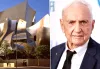
Gehrys most celebrated work is the Guggenheim Museum in Bilbao, Spain, a groundbreaking titanium structure that opened in 1997 and is often considered his masterpiece. This design marked a pivotal moment in architecture, ushering in the era of emotive and deconstructivist architecture. Following this, Gehrys work continued to inspire with notable projects such as the Walt Disney Concert Hall in Los Angeles (2003), the New World Center in Miami (2011), and the Fondation Louis Vuitton in Paris (2014), among others.
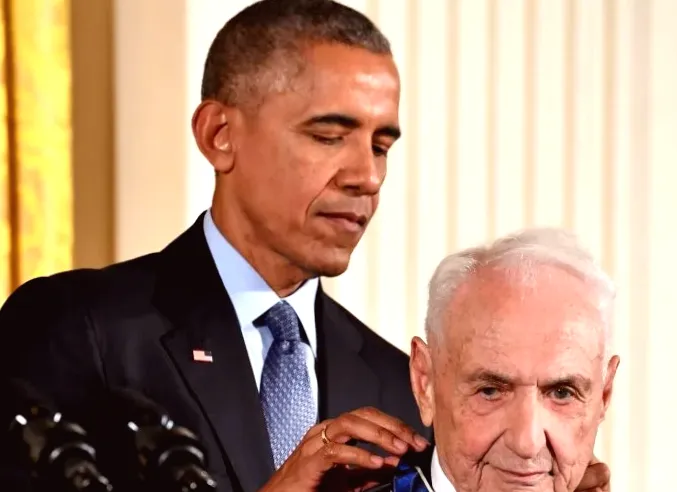
Throughout his career, Gehry earned numerous prestigious awards, including the Pritzker Prize in 1989, the American Institute of Architects Gold Medal in 1999, the British Building of the Year Award in 2004, and the Presidential Medal of Freedom in 2016.
During his acceptance speech for the Gold Medal, Gehry expressed his gratitude, saying, Its like finding out my big brothers love me after all. He was a pioneer in using computer design in architecture and is credited with sparking the era of iconic architecture, which has revitalized many urban areas around the world.
Born Frank Owen Goldberg on February 29, 1929, in Toronto, Gehry moved to Los Angeles with his family in 1947. He later changed his surname to Gehry to avoid anti-Semitism. He became a U.S. citizen in 1950 and founded his architectural firm in Los Angeles in 1962 after completing his studies in architecture at the University of Southern California and urban planning at Harvard University.
Gehrys early works included a bold conversion of a small bungalow in Santa Monica, where he used unconventional materials such as chain-link fences, cinder blocks, corrugated metal, and plywood. This project attracted attention and led to many high-profile commissions, including Chicagos Millennium Park, the Performing Arts Center on the former site of the World Trade Center in New York City, Facebooks headquarters in Menlo Park, California, and the Eisenhower Memorial in Washington, D.C.