

Supermoons and meteor showers illuminate California skies in 2026
- HOME
- ENTERTAINMENT
- Supermoons and meteor showers illuminate California skies in 2026
- Last update: 4 hours ago
- 3 min read
- 745 Views
- ENTERTAINMENT
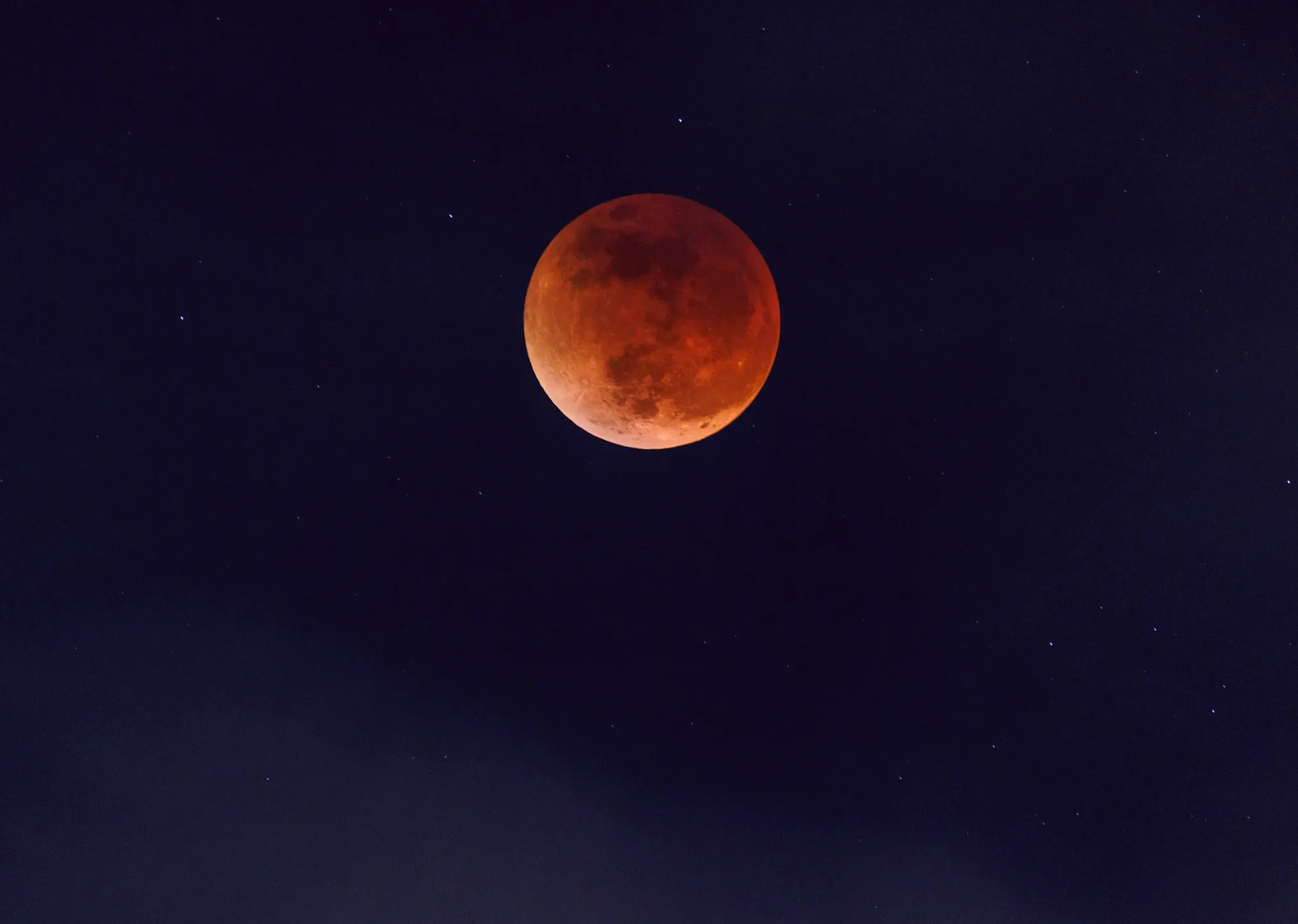
In 2026, stargazers in California are in for an extraordinary series of celestial events, starting with the Wolf Moon and a flurry of meteor showers, even as some residents are just taking down their holiday decorations.
Although the state will miss the full view of the year's first solar eclipse and see only a partial glimpse of the second, a total lunar eclipse will turn the late winter moon a deep red, and 11 meteor showers will grace the skies throughout the year. These events, most visible without telescopes, are highlighted by NASA, SeaSky.org, EarthSky.org, and the American Meteor Society.
Full Moons and Supermoons in 2026
The Moon reaches full phase on the following dates: January 3, February 1, March 3, April 1, May 1, May 31, June 29, July 29, August 28, September 26, October 26, November 24, and December 23. May 31 features a blue moon, the second full moon of the month. Two supermoons occur on November 24 and December 23, appearing larger and brighter because the Moon is at perigee, around 226,000 miles from Earth. At its farthest, the Moon is about 253,000 miles away.
Eclipses to Watch in 2026
The annular solar eclipse on February 17 will not be visible from California. Observers will need to travel to southern Asia or Antarctica for a full view. However, on March 3, a total lunar eclipse will be visible in California, turning the moon a reddish hue as it moves into Earths shadow. The eclipse begins at 12:44 a.m. PST, peaks around 3 a.m., and ends close to 5:15 a.m.
On August 12, California will catch only the edge of a total solar eclipse, with Greenland and Iceland lying along the path of totality.
Meteor Showers in 2026
Eleven meteor showers will streak across the California sky. Peak visibility assumes dark skies, so city lights may reduce the number of visible meteors. Most peaks occur earlier in the night for California viewers due to UTC timing.
- Quadrantids: January 3-4, 40-60 meteors/hour, best seen from dark locations.
- Lyrids: April 22-23, 10-20 meteors/hour, occasional bursts up to 100.
- Eta Aquarids: May 6-7, 10-30 meteors/hour, spikes to 60, originating in the southeast sky.
- Delta Aquarids: July 28-29, 15-20 meteors/hour, overlaps with Perseids.
- Perseids: August 12-13, 50-60 meteors/hour, visible in all directions.
- Draconids: October 7-8, 6-10 meteors/hour, best early evening.
- Orionids: October 21-22, 10-20 meteors/hour, after midnight is optimal.
- Taurids: November 4, long sparse showers from the southern sky.
- Leonids: November 17-18, 10-15 meteors/hour, best seen between midnight and dawn.
- Geminids: December 13-14, 75 meteors/hour, peaks up to 120, northeastern sky.
- Ursids: December 21-22, 5 meteors/hour, northern sky, best after midnight.
Where to Observe
For the best experience, head away from city lights to parks, highways pull-offs, and scenic overlooks. Be mindful of property boundaries and park hours. Meteor showers radiate from specific points, but meteors can appear anywhere in the night sky, so scan broadly.
For detailed information, check NASA's space resources, astronomy websites such as EarthSky.org, SeaSky.org, SkyAndTelescope.org, and meteor updates at imo.net.
Author: Maya Henderson
Share

December's Full Cold Supermoon Peaks Soon—Here's How and When to See It How and When to Catch a Glimpse of December's Full Cold Supermoon
12 hours ago 2 min read US
Will there be a full moon tonight? Last supermoon of 2025 in California
16 hours ago 2 min read ENTERTAINMENT
The final full moon of 2025 will shine tonight, marking one of the last supermoons for some time.
22 hours ago 2 min read WORLD
Is there a full moon tonight? Understanding the significance of the December cold moon and the longest night moon
1 days ago 4 min read ENTERTAINMENT
Tonight's Full Moon in December 2025: What is a Supermoon and How to Witness It
1 days ago 1 min read WORLD
December's full moon to reach peak brightness in California sky - What you need to know
1 days ago 3 min read ENTERTAINMENT
California's December Full Moon: What You Need to Know about the Impending Supermoon
1 days ago 3 min read ENTERTAINMENT
December’s full moon to reach peak in California sky. What you need to know about the Supermoon
1 days ago 3 min read ENTERTAINMENT
Supermoon to reach its peak in the California sky. Information about December's full moon you should know
1 days ago 3 min read ENTERTAINMENT
Supermoon to reach its peak in California's sky. What you need to know about December's full moon
1 days ago 3 min read ENTERTAINMENT