

Tips for Choosing a Poinsettia Plant That Will Thrive in Your Home
- HOME
- ENTERTAINMENT
- Tips for Choosing a Poinsettia Plant That Will Thrive in Your Home
- Last update: 1 hours ago
- 2 min read
- 242 Views
- ENTERTAINMENT
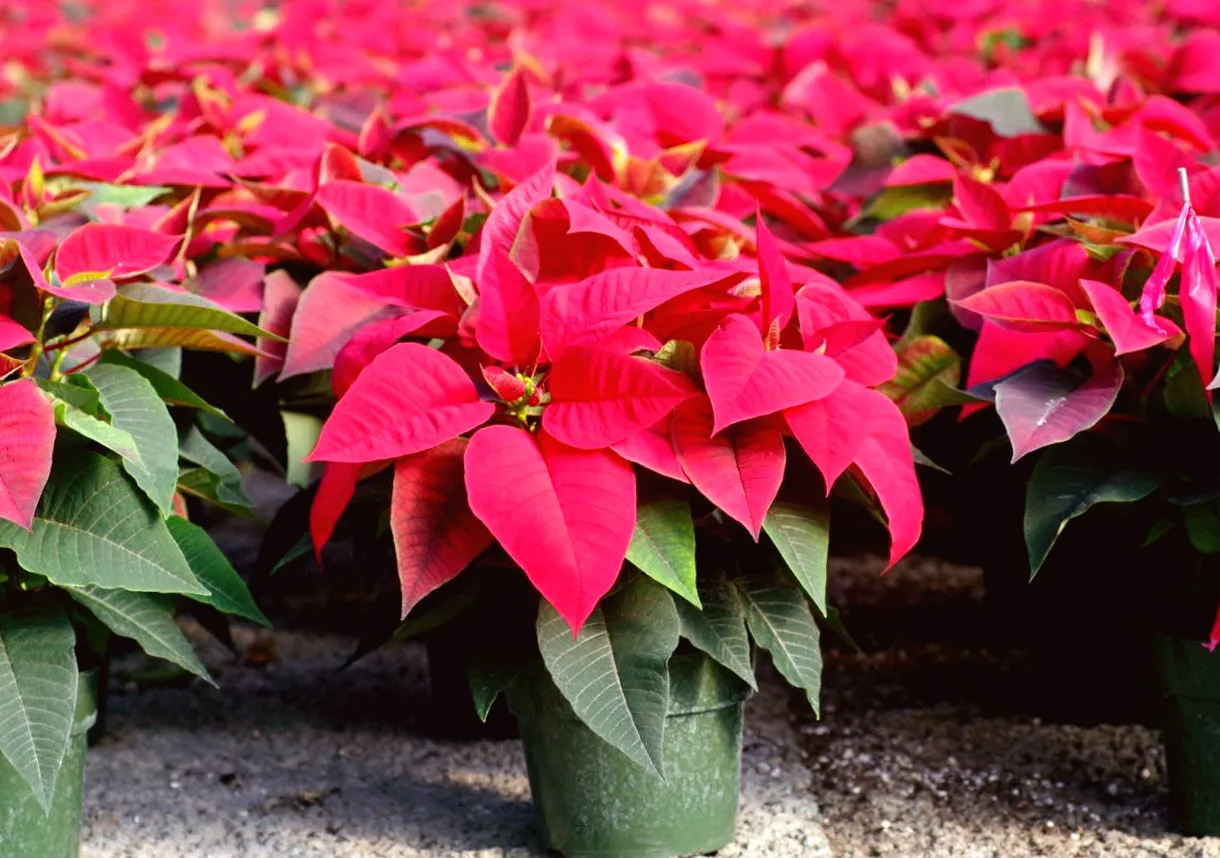
Poinsettias are a staple of holiday decorations, adding bursts of color to homes each winter. Originating from Mexico, these plants have become beloved for their festive appearance, available in shades from classic red to pink, white, yellow, and even variegated patterns. Unfortunately, many people experience their poinsettias fading quickly after bringing them home.
Justin Hancock, a horticulturist at Costa Farms, explains that with proper care, a poinsettia can remain attractive well into January. However, selecting a healthy plant is key to extending its display.
Understanding Poinsettias
The vibrant petals of a poinsettia are actually modified leaves called bracts, while the true flowers are small clusters in the center, known as cyathia. Recognizing these parts helps in choosing a plant that is fresh and long-lasting.
Tips for Picking the Best Poinsettia
- Examine the Flowers: Look at the tiny yellow buds in the center. They should be tightly closed and green or yellow-green. Open or powdery yellow flowers indicate the plant is already partway through its flowering stage, and dried or falling flowers suggest it wont last long.
- Inspect Bracts and Leaves: Leaves and bracts should appear vibrant and firm. Yellowing or drooping leaves signal stress.
- Check the Plants Base: Lift or remove the protective sleeve to see if leaves are falling off at the bottom. A bare lower section indicates the plant may not recover in time for the holidays.
- Feel the Soil: The potting mix should be slightly moist. Bone-dry soil can stress the plant, which is difficult to reverse.
- Assess Overall Health: If the plant looks dull or unhealthy, skip it. A stressed plant will not improve over time.
- Watch for Pests: Avoid plants with insects such as whiteflies, mealybugs, or spider mites. A little milky sap is normal and not a sign of infestation.
Transport and Care at Home
Once youve chosen a poinsettia, protect it during transport with a bag or sleeve and avoid exposure to cold temperatures. Sudden drops in temperature can reduce its lifespan.
At home, place the plant in a spot with bright light to maximize its longevity. Keep the soil moderately moist and water when the top layer dries out. Poinsettias are sensitive to temperatures below 50F and should be kept indoors unless you live in a warm climate. Additionally, isolate the new plant from others initially to prevent potential pest transfer.
Author: Harper Simmons
Share

Jared Padalecki reunites with Jensen Ackles in first-look trailer for "The Boys" season 5
1 minutes ago 2 min read ENTERTAINMENT

Smokey Robinson's Request for Disclosure Granted by Four Accusers
3 minutes ago 2 min read ENTERTAINMENT

Bloody Trailer and Release Date Revealed for Final Season of 'The Boys'
4 minutes ago 2 min read ENTERTAINMENT

'Past Lives' by Mike White, Creator of 'White Lotus', Adapted for Stage in New York Live Performance Starring Sawyer Spielberg and Anne-Sophie de Villeroy (EXCLUSIVE)
5 minutes ago 2 min read ENTERTAINMENT

Prince's ex-collaborator returned from ICU on life support, only to end up in hospital again due to fire.
9 minutes ago 2 min read ENTERTAINMENT

'Time Bomb Ticking' Sarah Ferguson Holds 'Plenty of Stories' to Cause 'Great Embarrassment' to the Royals (Exclusive)
10 minutes ago 2 min read ENTERTAINMENT

Stranger Things finale: Theaters and show duration revealed as tickets become available
11 minutes ago 1 min read ENTERTAINMENT

Exclusive: Sydney Sweeney's Key Advice for Young Actors Pursuing a Career in Hollywood
12 minutes ago 2 min read ENTERTAINMENT

Ranking all the Hatchet movies, including Victor Crowley
13 minutes ago 3 min read ENTERTAINMENT

Taylor Swift and Travis Kelce reportedly getting married at this hotel
13 minutes ago 1 min read ENTERTAINMENT