

Experts Reveal How Childbirth Impacts Your Body: No One Informed Me
- Last update: 3 hours ago
- 3 min read
- 320 Views
- HEALTH
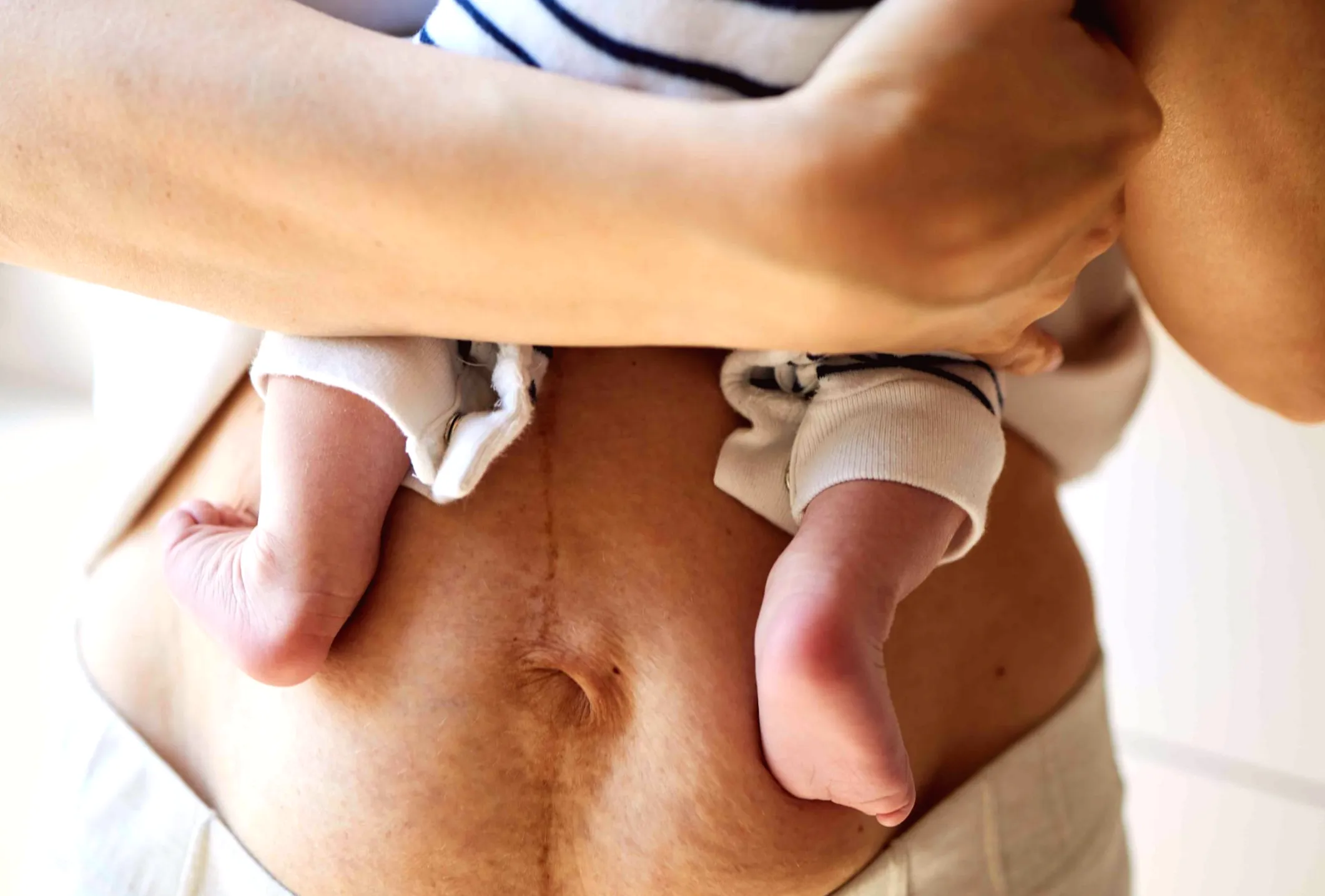
Bringing a baby into the world is an incredible experience, but it comes with profound effects on your body and mind. Every system in the body undergoes changes, and research suggests it can take a year or longer for everything to fully recover. While most attention is focused on the baby, understanding these physical changes helps new parents approach recovery with patience and seek support when necessary.
Vaginal Recovery and Tears
Even without tearing, vaginal delivery stretches pelvic floor muscles and vaginal tissues, causing swelling, soreness, and temporary weakness. Dr. Caledonia Buckheit, OB-GYN, notes that lacerations are extremely commonaffecting up to 90% of birthing parentsand can occur in the labia, vaginal walls, or perineum. The severity and location of the tear influence recovery, but most heal well, often appearing almost completely healed by the six-week postpartum checkup.
Hemorrhoids
Swollen veins around the anus, or hemorrhoids, are a frequent side effect of vaginal birth due to pushing and pressure from the baby. Physical therapist Melissa Hines explains that symptoms can be eased with sitz baths, topical creams, pain relievers, and proper toileting positions. Some parents find donut-shaped pillows helpful to relieve discomfort while sitting.
C-Section Recovery
C-sections involve major abdominal surgery, requiring multiple layers to be cut and sutured. Recovery is gradual, and pain can be managed with acetaminophen, ibuprofen, or stronger medications if necessary. Dr. Buckheit emphasizes listening to your body over rigid timelines. Scar care, including massage and creams, can support healing and sometimes scars can be revised in future procedures.
Pelvic Floor Concerns
Postpartum pelvic floor issues are common, including weakness, tension, pain, or urinary leakage. Long labors increase the risk of prolapse. Physical therapist Amanda Neri advises that many issues improve within 12 weeks, but persistent symptoms may require specialized pelvic floor therapy to restore strength and alleviate discomfort.
Diastasis Recti
Separation of the abdominal muscles, known as diastasis recti, affects about 60% of new parents at six weeks postpartum. This can contribute to back pain, urinary leakage, and a bulging abdomen. While mild cases may resolve naturally, more severe separations often benefit from pelvic floor therapy to rebuild core stability.
Breast Changes
Pregnancy and postpartum changes affect breast tissue regardless of breastfeeding. During pregnancy, milk-producing tissue and supporting ligaments expand. Early postpartum, breasts may feel heavy and tender, with adjustments over time. After weaning, breasts may settle differently, reflecting the bodys recovery rather than damage.
Mental Health
Post-birth hormone shifts can trigger mood swings known as the postpartum blues, typically lasting two weeks. Longer-lasting depressive or anxious symptoms may indicate postpartum mood disorders, which are highly treatable with therapy or medication. Adequate sleep, support, and self-care remain critical during this period.
Postpartum Constipation
Constipation is common as the digestive system readjusts. Contributing factors include dehydration, low fiber intake, and pelvic floor dysfunction. Staying hydrated, walking, and pelvic floor therapy can improve bowel function.
When to Seek Help
Recovery experiences vary widely. A six-week postpartum checkup is a key opportunity to discuss any concerns, but urgent medical care is necessary for symptoms such as:
- Fever or infection signs
- Chest pain or breathing difficulty
- Severe abdominal pain or heavy bleeding
- Passing large clots or tissue
- Foul-smelling vaginal discharge
- Swelling, redness, or tenderness in limbs
- Severe fatigue, dizziness, or weakness
- Inability to sleep or thoughts of self-harm
- Intense anxiety or intrusive thoughts about the baby
Recognizing and addressing these changes empowers new parents to navigate the postpartum period with greater understanding and support.
Author: Maya Henderson
Share

Sugar begins damaging your teeth immediately – learn how to safeguard your beautiful smile from decay
13 minutes ago 2 min read HEALTH

Novo Nordisk to conduct trial of new obesity drug CagriSema in pediatric patients
2 hours ago 1 min read HEALTH

Experts Reveal How Childbirth Impacts Your Body: No One Informed Me
3 hours ago 3 min read HEALTH

Newly appointed head of drug evaluation expected to depart from FDA, according to STAT News
4 hours ago 1 min read HEALTH

Health Experts Recommend Eating These 6 Fruits for Better Kidney Health
4 hours ago 3 min read HEALTH

First flu season death recorded in Montana for 2025-25
5 hours ago 2 min read HEALTH

Warning Issued to California Mushroom Hunters about Deadly Poisoning Outbreak
6 hours ago 2 min read HEALTH

Experts Say These Everyday Habits Can Accelerate Cognitive Decline
7 hours ago 3 min read HEALTH

Postpartum Skin Changes: Hyperpigmentation, Acne, and 6 More
7 hours ago 3 min read HEALTH
Recall of Blood Pressure Medication due to Potential Cross-Contamination
10 hours ago 2 min read HEALTH