

Detroit looks back on Mike Duggan's time as he approaches the end of his term as mayor
- Last update: 5 hours ago
- 3 min read
- 391 Views
- POLITICS
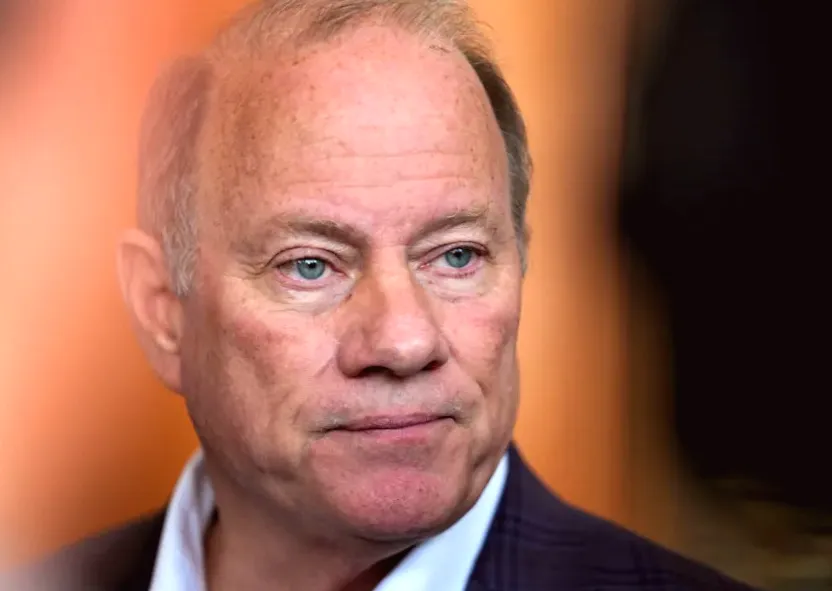
DETROIT As Mayor Mike Duggan launched his campaign for Michigan governor, he spoke from the towering Renaissance Center, a symbol of Detroits transformation. The city he inherited in January 2014 has changed dramatically. Once known for vacant homes, empty storefronts, high crime, and broken infrastructure, Detroit is now experiencing what many call a revival.
I wish he would stay, said Thomas Millender, a 40-year-old plumber, reflecting on Duggans upcoming departure after three terms. From his fathers porch, Millender observed crews renovating formerly abandoned houses. Duggan has taken the city from where it was to where it is now, he said.
Duggan emphasized the ongoing work: No neighborhood has escaped improvementsstreetlights, parks, blight reduction. Progress is underway, but future mayors will need to continue building on this foundation. Reviving the city fully will take decades.
Challenges When Duggan Took Office
Before becoming mayor, Duggan worked as a prosecutor and health center director. When he ran in 2013, Detroit faced severe financial strain, with billions in debt and shrinking city services. Employees worked reduced hours, pay cuts were common, and over a third of residents lived in poverty.
Then-Mayor Dave Bing, who took office after the Kwame Kilpatrick scandal, described the situation bluntly: Weve hit bottom. By 2013, a state-appointed emergency manager had declared bankruptcy, leaving Duggan to guide the city toward recovery.
Rebuilding After Bankruptcy
Detroit emerged from bankruptcy in December 2014, eliminating $7 billion in long-term debt. For years afterward, a state oversight team ensured the city maintained balanced budgets, a streak that continues today. Violent crime has declined, and thousands of formerly vacant properties have been demolished or rehabilitated.
Some neighborhoods have improved more than others, noted Wayne State University Urban Studies Professor Jeff Horner. Still, there are areas of deep poverty and neglect. Duggan also faced the challenge of population decline, with the city losing more than a million residents since the 1950s. Census estimates show modest growth to 645,705 in 2024.
Citywide Development and Future Leadership
While many celebrate reduced blight, residents like Jay Williams stress that vacant lots could be repurposed for new development, not just demolition. Rev. Solomon Kinloch, a local megachurch pastor, argued that investment should reach every neighborhood, not just downtown.
Incoming Mayor Mary Sheffield plans to build on Duggans successes, ensuring citywide progress. Rip Rapson, CEO of the Kresge Foundation, highlighted Duggans comprehensive approach to revitalization: attending to housing, public safety, local businesses, and education. He leaves a powerful and positive legacy, Rapson said.
Author: Lucas Grant
Share

NYC Mayor's Transportation Team Raises Concerns with Bold Anti-Car Proposals
4 hours ago 2 min read POLITICS

San Francisco Mayor's Key Allies, Business Executives, Present Test
12 hours ago 3 min read BUSINESS

DC mayor candidate reveals Democratic socialist platform
5 days ago 2 min read POLITICS