

Dire Consequences Await Afghan Refugees as Trump Cracks Down
- Last update: 1 days ago
- 4 min read
- 283 Views
- POLITICS
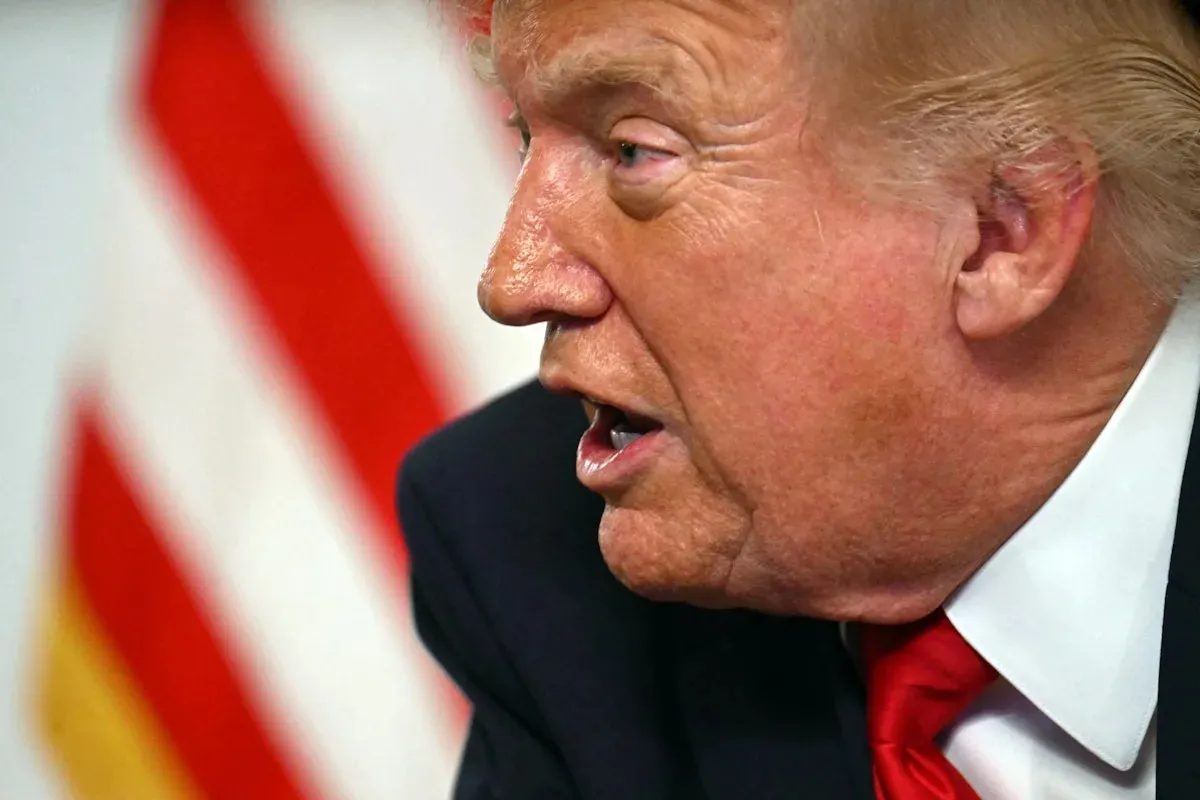
Following last weeks shooting of two National Guard personnel, the Trump administration has introduced stringent measures that make it harder for Afghan nationals to secure permanent residency in the United States. These actions have created widespread uncertainty and fear among refugees seeking entry, as well as those already residing legally in the country.
The gunman, Rahmanullah Lakanwal, a 29-year-old Afghan, arrived in the U.S. in 2021 through a Biden-era evacuation program designed to resettle Afghans after the U.S. military withdrawal. The attack resulted in one death and left another National Guard member critically injured. In response, President Trump intensified restrictions targeting Afghan immigrants, continuing a broader agenda to limit immigration.
Experts warn that restricting Afghan entry and residency could have devastating consequences, particularly for those fleeing persecution due to their collaboration with U.S. forces. Laurie Ball Cooper, VP of U.S. legal programs at the International Refugee Assistance Project, highlighted the strain on individuals trapped in an abruptly halted process, emphasizing that an entire nationality is being unfairly blamed for the actions of one person.
Since June, Afghans have faced a travel ban with limited exceptions for Special Immigrant Visa (SIV) applicants and immediate relatives of U.S. citizens. However, in the wake of the shooting, U.S. Citizenship and Immigration Services announced an indefinite suspension of all Afghan-related immigration processing. The State Department has similarly paused visa issuance, including SIVs, for Afghans who assisted U.S. forces. This halt affects both ongoing applicants and those whose approvals were already granted.
This comes shortly after Trump reduced the annual refugee admission cap and prioritized certain groups over others. Julia Gelatt of the Migration Policy Institute noted that Afghans without permanent resident status now face a "closed door" with no clear timeline for reopening.
Since the U.S. withdrawal in 2021, nearly 200,000 Afghans have been resettled, mostly under humanitarian parole, which does not provide a direct route to permanent residency. While asylum or SIV applications were possible, processing delays existed long before the current freeze.
Organizations assisting Afghan refugees are struggling to provide guidance amid the uncertainty. Kristyn Peck, CEO of Lutheran Social Services of the National Capital Area, described the challenge of educating the community without clear operational direction. Krish OMara Vignarajah, CEO of Global Refuge, noted that these restrictions follow months of policy rollbacks, including the suspension of the U.S. Refugee Admissions Program and revocation of Temporary Protected Status earlier this year.
Vignarajah emphasized the deep anxiety facing Afghan families, both for themselves and loved ones overseas, and highlighted the sense of betrayal felt by those who aided U.S. forces but are now barred from permanent residency. Many refugees face additional uncertainty as U.S. immigration agencies reevaluate visas and asylum cases from other restricted countries, and USCIS has paused all applications from affected nations.
Lakanwal, who had worked with a CIA-backed paramilitary unit, was extensively vetted before arrival and approved for asylum, yet his later mental health struggles contributed to the tragic incident. Experts stress that vetting cannot predict future mental health challenges, underscoring the need for supportive resettlement programs.
Without access to resources that aid employment, housing, and mental health, Afghans may face increased difficulty integrating into communities. Peck warned that current rhetoric and policies undermine efforts to foster belonging and stability.
Recent legislation further limits assistance for refugees, cutting SNAP eligibility and restricting Medicaid for certain legal immigrants, affecting a significant portion of Afghan residents, many of whom live in poverty and face language barriers.
Senator Amy Klobuchar has proposed legislation to provide Afghans who assisted the U.S. with a pathway to permanent residency, including enhanced vetting. She argued that the recent shooting highlights the urgency of implementing comprehensive checks across the entire refugee group.
Legal challenges to the administrations actions are anticipated, but advocates emphasize that public opposition will be crucial to prevent the blanket targeting of Afghan nationals. Ball Cooper stressed the need for communities to reject collective blame and support the rights of those who risked everything to aid the United States.
Author: Connor Blake
Share

Trump orders halt to immigration from 'developing countries'
2 days ago 3 min read POLITICS

Trump's Efforts to Control Afghan Refugees Will Not Enhance America's Security
2 days ago 3 min read BUSINESS

Trump intensifies immigration crackdown following shooting
3 days ago 3 min read POLITICS

Immigration Changes Update Following the D.C. Shooting
3 days ago 3 min read US
Insight into the vetting process of the National Guard shooting suspect
4 days ago 4 min read POLITICS
Officials instructed to halt all asylum decisions following National Guard shooting
4 days ago 3 min read POLITICS

Noem claims National Guard shooting suspect was 'radicalized' within the U.S.
5 days ago 3 min read POLITICS
Who is the suspect Rahmanullah Lakanwal, shot by the National Guard?
5 days ago 3 min read WORLD
Homeland secretary says National Guard shooting suspect became radicalized in the US
5 days ago 3 min read US

Kelly accuses Trump administration of 'harassing' Afghan refugees following National Guard shooting
5 days ago 2 min read POLITICS