

Liberal towns reverse decision on license plate trackers due to privacy concerns — and Trump
- Last update: 4 days ago
- 4 min read
- 17 Views
- POLITICS
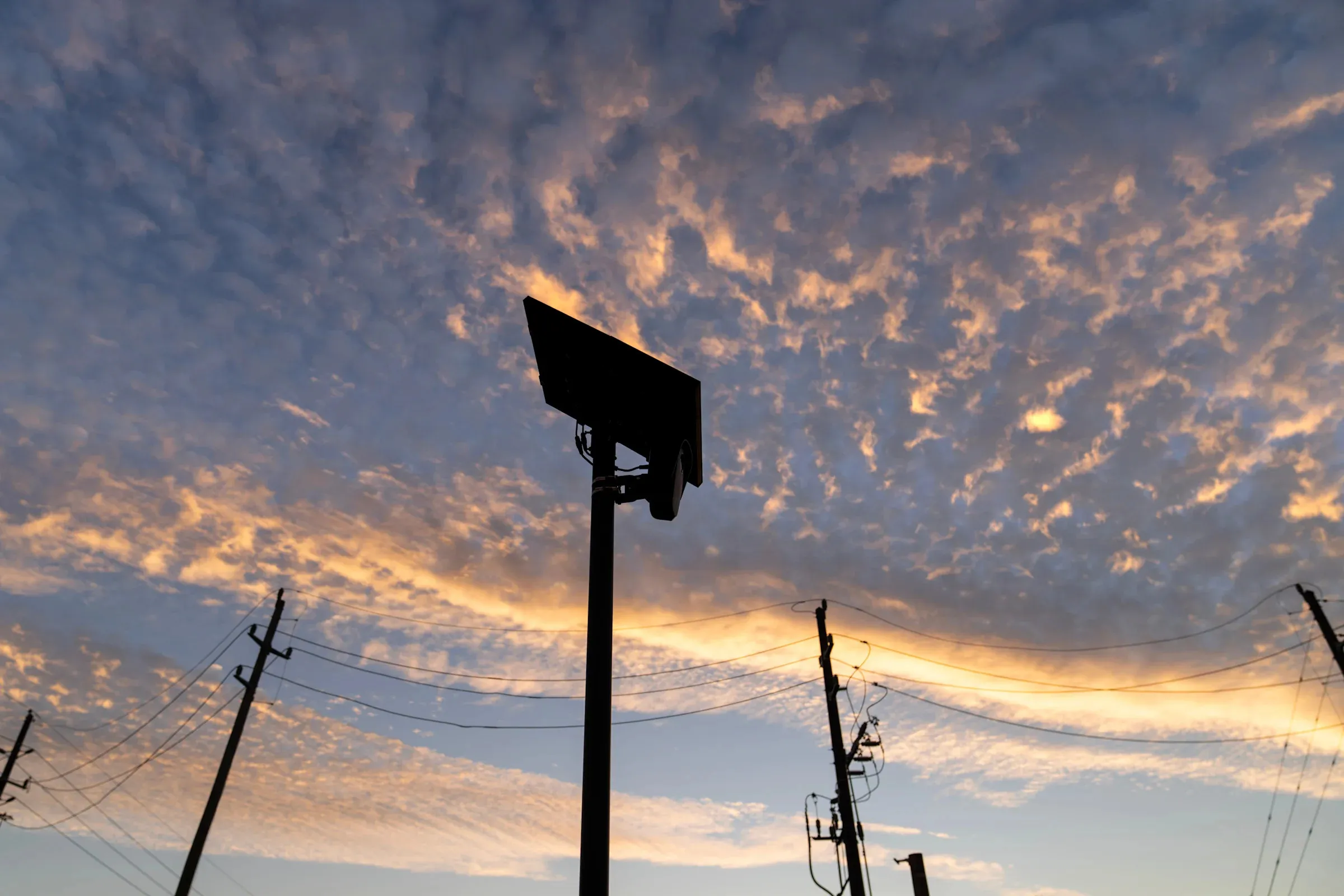
A nationwide license plate tracking network originally promoted as a tool to reduce crime is being removed from communities across the United States, as local leaders confront growing anxieties about potential federal surveillance during President Donald Trumps second term.
Flock Safety, a public safety technology company, has long marketed its automated license plate readers as a way to help police identify crime on neighborhood streets. The companys cameras have been installed in more than 6,000 municipalities. But as Trumps expanded deportation operations have intensified the presence of federal agents nationwide, many officials in predominantly progressive cities now argue that the cameras themselves create a greater threat giving federal law enforcement a pathway to monitor residents movements.
Cambridge, Massachusetts, City Council member and vice mayor Marc McGovern said concerns surged after realizing how easily federal agencies could access the data. The council voted last month to halt its Flock program as privacy worries mounted. Im not the one theyre targeting, McGovern said, noting the danger he believes the system poses to immigrants and communities of color.
Flock is one of several companies providing automated readers to local agencies, and its cameras have become widely used even near Trumps Mar-a-Lago Club. A 2024 congressional report described such tracking tools as commonplace in policing. But Flocks nationwide sharing model has elevated scrutiny: the system allows law enforcement agencies, including federal authorities, to access footage across state lines for up to 30 days.
Over the past year, more than a dozen cities across states like Washington, Oregon, Arizona and Texas have suspended or reconsidered their Flock programs. Many cited concerns about data flowing to federal agencies, particularly after the company briefly participated in a now-terminated pilot program with the Department of Homeland Security during the summer.
McGovern said Cambridge originally approved the system in February based on assurances that the city would retain full control over the data. But officials reversed course when the Trump administrations intensified immigration enforcement deepened public fears. If we are serious about being a welcoming city, we need to listen to people who feel threatened, he said.
Josh Thomas, Flocks chief communications officer, argued that only a small number of cities fewer than 20 have canceled or paused their programs. He said the company has introduced new compliance features, such as requiring officers to justify data requests and blocking searches that violate local rules.
Thomas said the company regrets not communicating more clearly with customers about its initial DHS pilot and insists Flock does not share data without local approval. He suggested some municipalities may have opted in without realizing or may have unknowingly allowed immigration-related inquiries, prompting the company to improve how it educates clients.
In Evanston, Illinois where ICE detainments have strained relations within the community Mayor Daniel Biss said the readers are not trustworthy. The city covered its Flock cameras with black bags this fall after claiming the company reinstalled them without consent, a move Biss described as emblematic of the citys distrust of both Flock and ICE.
Evanston had used the cameras for more than a year but moved to end its contract after a state audit reported that federal immigration authorities had accessed footage elsewhere in Illinois. According to Biss, the cameras reappeared shortly after the termination order, prompting further outrage. Thomas said Evanston had opted into federal data sharing without fully recognizing it and that Flock initially reinstalled the cameras due to what it saw as a contract violation before ultimately removing them.
In Eugene, Oregon, City Council member Jennifer Yeh said local residents raised alarm as Flock devices appeared in neighborhoods. Officials later confirmed that a federal agency had accessed the data twice once by the U.S. Postal Inspection Service for a mail fraud investigation and once by the Bureau of Alcohol, Tobacco, Firearms and Explosives for a narcotics case. The city is now reassessing its Flock program.
Yeh said the community is worried that Flock is creating a vast, profit-driven surveillance network with capabilities far beyond license plate reading. They keep expanding what these systems can do, she said. People have every reason to be concerned.
Author: Sophia Brooks
Share

Has Pete Hegseth truly been cleared by the Pentagon of Signal leaks?
4 minutes ago 5 min read POLITICS

FBI reportedly detains suspect in Jan. 6 pipe bomb investigation
6 minutes ago 2 min read POLITICS

Media reports suspect arrested in pipe bomb case in US capital
6 minutes ago 1 min read POLITICS

Explaining the Supreme Court case that may redefine the meaning of "cruel and unusual"
8 minutes ago 5 min read POLITICS

Admiral briefing lawmakers on ordering boat strike that killed survivors
16 minutes ago 2 min read POLITICS

ICE Agents Pepper-Spray Rep. Grijalva During Restaurant Raid
20 minutes ago 2 min read POLITICS

Cardi B Wins Appeal Against Security Guard's Request for New Trial Following Pen-Tossing Incident
24 minutes ago 2 min read POLITICS

CNN Captures Laughter on Hot Mic as Trump Receives Inaugural FIFA Award
25 minutes ago 2 min read POLITICS

Lloyd Doggett will not run for reelection due to Supreme Court's ruling on Texas redistricting
30 minutes ago 2 min read POLITICS

Trump targets Europe in new security strategy
31 minutes ago 2 min read POLITICS