

NYC Mayor's Transportation Team Raises Concerns with Bold Anti-Car Proposals
- Last update: 6 hours ago
- 2 min read
- 338 Views
- POLITICS
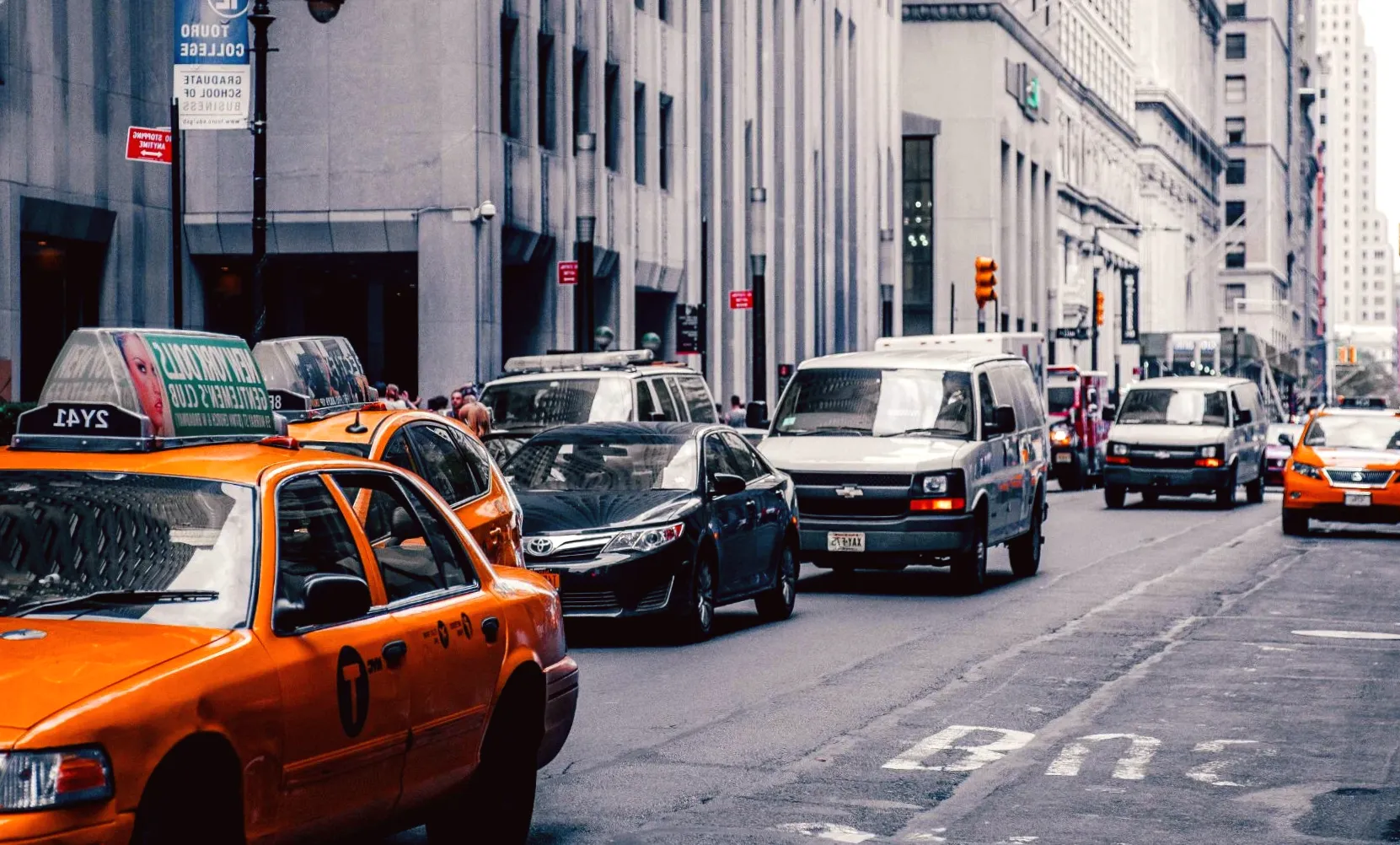
Newly elected Mayor Zohran Mamdani is shaking up city planning with his latest transition strategy, particularly after appointing Ben Furnas, a prominent figure from Transportation Alternatives, to lead his transportation, climate, and infrastructure team. The decision has sparked immediate controversy.
Critics are voicing concern, viewing this appointment as a sign of upcoming policies aimed at significantly reducing car usage, a move many local drivers consider extreme. Transportation Alternatives has released an extensive proposal featuring over 80 initiatives for the incoming administration. Among the most striking: turning certain streets into dead ends by placing playgrounds directly in the roadways. While advocates say this addresses the city's "playground desert," opponents worry about the resulting traffic disruptions.
Another major initiative is the expansion of school streets, closing roads near all public schools. Currently, only a few such zones exist, but the plan envisions around 3,000 closures, prompting fears of severe neighborhood congestion during peak hours.
The proposal also calls for a surge in dedicated bus lanes across high-traffic corridors, reminiscent of previous contentious projects on 14th Street and the debated 34th Street lanes. While some argue the real bottleneck is a lack of buses, the plan prioritizes limiting cars to speed up public transit.
Other suggested changes include reducing subway station parking to make room for wider sidewalks, bus shelters, bike lanes, and even small urban green spaces. While appealing in theory, critics warn this could disproportionately affect seniors, families, and people with mobility challenges who rely on cars.
Additionally, pandemic-era outdoor dining structures are being considered for permanent, year-round use. Supporters see them as essential for small businesses, while detractors raise concerns about sanitation and crowding.
Furnas leadership is already drawing skepticism, with fears that the Department of Transportation will lean heavily toward pedestrian and bicycle-friendly policies, potentially sidelining drivers. He will be joined by other transit activists from organizations like Open Plans and Riders Alliance in shaping the new administrations agenda.
So far, Mamdanis office has not commented on how many of these proposals will become reality, leaving New Yorkers uncertain about what the future holds for the citys streets.
Author: Jackson Miller
Share

Lawrence O’Donnell Criticizes Trump for Latest Failed Distraction
3 minutes ago 2 min read POLITICS

Treasury investigating possible funding of terrorist organization with Minnesota tax money
6 minutes ago 2 min read POLITICS

RFK Jr. vaccine advisors to assess if vaccinations are triggering allergic reactions, according to Washington Post
12 minutes ago 1 min read POLITICS

Trump brags about Kennedy Center hosting gig, takes swipe at Jimmy Kimmel: 'I'm sure they'll praise me'
15 minutes ago 2 min read POLITICS

Ohio Senator Bernie Moreno proposes to prohibit holding dual citizenship.
20 minutes ago 2 min read POLITICS

Live stream: House Republicans speak out during Hegseth controversy
24 minutes ago 1 min read POLITICS

Democrat Mandela Barnes announces candidacy for Wisconsin governor
24 minutes ago 2 min read POLITICS

Hegseth boat collision aftermath, accusations of war crimes: What you need to know
29 minutes ago 3 min read POLITICS
Trump praises Kennedy Center upgrades while presenting medals to honorees
32 minutes ago 2 min read POLITICS

Admiral informed legislators that all individuals on suspected drug boat were on a military target list
35 minutes ago 4 min read POLITICS