

The Full Story of the R-Word, the Preferred Insult of the MAGA Movement
- Last update: 5 hours ago
- 3 min read
- 553 Views
- POLITICS
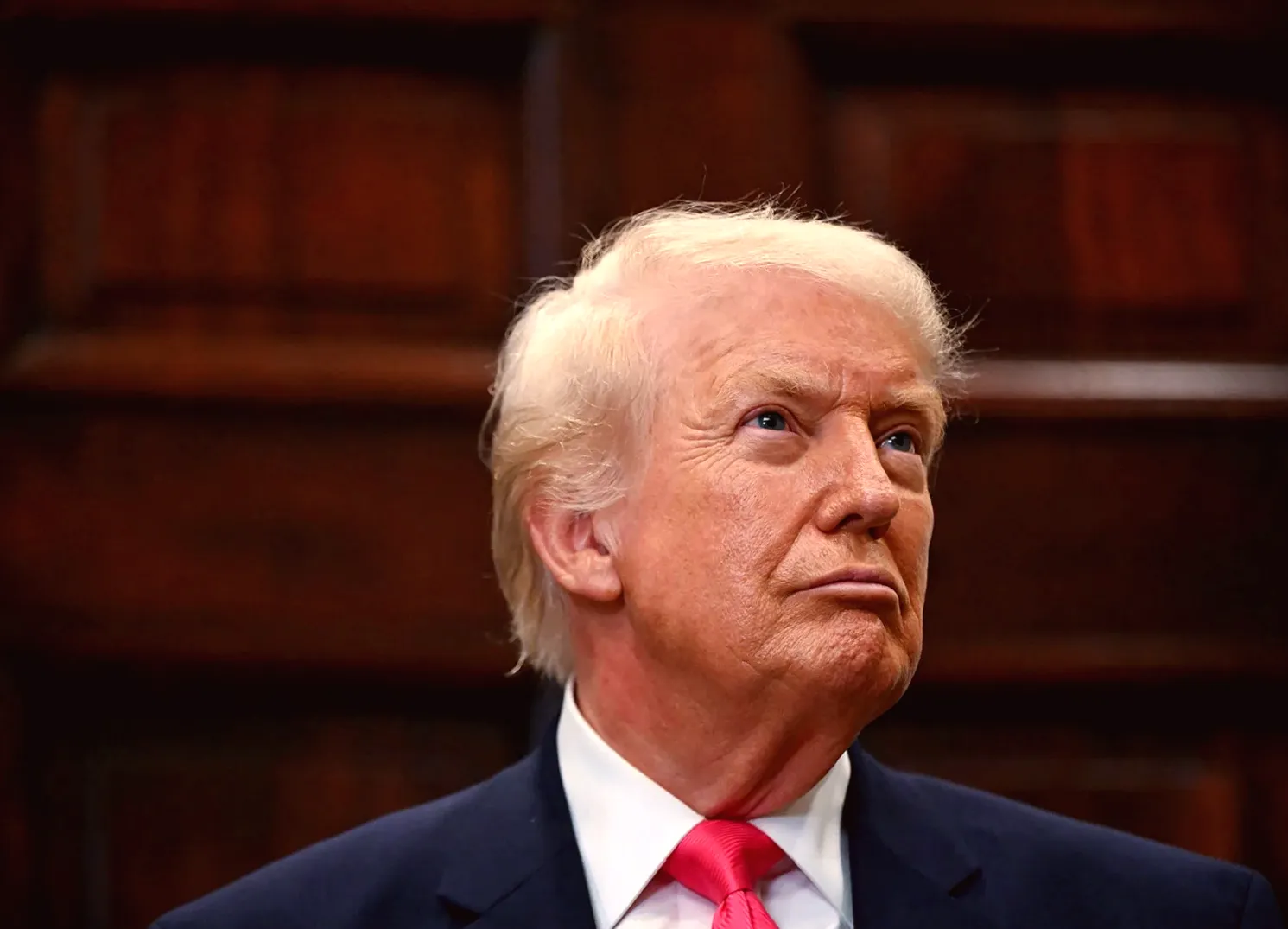
Historically, it would have been shocking for a U.S. president to use a term derogatory toward people with intellectual disabilities in reference to a political opponent. Even some Republicans, like Indiana State Senator Mike Bohacek, criticized Trump for his language, citing its harmful effects and emphasizing advocacy for individuals with intellectual disabilities. Despite backlash, Trump repeated the remark days later.
The epithet did not emerge in isolation. Throughout the 2024 election and early in his second term, MAGA influencers increasingly employed the term online to mock liberal opponents, contributing to the normalization of a slur previously removed from mainstream discourse. This trend reflects a broader coarsening of public rhetoric and has alarmed disability advocates regarding its dehumanizing impact. High-profile figures like Elon Musk and Joe Rogan have openly used or praised the term, framing it as a cultural victory for right-wing commentators.
Origins and Early Usage
The word retard originates from the Latin verb retardere, meaning to slow or to delay. Its related formsretarded and retardantappeared in English as early as the 15th century, initially in neutral, descriptive contexts such as flame retardant. By the 19th century, medical professionals applied similar terms, including idiot and imbecile, to classify intellectual disabilities, often using them to determine institutionalization or sterilization eligibility. In 1910, eugenicist Henry H. Goddard introduced the term moron as a clinical replacement for feeble-minded.
By the late 19th and early 20th centuries, retarded was adopted into medical literature, gradually replacing older, stigmatizing terminology. Advocacy organizations, like the National Association for Retarded Children and the American Association on Mental Retardation, eventually updated their names to reflect more respectful language. Despite this, the term remained part of clinical discourse into the late 20th century.
Transition to Pejorative Use
As McWhorter and other linguists note, replacement terms often enter a euphemism treadmill, where neutral language eventually becomes stigmatized. Retarded became a popular insult during the mid-20th century, even as disability activists campaigned to retire it. The linguistic process, known as pejoration, has affected other words like idiot, feeble-minded, and negro, reflecting shifts in social values and ideologies.
Advocacy and Legal Change
In 2009, Special Olympics youth activists launched the Spread the Word to End the Word campaign, encouraging students nationwide to avoid derogatory usage. The initiative grew into a movement promoting inclusion for individuals with intellectual and developmental disabilities. Following the campaign, legislation like Rosas Law, signed in 2010, replaced mental retardation in federal documents with intellectual disability, a change inspired by advocacy from families, including Rosa Marcellinos family in Maryland.
Despite these efforts, some public figures continued using the slur. Ann Coulter called President Obama a retard in 2012, defending her use as a synonym for loser, illustrating how the term persisted as a political insult.
Modern Resurgence in Politics
Trumps 2016 campaign featured instances of offensive mimicry and personal attacks. By 2024, the term saw renewed use within MAGA circles, amplified by Musks acquisition of X (formerly Twitter), which removed moderation policies and allowed extremist content to proliferate. Musk and other users actively employed the word online, with studies recording spikes of over 200 percent in posts containing the slur after high-profile incidents.
Researchers have noted that this resurgence coincides with messaging from MAGA figures criticizing social compassion, portraying its use as reclaiming authority over public speech while disregarding harm to the disability community. Analysts suggest that slurs serve as both a means of asserting power and diverting attention from broader societal issues, from economic inequality to unaddressed scandals.
Despite ideological motivations, the use of the term today underscores ongoing societal tensions, as some seek to reinforce hierarchy and provoke outrage, particularly against marginalized groups.
Author: Sophia Brooks
Share

The Full Story of the R-Word, the Preferred Insult of the MAGA Movement
5 hours ago 4 min read POLITICS

Trump's derogatory comments about Somalians denounced as racism by Minnesota officials
12 hours ago 2 min read POLITICS

Trump Defends Describing Tim Walz With Controversial Term
3 days ago 2 min read POLITICS
Trump's derogatory remarks towards Tim Walz were met with approval from many on the right.
3 days ago 3 min read POLITICS

Tim Walz Urges Trump to Release Medical Tests as Signs of Health Decline emerge
4 days ago 2 min read POLITICS

Tim Walz responds to Trump's accusation of 'incompetence,' avoids blame for fraud in Minnesota
4 days ago 3 min read POLITICS
Trump faces backlash after using offensive language against Tim Walz
4 days ago 2 min read POLITICS
Trump continues to criticize Tim Walz's mental health, stating: ‘There’s something wrong with him’
4 days ago 2 min read POLITICS

Donald Trump's Nephew Questions the Direction of the Country After Uncle Uses Offensive Term
5 days ago 2 min read POLITICS

Former federal prosecutor condemns Trump for using derogatory language against Walz: 'Completely unjustifiable'
5 days ago 2 min read POLITICS