
Trump administration blocks visas for factcheckers and content moderators
- Last update: 1 hours ago
- 3 min read
- 360 Views
- POLITICS
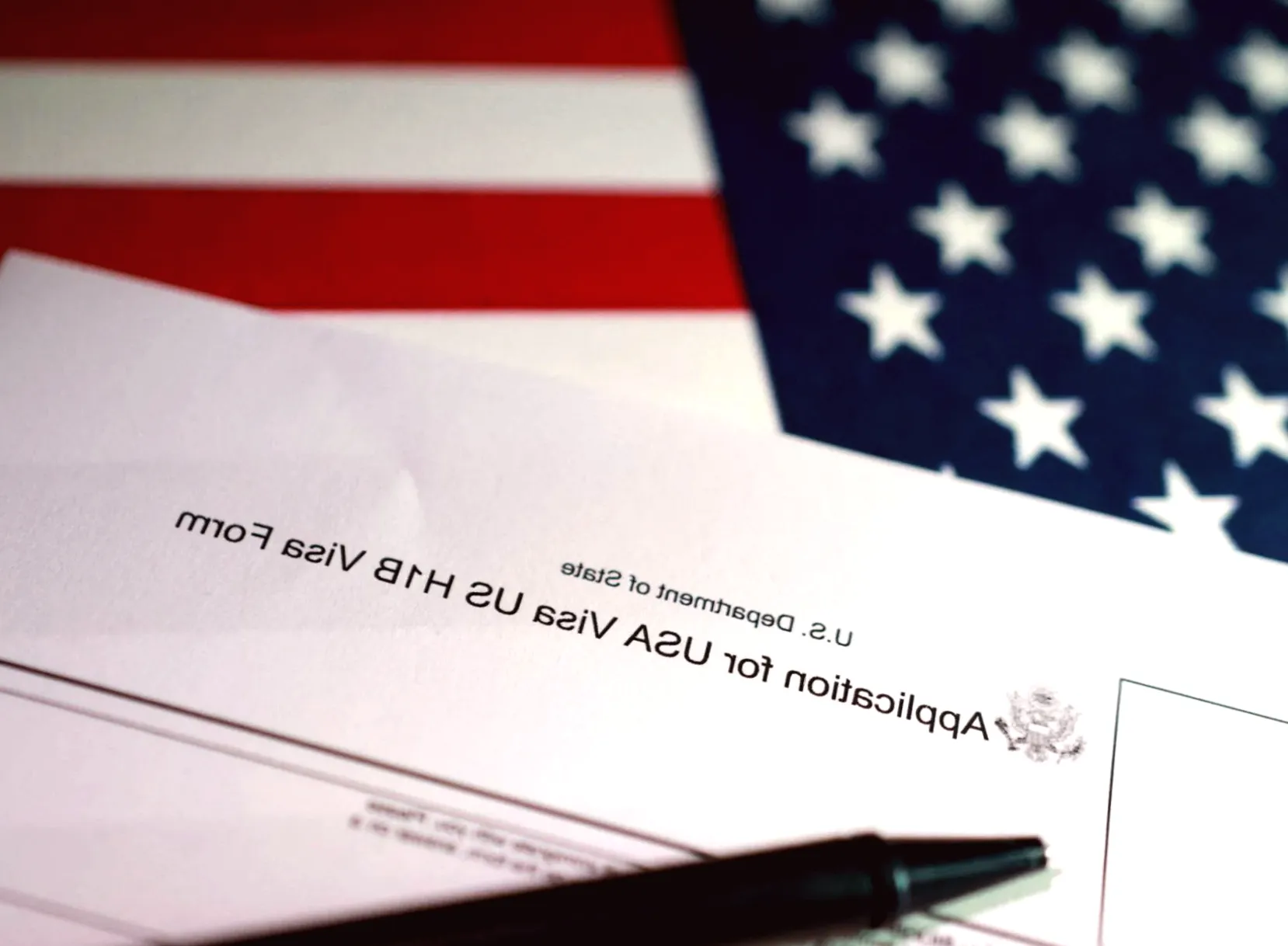
The Trump administration has announced measures to restrict visas for individuals it believes have participated in limiting free speech in the United States. A State Department memo circulated to U.S. embassies and consulates this week, first reported by Reuters and later by NPR, instructs consular officers to deny visas to applicants responsible for, or complicit in, censorship or attempted censorship of protected expression in the U.S.
The directive calls for heightened scrutiny of visa applicants backgrounds to determine if they have been involved in roles such as fact-checking, content moderation, misinformation management, online safety, or compliance, among other activities, Reuters reported. Initially, the policy will focus on H-1B visa applicantstypically skilled foreign professionals in technology sectorsbut it applies broadly to all visa categories.
This step represents a continuation of Trump-era policies aimed at tightening legal immigration through U.S. consulates. Secretary of State Marco Rubio had previously promised to block entry for anyone perceived as suppressing free speech, which he described as essential to the American way of life. Rubio stated that foreigners undermining Americans rights should not have the privilege of entering the country.
According to NPR, consular officials are now instructed to reject visa applications from anyone engaged in fact-checking, content moderation, or other activities the administration labels as censorship. Officers are expected to investigate applicants professional history, including social media profiles and mentions in media reports related to combating misinformation or moderating online content. If evidence indicates participation in censorship, the applicant should be deemed ineligible for a visa.
Despite support from several tech industry leaders, Trump has criticized technology companies for suspending his accounts on platforms such as Twitter and Facebook after the January 6, 2021 events at the U.S. Capitol. Many H-1B applicants, particularly from India, work in technology, and Trumps September introduction of a $100,000 fee for new applicants has raised concerns about economic impacts and potential loss of skilled workers to other countries.
Experts have warned that the visa restrictions could have unintended consequences. Alice Goguen Hunsberger, vice president of trust and safety at PartnerHero, told NPR that labeling trust and safety work as censorship is concerning, noting that these roles help prevent fraud, protect children, and ensure online security.
In response, a State Department spokesperson emphasized that the administration defends Americans free expression against foreign attempts at censorship. We do not support aliens coming to the U.S. to work as censors muzzling Americans, the spokesperson said. Allowing foreigners to lead this type of censorship would insult and harm the American people.
Author: Ethan Caldwell
Share
Trump Approves Denying Visas to Fact-Checkers
5 hours ago 2 min read POLITICS

State Department announces US will now review H-1B applicants' social media and require public profiles
6 hours ago 2 min read POLITICS
Trump reduces the length of work permits for asylum-seekers
10 hours ago 2 min read POLITICS

U.S. cancels visas for executives of Mexico-based transport companies due to migration
1 days ago 2 min read BUSINESS

California introduces a portal for the public to report suspected ICE misconduct
1 days ago 2 min read BUSINESS

Trump administration mandates increased screening for H-1B visa applicants
1 days ago 2 min read POLITICS
Which 19 countries, originally on travel ban list, are now on immigration pause?
1 days ago 2 min read POLITICS
US suspends all green card applications from 19 'countries of concern'
2 days ago 2 min read US
The Latest: Immigration applications from 19 countries paused by Trump administration
2 days ago 2 min read POLITICS
Trump suspends immigration applications from 19 countries following DC National Guard shooting
2 days ago 2 min read POLITICS