

Investigation into sweatshops shakes Italy's luxury brands
- Last update: 2 days ago
- 3 min read
- 753 Views
- STYLE
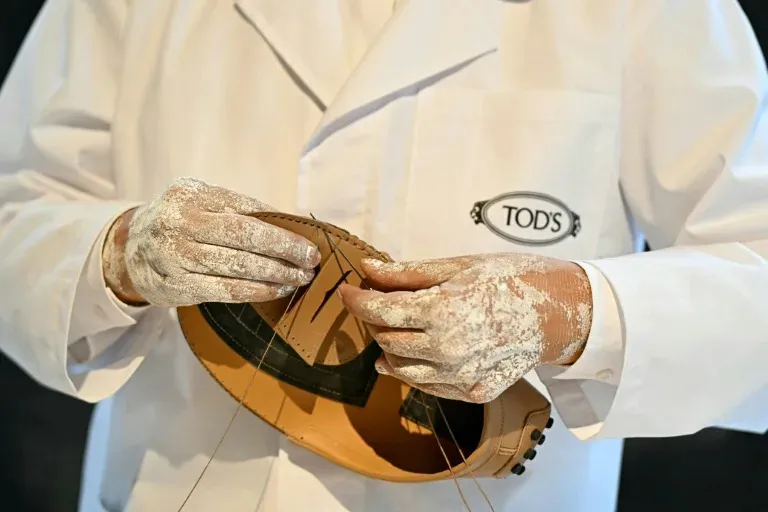
Investigations into harsh working conditions at fashion subcontractors have shaken Italys luxury sector, prompting government officials to defend the reputation of Made in Italy. Since 2024, five major fashion brands have been placed under court administration after Milan prosecutors revealed labor abuses and insufficient supply chain oversight among some of the countrys top brands.
Most recently, lawyers for luxury leather brand Tods appeared in a Milan court, where prosecutors sought a temporary advertising ban and the appointment of external administrators, citing what they described as the companys malicious practices. The probe, led by prosecutor Paolo Storari, has exposed systemic issues in subcontracting, where primary suppliers often delegate work further, under tight margins and minimal supervision of labor conditions.
The investigations so far have focused on Loro Piana, Diors Italian subsidiary Manufactures Dior, Giorgio Armani Operations, and Alviero Martini, with authorities hinting that additional inquiries may follow. In response, Italys Industry Minister Adolfo Urso criticized the attacks on Italian brands and proposed a voluntary certification system for luxury companies to demonstrate legal compliancethough critics argue it may offer brands excessive protection from accountability.
Prosecutors stated last month that Tods and three executives were fully aware of the exploitation of Chinese subcontractors yet failed to implement measures to prevent it. Allegations include ignoring internal audits that highlighted excessive working hours, wage violations (with workers earning as little as 2.75 per hour), safety breaches, and inadequate sleeping conditions within factories.
Italian law allows companies to be held liable for offenses committed by representatives, including approved suppliers. Labor advocates have long highlighted abuses throughout fashion supply chains. Deborah Lucchetti, national coordinator of the Clean Clothes Campaign in Italy, explained that suppliers are often pressured by major brands to accept unprofitable terms, leading them to subcontract work under exploitative conditions. Its a chain of exploitation, she said, often affecting migrant workers the most.
Italys fashion suppliers are predominantly small- and medium-sized businesses, many of which have closed due to rising costs and reduced luxury demand. These companies frequently subcontract when handling large orders, creating conditions that prosecutors say can drive illegal practices.
Authorities claim that Tods and Loro Piana should have known that a major supplier was outsourcing all production, as the supplier lacked necessary equipment like sewing machines. Companies under investigation have responded by severing ties with problematic suppliers, condemning misconduct, or blaming suppliers for hiding violations.
Amid reputational concerns, some luxury brands are taking steps to reassure the public. Prada recently invited journalists to its Scandicci factory near Florence, demonstrating the meticulous process of turning leather into luxury handbags. Pradas Chief Marketing Officer, Lorenzo Bertelli, emphasized that production has always been a priority for the brand and that maintaining a clean supply chain requires constant inspections.
Prada, which owns 25 factories23 in Italyclaims the highest in-house production levels in the industry. Bertelli described monitoring suppliers as an ongoing challenge: We must constantly carry out inspections or checks on suppliers; this is the daily work we do.
Author: Sophia Brooks
Share

9 Celebrity Vintage Fashion Moments Worth Saving for Later
18 minutes ago 1 min read STYLE

Zoe Saldana's Leather Jacket Features Distinctive Neckline
19 minutes ago 2 min read STYLE

Zoe Saldana's Unique and Stylish Funnel Neck Jacket Outfit
21 minutes ago 2 min read STYLE

Not interested in ewes: 'gay sheep' avoid slaughter and dominate a New York catwalk
24 minutes ago 3 min read STYLE

Ana de Armas' Stunning Backless Dress Style Will Make You Look Twice
24 minutes ago 1 min read STYLE
Pippa Middleton's $53,000 Wedding Dress and Its Subtle Connection to Sister Kate's Gown
49 minutes ago 3 min read STYLE

Luxury Italian fashion houses raided by police in sweatshop investigation
51 minutes ago 3 min read STYLE

Ana de Armas Dressed in Louis Vuitton at the 2025 Red Sea International Film Festival
1 hours ago 1 min read STYLE

Kristen Stewart Abandons Her Iconic Look, Rocks Sheer Long Underwear on the Red Carpet
1 hours ago 2 min read STYLE

The top five exhibitions of 2025 (and the worst)
2 hours ago 3 min read STYLE