Miss France Faces Backlash for Using Innuendo
- Last update: 2 hours ago
- 3 min read
- 757 Views
- STYLE
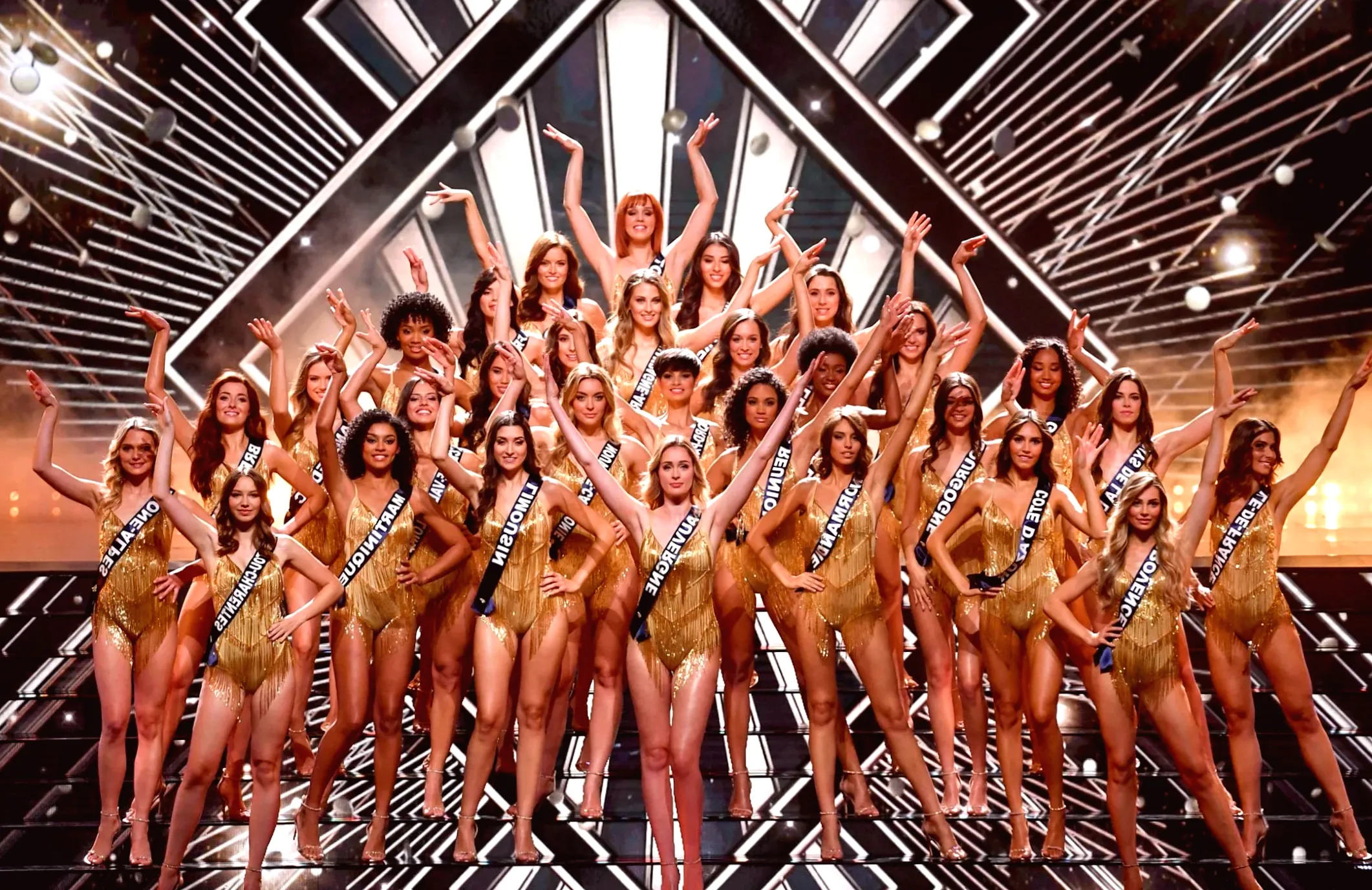
The Miss France pageant has sparked controversy after banning several long-standing phrases considered sexist or overly suggestive. The language adjustments are part of broader reforms as the show, which still draws millions of viewers, navigates internal disputes and past scandals.
For the upcoming edition in Amiens, producers have blacklisted expressions such as la temprature va monter (the temperature is about to rise), traditionally used before the swimsuit segment. Other phrases like pleine de charme (full of charm) and references to le charme la franaise have also been removed.
Frdric Gilbert, head of the Miss France Society, emphasized: We no longer rely on innuendo. Humor is left to comedians. He added that contestants should now be described by elegance and confidence, not forced sensuality, highlighting that todays participants are often educated adults.
Other changes include allowing contestants to select their own swimsuits, limiting backstage access, and banning individual photos to prevent online misuse.
The reforms have provoked strong reactions. TV presenter Cyril Hanouna criticized the changes on-air, claiming the pageant had lost its appeal. He called for the contest to be scrapped, suggesting it no longer engages audiences. Some radio listeners also interpreted the reforms as an overreach of political correctness.
Veteran host Jean-Pierre Foucault, presenting the ceremony for the 31st time, defended the updates, noting that the show has evolved significantly since its early days. Reigning Miss France will now be continuously chaperoned following complaints from Miss France 2024, who reported inappropriate touching by male spectators.
The reforms follow revelations in the book Miss France: From Dream to Reality by former pageant official Hubert Gurin, which alleges that several past winners faced sexual assault during or shortly after their reigns. While the Miss France organization acknowledged the allegations, it emphasized that verification is required and pledged support for any proven victims.
Reactions from former winners were mixed. Camille Cerf, Miss France 2015, criticized inaccuracies in the book, while Valrie Claisse, Miss France 1994, welcomed the exposure, noting improved protections for current contestants. Last years winner also described a difficult tenure and contemplated resigning her crown.
Miss France 2025, Anglique Angarni-Filopon, experienced limited media exposure due to online harassment and threats. She recounted facing racist and body-shaming attacks, describing the experience as emotionally taxing, though she expressed relief upon leaving her role.
Technology has also entered the competition, with predictive AI models identifying Lola Lacher, Miss Nord-Pas-de-Calais, as a frontrunner for the 2026 title, followed by Miss Guadeloupe and Miss Tahiti. The AI correctly predicted last years top three but did not foresee Miss Angarni-Filopons victory.
This years 30 regional contestants will undergo a two-stage elimination process. A pre-selection jury will choose 12 semi-finalists, down from 15 in previous years, whose names will be revealed during the live broadcast. A combined public-jury vote will then determine the five finalists and the eventual winner.
Author: Aiden Foster