

Cal Poly students research ancient bacteria preserved in amber. Feeling like Jurassic Park
- Last update: 5 hours ago
- 2 min read
- 341 Views
- US
At California Polytechnic State University, scientists are delving into ancient microorganisms trapped in amber, evoking a real-life Jurassic Park atmosphere. Led by biochemistry Professor Katharine Watts and postdoctoral researcher Rachel Johnson, the team studies microbes that have survived for tens of millions of years, using rare specimens contributed by Professor Emeritus Raul Cano.
Cano had previously collaborated with the scientist whose work inspired Michael Crichtons famous novel. The collection includes bacteria preserved in fossilized tree resin and some obtained from deep-sea core samples. The teams goal is to investigate these microbes for antibiotic activity and analyze their resistance patterns.
Student researchers Safiya Rufino and Kaitlyn Calligan are central to the project. Rufino, a food science and microbiology major, expressed the awe of working with microbes from a prehistoric era, noting the surreal experience of studying organisms that existed millions of years ago. Calligan focuses on understanding the evolution and ecological roles of the bacteria and their protein products.
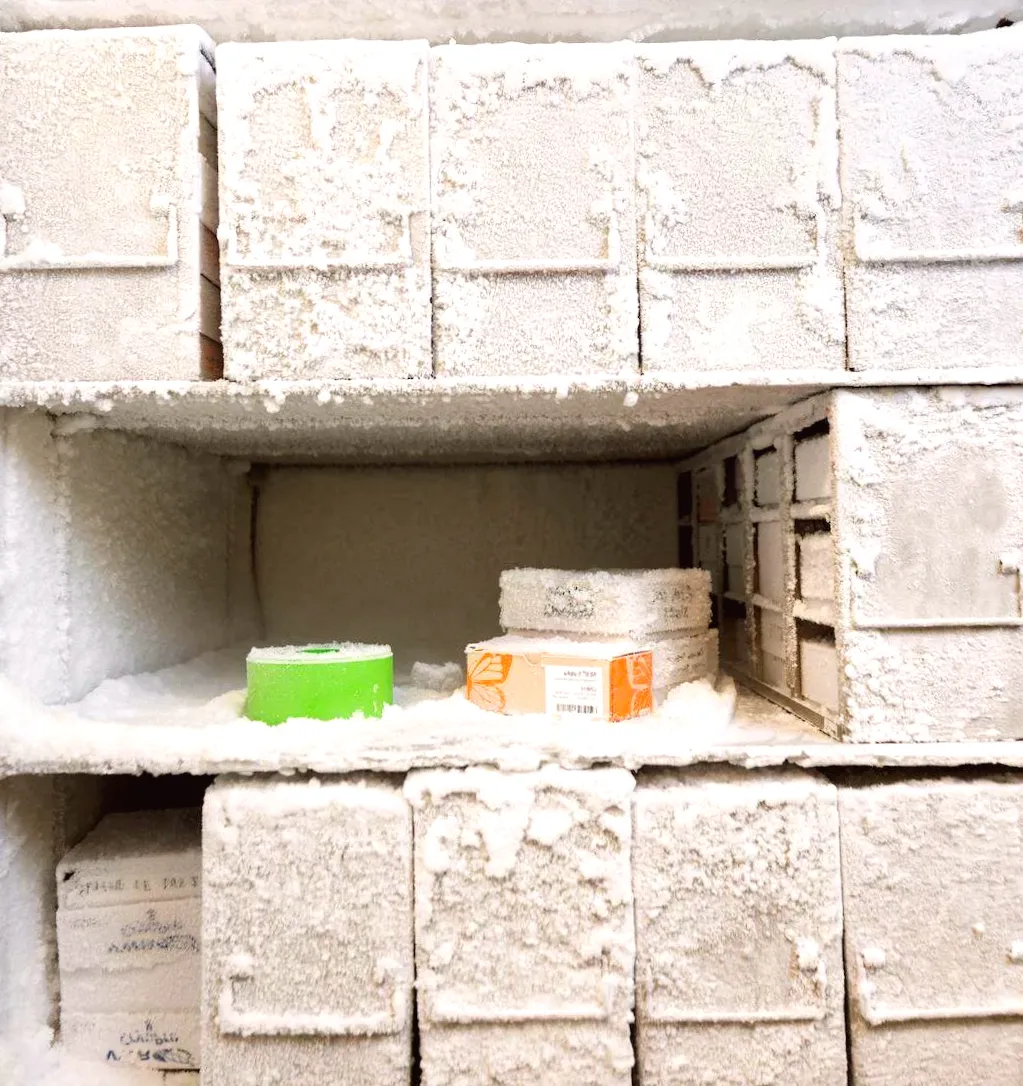
The specimens, ranging from 20,000 to 40 million years old, are stored at -80C in Cal Polys laboratory facilities. Researchers examine the microbes small molecules, which may contain new antibiotic compounds. Johnson explained that analyzing microbial DNA can reveal the genetic instructions behind the production of these molecules, providing insights into their natural functions.
Rufino investigates the secondary metabolites produced by these ancient bacteria, aiming to identify natural compounds capable of inhibiting modern pathogens. The research contributes to understanding how antibiotic resistance develops and could ultimately inform the design of future medications.
Although the work gives off a Jurassic Park vibe, the experiments remain at a low biosafety level, focused on protein analysis rather than cloning. Both Rufino and Calligan are BEACoN scholars, a Cal Poly program supporting underrepresented students through research and mentorship. Their involvement highlights the importance of diversity in scientific discovery and access to cutting-edge research opportunities.
The team continues its exploratory work, hoping to uncover new insights into ancient bacteria and their potential to address modern antibiotic challenges.
Author: Harper Simmons
Share

Council looks for contractor to remove flags following staff abuse.
17 minutes ago 2 min read US

8-Year-Old Girl Identified as Victim in California Birthday Party Mass Shooting Just 2 Weeks Before Turning 9
30 minutes ago 2 min read US

Medical professionals caution about the surge in 'Holiday Heart Syndrome' and other heart-related problems this month. Here's the reason.
30 minutes ago 3 min read US
Luigi Mangione's testimony captured in audio and images
30 minutes ago 2 min read US

Video: Oklahoma dog has the longest tongue in the world at 7 inches
48 minutes ago 1 min read US

Signs You Might Need a Folate Supplement, According to Dietitians
54 minutes ago 3 min read US

Transformation of Historic Community Centre into SEND School
55 minutes ago 2 min read US

Thomas Perez Jr. Wrongly Admitted to Killing His Father After a 17 Hour Interrogation — but His Dad Was Actually Alive the Entire Time. Inside the Troubling Incident
57 minutes ago 3 min read US

December's Full Cold Supermoon Peaks Soon—Here's How and When to See It How and When to Catch a Glimpse of December's Full Cold Supermoon
1 hours ago 2 min read US

Here's the Reason Behind the Proposed Law Requiring Speed Limiters in Cars
1 hours ago 2 min read US