Florida Resumes Black Bear Hunt Amid Opposition to Reduce Bear Deaths
- Last update: 1 hours ago
- 2 min read
- 583 Views
- US
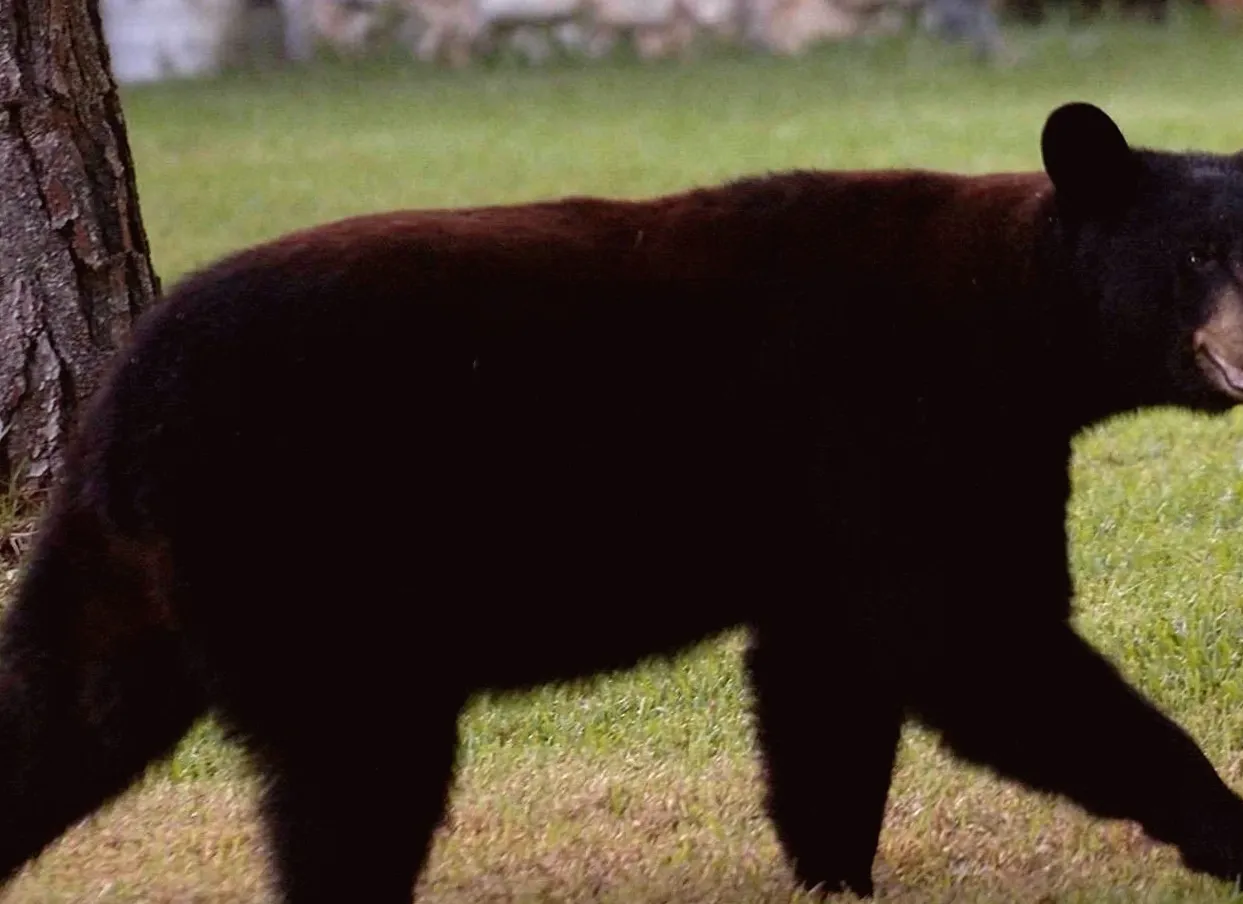
Florida has reopened a state-authorized black bear hunting season for the first time in ten years, sparking opposition from local conservation organizations. The season is set to run from Saturday, December 6 through Friday, December 26, according to the Florida Fish and Wildlife Conservation Commission (FWC).
The FWC emphasizes that controlled bear hunting is a tool for population management. While the state currently has adequate bear habitat, officials warn that unchecked growth in the four largest subpopulations could eventually strain resources. The agency hopes early intervention will allow for monitoring and adaptive population management.
This season, 172 hunting permits were issued out of more than 160,000 applications, with hunters allowed to take only one bear per permit.
Conservation groups have voiced strong opposition, arguing that the hunt is unnecessary at this time. Some groups have proposed unconventional strategies to limit bear killings. For example, the Florida Chapter of the Sierra Club suggested in a social media post that those against the hunt apply for a permit themselves to reduce the chances of active hunters obtaining one.
Bear Warriors United, a local bear conservation organization, is offering $2,000 to anyone with a hunting permit to refrain from participating. According to the group, approximately 36 hunters have expressed interest in the offer so far.
Floridas previous state-sanctioned bear hunt occurred in 2015 but was deemed problematic. At that time, permits were sold broadly, resulting in over 3,700 permits issued and more than 300 bears killed, including at least 38 mothers with cubs. Concerns over orphaned cubs led officials to end the hunt after only two days.
Black bears in Florida experienced a major population decline in the 1970s, dropping below 500. Intensive conservation efforts helped the population rebound to an estimated 4,000 bears in the wild today.

Author: Noah Whitman