

Investigator says Air Force committed critical errors during October 7 massacre
- Last update: 5 hours ago
- 3 min read
- 285 Views
- US
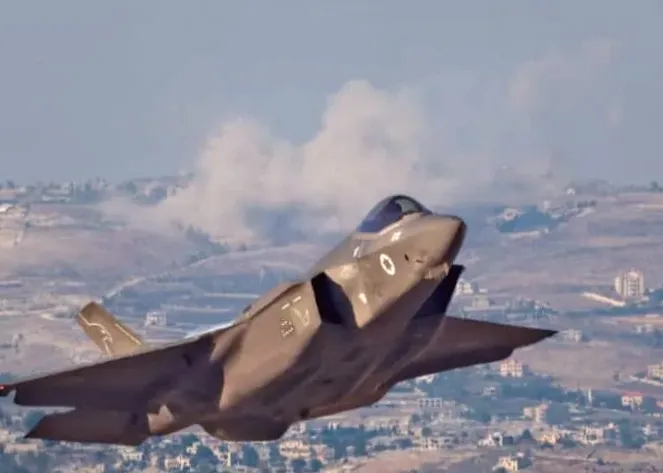
New testimony highlights significant shortcomings in the Israel Air Force's response during the October 7, 2023, attacks, including slow reaction times, ignored warnings, and frustrations among pilots over rigid command structures.
Brig.-Gen. (res.) Oren Solomon, a key investigator into the Israel Defense Forces handling of the massacre, described the events as marked by "severe failures, a series of incorrect decisions, overly rigid control mechanisms, and a lack of real-time situational awareness."
Solomon explained that intelligence reports were delivered at night without proper analysis or operational follow-up. "Calls were made, acknowledgments given, but no actionable steps were taken based on the intelligence received," he said. Early indications of Hamas activity were missed by the Air Force.
At 2:30 a.m., a junior female officer sought access to intelligence documents from Unit 8200 to understand potential threats, but her requests were denied. Despite repeated attempts to obtain authorization, she never received the materials. Meanwhile, Chief of Staff Herzi Halevis assessment at around 4 a.m. largely dismissed the likelihood of an aerial attack, without consulting IAF Chief Maj.-Gen. Tomer Bar.
Solomon recounted that Israel faced drone strikes and glider-borne attacks starting at 6:29 a.m., but the Air Force lacked a clear operational picture. Concrete information about large-scale infiltrations was received just 24 minutes later. At 6:53 a.m., reports of multiple raids were communicated to central command, but no immediate airstrikes were launched, and the barrier areas were left unprotected.
Plans were delayed, with aircraft remaining grounded for nearly three hours before receiving the order to conduct strikes at 7:10 a.m., though actual attacks did not occur until 10:30 a.m. The Gaza Divisions appeals for immediate action went largely unheeded, and key infiltration routes were left unstruck, enabling terrorists to enter and exit multiple times.
IAF Commander Maj.-Gen. Bar later acknowledged the failures, stating the Air Force "failed, though not out of negligence," citing insufficient preparedness for the scenario and delayed responses to drone and glider threats.
Pilots and navigators expressed frustration with centralized command during operations, reporting that strict oversight prevented initiative and slowed decision-making. Some described challenges in identifying targets or distinguishing between civilians and attackers, leading to missed opportunities to intercept infiltrators.
Investigators also noted that lessons from a previous incident near Jenin, involving independent pilot action to avert a threat, were not adequately applied before October 7. Despite previous readiness approvals, the IAFs rigid command structure and lack of initiative contributed to critical delays and operational failures during the massacre.
Author: Olivia Parker
Share

Luigi Mangione Reacts to 3D Gun Hearing, Unheard 911 Call, and Unabomber Comparisons
2 minutes ago 3 min read US

Week 14 NFL Power Rankings: Patriots Hold Firm, Changes in Top 5
4 minutes ago 2 min read US

Luigi Mangione's attorneys attempt to exclude evidence in New York state murder trial
8 minutes ago 4 min read US

Tracking the amount of snowfall from winter storms in the US
11 minutes ago 2 min read US

DC Lottery results: Check out the winning numbers for Powerball, DC 2 on December 6, 2025
17 minutes ago 2 min read US

Everyone is Dead
29 minutes ago 3 min read US

Dec. 6, 2025: Check out the winning numbers for Powerball and Pick 3 in Maine Lottery.
48 minutes ago 2 min read US

Teenage girl claimed to hear voices before committing murder
1 hours ago 2 min read US

Several Inmates Break Out of Louisiana Jail via Wall, Sparking Large-Scale Manhunt
1 hours ago 2 min read US

View images of the Pearl Harbor attack on its 84th anniversary
1 hours ago 2 min read US