

Archaeologists Discover Eerie Warning from the Roman Empire
- Last update: 47 minutes ago
- 2 min read
- 588 Views
- WORLD
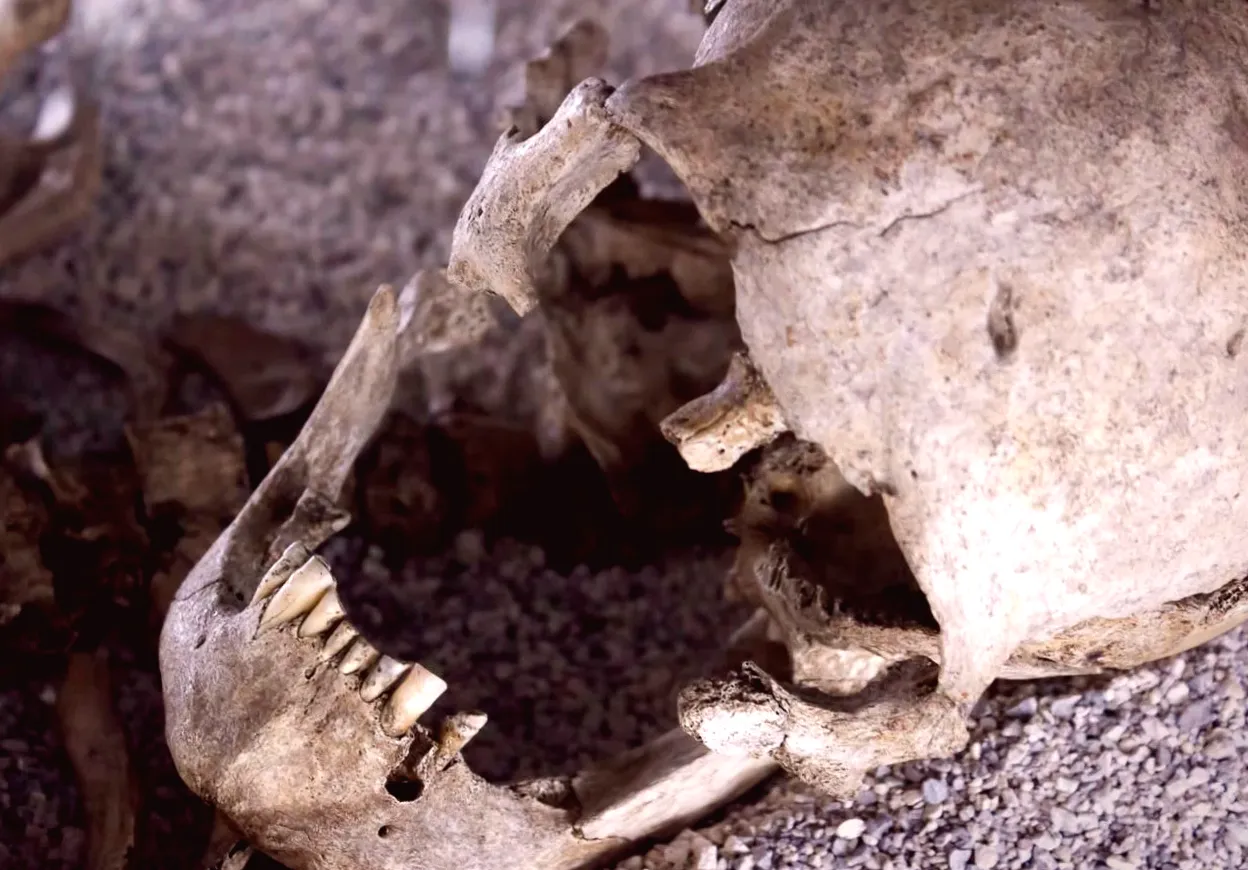
During recent excavations at the ancient fortress of La Loma in northern Iberia, archaeologists uncovered fragments of a human skull. Analysis of the remains revealed that the individual was a male, originating from northern Spain, the historic homeland of the Celtic Cantabri warriors.
Dating indicates that the skull corresponds to the period of the Cantabrian Wars, when Roman forces conquered the Cantabri and displayed the head of a defeated enemy as a trophy. This grim practice mirrored similar acts of intimidation that Roman legions were notorious for, including showing severed heads, hands, and other body parts publicly to demonstrate dominance.
The Romans waged a relentless campaign against the Cantabri at the end of the first century B.C.E., aiming to seize control of the Iberian Peninsula. The fortress of La Loma became the site where the Romans finally subdued these resilient warriors, leaving behind stark reminders of their conquest. Excavations uncovered the skull amid collapsed walls, ashes from fires, and scattered artifacts such as arrowheads, weapons, jewelry, and armor fragments, some showing evidence of violent combat.
The skull itself was fragmented, likely damaged by falling debris during the siege. Analysis estimated the age of the man between 32 and 58 years. Signs of prolonged exposure to the elements, including cracking, flaking, and whitening of the bone, suggested it had been displayed outdoors.
Genetic studies provided more insight. Approximately 53% of the DNA was recoverable, allowing reconstruction of the mitochondrial genome. Results confirmed the individual was male, with ancestry linked to ancient populations of the Iberian Peninsula, including lineages still present in the Basque region. This aligns with other Iron Age populations from northern Spain.
While physical and genetic evidence revealed identity and origin, the reason for his brutal fate remains tied to Roman strategies of intimidation. The display of heads and other symbols of conquest was less about ritual and more about discouraging resistance.
The discovery at La Loma echoes other historical examples of Roman practices. Prominent figures, such as Pompey the Great and Cicero, met similar fates, with heads and other remains displayed to assert political power. Today, the fragments of the La Loma skull serve as a chilling reminder of the ruthlessness of Roman military campaigns and the harsh consequences faced by those who opposed the empire.
Author: Jackson Miller
