

Bulgaria withdraws proposed budget for 2026 following large protests in Sofia
- Last update: 2 hours ago
- 2 min read
- 164 Views
- WORLD
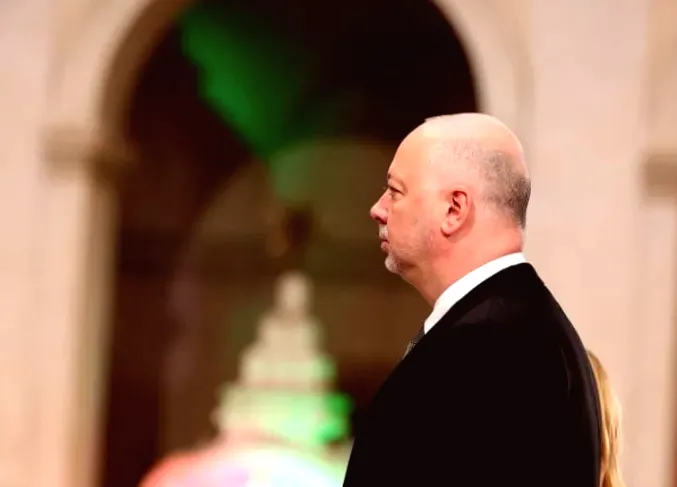
The Bulgarian government announced on Tuesday that it has pulled its disputed draft budget for 2026 after widespread protests erupted in Sofia, only a month before the nation is set to adopt the euro. Prime Minister Rosen Zhelyazkov stated that revised budget plans will be presented by the end of the year in response to mounting pressure on his administration.
On Monday, tens of thousands marched in the capital against the draft budget, which had already cleared its initial parliamentary reading. Protesters demanded the cancellation of planned increases in social security and pension contributions and raised concerns about potential corruption within the proposed budget.
Organizers reported around 50,000 participants at a rally that started peacefully but escalated into clashes near the headquarters of a ruling party. Some masked individuals threw firecrackers, bottles, and other objects at police, who responded with tear gas and pepper spray. Both protesters and officers suffered injuries, and authorities detained 71 people for acts of vandalism.
The opposition coalition PP-DB blamed "provocateurs" for instigating the violence. President Rumen Radev called for the government's resignation in a social media post, stating that early elections are the only solution. The PP-DB alliance warned that a no-confidence vote would be launched if the government failed to step down this week. Zhelyazkov, however, rejected resignation ahead of the euro adoption scheduled for January 1, 2026.
Bulgaria has been governed by a pro-Western coalition since January 2025. The minority government, comprising conservatives, socialists, and populists, was formed following the country's seventh parliamentary election in three and a half years. The administration relies on support from a fourth party, the DPS, which faces criticism and international sanctions for corruption against its leader, Delyan Peevski.
Author: Zoe Harrison
Share

The challenge of safeguarding Colorado children from fatal domestic violence
2 minutes ago 3 min read WORLD

Germany to implement Arrow 3 missile defense system this week
6 minutes ago 2 min read WORLD
Mansour Abbas announces Ra'am's separation from Shura Council and Muslim Brotherhood
6 minutes ago 3 min read WORLD

I relocated my family to a small Wyoming town for 2 years to cut costs. Despite the challenges, our short-term sacrifice was worth it.
9 minutes ago 2 min read WORLD
Ex-President of Honduras Hernández released following pardon from Trump
13 minutes ago 2 min read WORLD

College forced to evacuate due to threatening message sent
15 minutes ago 1 min read WORLD

Lithuania accuses Belarus of a 'cynical hybrid attack' after balloons disrupt airport
16 minutes ago 3 min read WORLD

Sri Lanka warns of landslides as cyclone death toll reaches 618
21 minutes ago 2 min read WORLD

SpaceX receives important approval to build Starship launch site at Cape Canaveral
26 minutes ago 3 min read WORLD

The Latest: US representative Witkoff to meet with Putin in Moscow while Zelenskyy starts his visit to Ireland
29 minutes ago 2 min read WORLD