

California Officials Issue Warnings as Wild Pigs Turn Bright Blue
- Last update: 4 days ago
- 2 min read
- 15 Views
- WORLD
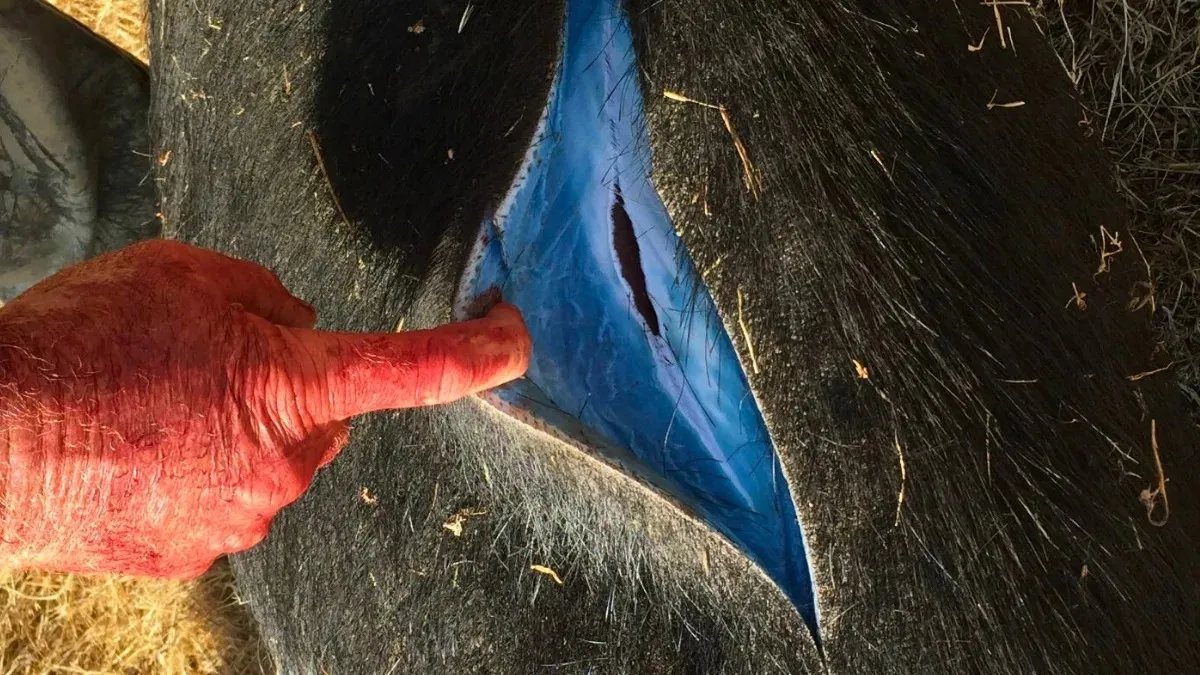
Hunters in California have discovered wild pigs with startlingly neon-blue internal organs, prompting warnings about potential contamination. Dan Burton, a wildlife control operator, described the unusual color to The Los Angeles Times: Im not talking about a little blue. Im talking neon, blueberry blue.
Authorities investigated and determined that the vivid blue coloration resulted from rodenticide exposure, leading to public advisories throughout Monterey County.
Rodenticide Contamination Risks
Rodenticides containing diphacinone are often dyed blue for identification purposes. This chemical has faced strict limitations in California since 2024. Ryan Bourbour, coordinator for pesticide investigations at the California Department of Fish and Wildlife (CDFW), emphasized that Hunters should be cautious, as meat from wild pigs, deer, bears, and geese could be contaminated if the animals have ingested rodenticides.
Exposure to these poisons poses risks not only to target animals but also to non-target wildlife in nearby habitats.
Mechanism and Impact of Diphacinone
Diphacinone is a first-generation anticoagulant rodenticide that prevents blood clotting by interfering with vitamin K recycling. This can cause severe internal bleeding in animals. Predators and humans who consume contaminated meat may also experience harmful effects. Although diphacinone breaks down faster than second-generation alternatives, it remains active in tissues for some time, even after cooking.
Repeated cases of blue-stained organs in wild pigs have been recorded in the region. Californias wild pigs are hybrids of domestic pigs and European wild boars, known for their omnivorous diets, which include rodenticide-laced bait.
Wildlife and Human Health Concerns
Rodenticides have been detected in many poisoned predators, including raptors, mountain lions, bobcats, and endangered species like the northern spotted owl. Early intervention with vitamin K can sometimes treat anticoagulant poisoning in wildlife, but prevention is critical. The CDFW advises pesticide applicators to ensure wildlife are not present before using rodenticides and to employ bait stations that restrict access to non-target species.
Pesticides can also affect humans, being linked to fertility issues, diabetes, cancer, and neurological conditions. Studies have found that chemicals like chlorpyrifos may cause brain abnormalities and motor impairments in children.
Safer Alternatives and Recommendations
Integrated pest management promotes safer methods, combining natural predators, physical barriers, traps, and controlled use of light, sound, or scents like peppermint oil. The CDFW encourages reporting of animals with unusual coloring or signs of poisoning to the Wildlife Health Lab.
Authorities continue to monitor pesticide impacts on ecosystems, emphasizing international coordination and careful regulation to protect both wildlife and human health.
Author: Sophia Brooks
Share

Jamie Oliver plans to bring back Jamie's Italian in the UK with a relaunch in 2026.
40 seconds ago 2 min read WORLD

Questioning the Council's drive to cut costs
51 seconds ago 2 min read WORLD

Western nations urge Tanzania to release bodies of victims following post-election violence
1 minutes ago 3 min read WORLD

The Christmas tree festival is coming back for another year.
1 minutes ago 1 min read WORLD

Return of the King Tides
3 minutes ago 2 min read WORLD

Despite effective treatments, HIV rates remain highest in the American South due to a clash between culture and public health efforts.
4 minutes ago 3 min read WORLD

Palestinians report Israeli army killed man in occupied West Bank
4 minutes ago 2 min read WORLD

Guinness rejects world records from Israel
5 minutes ago 3 min read WORLD

Media reports: Drones spotted flying above French strategic nuclear submarine base
7 minutes ago 2 min read WORLD

Man sentenced to prison for killing partner's son in knife assault
9 minutes ago 2 min read WORLD