

Exploration of deep sea mining reveals discovery of numerous new species
- Last update: 1 hours ago
- 3 min read
- 250 Views
- WORLD
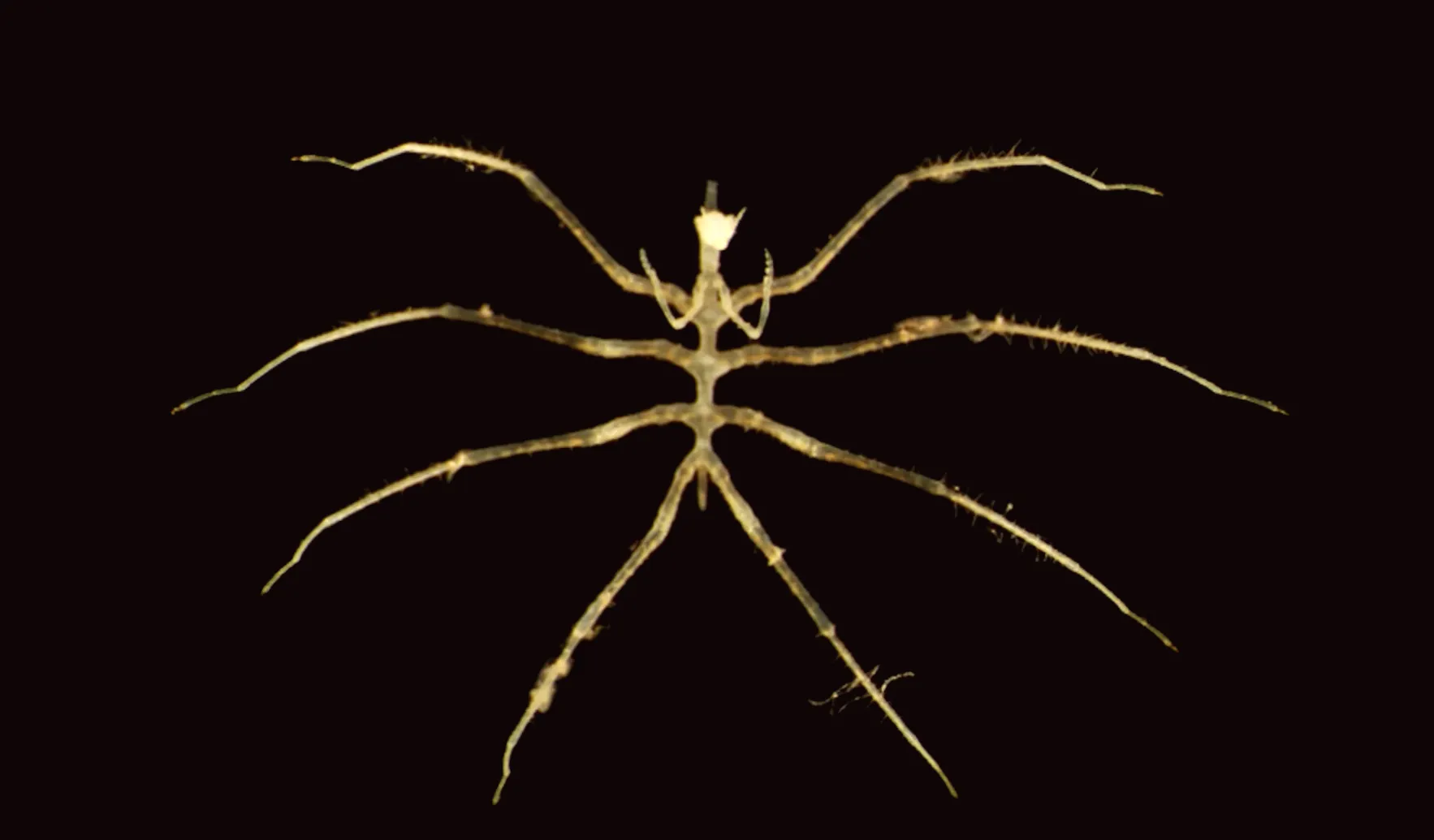
Scientists conducting one of the most extensive investigations into the environmental consequences of deep-sea mining made an unexpected discovery on the ocean floor: a total of 4,350 animals, each larger than 0.3 millimeters. From these specimens, researchers identified 788 distinct species, including various crustaceans, mollusks, marine bristle worms, and other previously unrecorded organisms inhabiting the mining zone.
Although the study suggests that extracting rare earth metals from depths exceeding 13,000 feet may not be as ecologically destructive as once feared, the disturbances observed remain significant. The results of this research are published today in Nature Ecology and Evolution.
Despite its extreme and inhospitable conditions, the deep ocean is attracting growing commercial interest due to its abundance of rare earth metals, which are crucial for modern technologies. One of the most targeted areas for mining is the Clarion-Clipperton Zone (CCZ), a vast abyssal plain between Hawaii and Mexico, located about 2.5 miles below the surface. While mineral-rich, the CCZ remains one of the least studied habitats on Earth. Previous surveys in 2022 recorded over 5,000 new species in the region.
The mining area is characterized by dense polymetallic nodules on the seafloor. Using underwater robots, researchers collected samples including deep-sea sponges and starfish. The biodiversity of the CCZ has raised concern among conservationists, especially due to the limited studies on the ecological impact of mining activities.
Critical metals are essential for the green energy transition, yet their availability is limited, explained Thomas Dahlgren, marine biologist at the University of Gothenburg and coauthor of the study. Many of these metals are present on the deep-sea floor, but the environmental effects of extracting them have not been fully understood until now.
To assess potential consequences, Dahlgren and his team surveyed a 50-mile stretch of the CCZ two years prior to a test mining operation. After the mining vehicle passed, they returned two months later, conducting 160 days of fieldwork and documenting over 4,000 organisms, including the 788 distinct species mentioned above.
The study highlighted the impact of mining: areas disturbed by the machinery showed a 37 percent reduction in overall animal numbers and a 32 percent decline in species diversity. The researchers emphasized that as deep-sea mining progresses from exploration to commercial activity, comprehensive studies of its ecological effects are urgently needed.
Among the discoveries was a previously unknown solitary coral attached to polymetallic nodules, now named Deltocyathus zoemetallicus. This highlights the CCZs largely unexplored biodiversity.
With this pioneering project complete, marine scientists aim to establish a reference point for future investigations into the environmental effects of deep-sea mining, including areas currently under environmental protection, which make up roughly 30 percent of the CCZ. We still know very little about what lives in these depths, noted Adrian Glover of the Natural History Museum of London, coauthor of the study.
Author: Lucas Grant
Share

Scientists test the impact of deep-sea mining on over a third of seabed animals
14 hours ago 3 min read WORLD
Norway delays deep-sea mining operations for four years
2 days ago 3 min read WORLD
Nearly $100 Billion in Rare Earth Elements Could Be Hidden in the US
4 days ago 3 min read ECONOMICS