Kenyan MPs allege British soldiers of committing sexual abuse and causing environmental harm
- Last update: 2 days ago
- 3 min read
- 734 Views
- WORLD
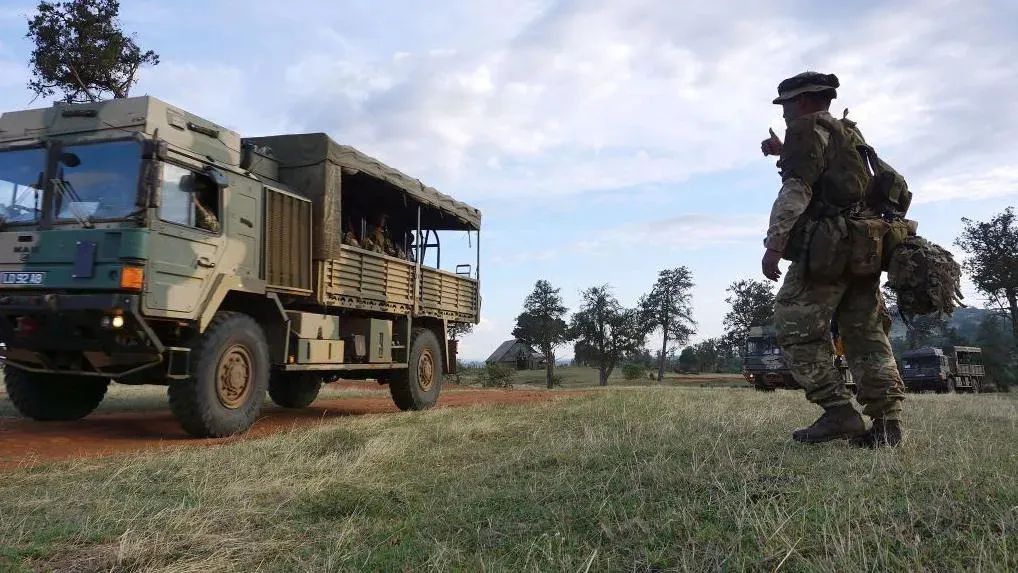
Kenya's lawmakers have released a report accusing British military personnel of longstanding sexual abuse, killings, human rights violations, and environmental damage during their training activities in the country. The findings focus on communities around Laikipia and Samburu counties, close to British Army Training Unit Kenya (BATUK) bases.
The report claims that British soldiers have resisted cooperating with the investigation, complicating accountability efforts. The UK High Commission in Kenya expressed regret that its input was not fully reflected in the report and stated its readiness to examine allegations "within our jurisdiction, once evidence is submitted."
BATUK has operated in central Kenya for decades, training both Kenyan and UK troops, but its presence has frequently been controversial. Each year, over 1,000 Kenyan soldiers receive British training, while thousands of UK personnel are deployed to Kenya for exercises.
The 94-page report, the result of a two-year inquiry by Kenyas parliamentary Committee on Defence, Intelligence, and Foreign Relations, alleges ongoing ethical violations, human rights abuses, and environmental negligence by BATUK, in addition to labour and employment concerns. Testimonies came from victims, community leaders, civil society groups, and public agencies.
Communities reported incidents of killings, assaults, and accidents involving British soldiers, describing BATUK as increasingly resembling an "occupying presence" rather than a development partner. One highlighted case was the 2012 killing of Agnes Wanjiru, whose body was discovered in Nanyuki after she had spent an evening with British soldiers. The pursuit of justice has been slow, with interference from BATUK personnel hampering progress. A former British soldier accused in the case faces extradition from the UK and denies the charges.
Another cited case involved the alleged unlawful killing of herder Tilam Leresh in 2012 by a BATUK sergeant, with no arrests or prosecutions in either Kenya or the UK. While the UK acknowledged regret over Lereshs death, prosecutors cited insufficient evidence, though they remain open to new evidence.
The report details persistent sexual misconduct by BATUK personnel, particularly targeting women from Samburu and Maasai communities. Survivors reported cases being mishandled or dismissed by local authorities, leaving many without justice. Testimonies included attacks on women gathering firewood, fetching water, or herding livestock, as well as a 1997 gang-rape incident involving 30 women in Archers Post. BATUK stated it maintains zero tolerance for sexual exploitation.
Other issues highlighted include public indecency, disorderly conduct, and children fathered by British soldiers who were abandoned, causing social and financial hardships for mothers.
Environmental concerns were also raised. The report states that BATUK has not conducted required environmental assessments for exercises, citing potential use of white phosphorus and reports of respiratory problems, miscarriages, livestock deaths, and injuries from leftover military ordnance. BATUK defended its record, citing compliance audits.
The parliamentary committee criticized BATUK for refusing to appear before it, invoking diplomatic immunity. While the UK Ministry of Defence claims to have addressed some concerns, the panel deemed the Kenya-UK defence cooperation agreement "structurally flawed," with inadequate provisions for holding soldiers accountable for severe crimes like murder.
The committee recommended revisions to the military agreement, including a visiting forces code of conduct, strict rules against gender-based violence, environmental responsibilities, civilian oversight, and mechanisms to ensure child support accountability.
Author: Harper Simmons