

Kurdistan Region of Iraq's Gas Field Seeks Restart Following Drone Attack
- Last update: 5 days ago
- 2 min read
- 11 Views
- WORLD
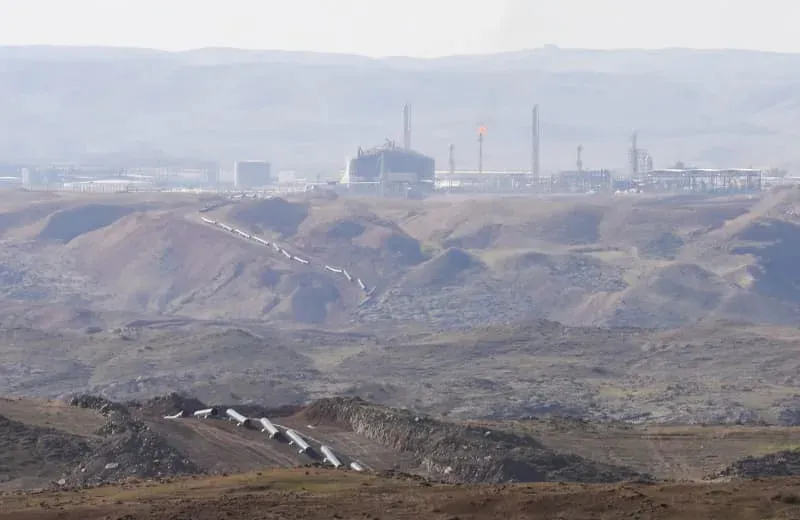
The Khor Mor gas field, a crucial source of electricity for the Kurdistan Region of Northern Iraq, is set to restart operations just days after a drone strike temporarily halted its output. The incident has drawn strong condemnation from local leaders, the United States, the United Nations, and other international observers.
The gas field has previously been targeted multiple times, often by suicide drones, with Iranian-backed militias suspected of carrying out these attacks.
According to Iraqi Kurdish Prime Minister Masrour Barzani, The Kurdistan region has coordinated with the operator of the Khor Mor gas field to resume production within hours to restore electricity. Meanwhile, Kurdish media outlet Rudaw reported that shipments of remaining liquefied petroleum gas (LPG) from the facility were being distributed to cities across the region while repair teams continued maintenance work following the strike. Eight LPG tankers were dispatched on Saturday, though the plant itself had not yet fully resumed operations.
The latest attack, which appears to have involved rockets, occurred on Thursday near Chamchamal in Sulaymaniyah province. It caused a production shutdown and widespread power outages. No group has claimed responsibility, and authorities have not identified the attackers. Prime Minister Barzani emphasized the need for accountability, urging the Iraqi Prime Minister Mohammed Shia Al-Sudani to ensure the perpetrators face justice.
This attack comes amid ongoing political maneuvering in Iraq following early November elections. Pro-Iranian Shiite parties typically control the Prime Ministers office, Kurds have held the presidency since 2005, and Sunni leaders occupy the parliamentary speaker role. The Kurdistan Region remains autonomous and is a key ally of the US and the US-led coalition against ISIS, contributing Peshmerga forces to the fight against the extremist group. The regions stability and economic growth rely heavily on secure energy supplies.
US Envoy to Iraq Mark Savaya highlighted the broader implications, noting that Iraq has the potential to play a significant regional role if weapons outside state control are addressed and official institutions are strengthened. He stressed that economic growth and international partnerships are only possible where politics are separate from unofficial armed power. According to Savaya, Iraq now faces a pivotal moment: it can either build independent institutions that uphold the rule of law or fall back into cycles of instability fueled by irregular forces.
Author: Sophia Brooks
Share

Western nations urge Tanzania to release bodies of victims following post-election violence
34 seconds ago 3 min read WORLD

The Christmas tree festival is coming back for another year.
42 seconds ago 1 min read WORLD

Return of the King Tides
2 minutes ago 2 min read WORLD

Despite effective treatments, HIV rates remain highest in the American South due to a clash between culture and public health efforts.
3 minutes ago 3 min read WORLD

Palestinians report Israeli army killed man in occupied West Bank
3 minutes ago 2 min read WORLD

Guinness rejects world records from Israel
4 minutes ago 3 min read WORLD
Media reports: Drones spotted flying above French strategic nuclear submarine base
6 minutes ago 2 min read WORLD

Man sentenced to prison for killing partner's son in knife assault
8 minutes ago 2 min read WORLD

Colombian navy seizes 7 tons of cocaine, arrests 11 unharmed
11 minutes ago 2 min read WORLD

Minister stands up for UK Labour government's performance in Wales
17 minutes ago 2 min read WORLD