

The increase in Achilles tendon injuries explained by experts
- Last update: 1 hours ago
- 3 min read
- 973 Views
- WORLD
During a high-intensity gym session, Kristina Lazzaro of Buffalo, New York, experienced a sudden, alarming pop while performing a shuttle run. The 35-year-old had sprinted across the gym when she planted her foot to pivot and collapsed instantly, unable to move her ankle. She later discovered she had suffered a complete Achilles tendon rupture, an injury that can take up to a year to fully recover from.
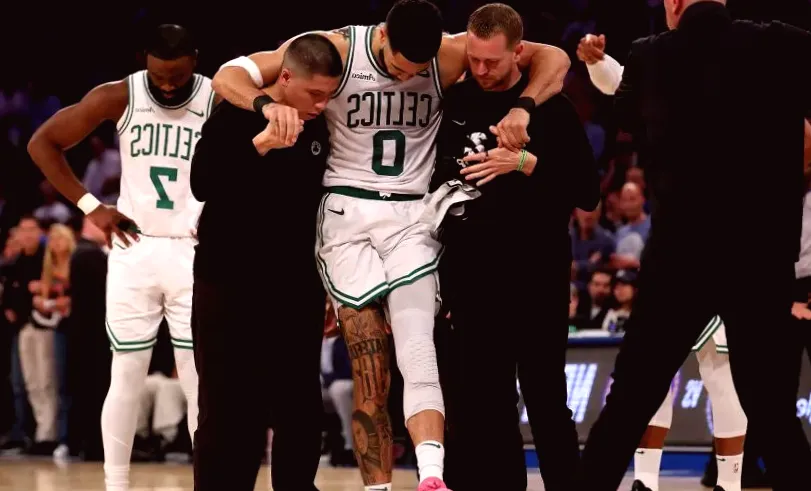
Achilles tendon injuries are increasingly affecting both amateur fitness enthusiasts and professional athletes. This year, actor Sterling K. Brown attended the Emmys on a knee scooter after a rupture, while NBA stars like Tyrese Haliburton, Jayson Tatum, and Damian Lillard were sidelined by similar injuries during the 2025 playoffs. Although rare roughly two cases per 100,000 emergency room visits in the U.S. from 2001 to 2020 orthopedic specialists report a noticeable rise, especially among adults over 40.
Dr. Priya Parthasarathy, a podiatrist in Maryland, attributes the trend to more older adults engaging in explosive, high-impact workouts. Achilles injuries are largely about gradual load, she explains. Jumping into intense exercise too quickly can be extremely risky.
The Achilles Tendon: Strength and Vulnerability
The Achilles tendon, connecting the calf muscles to the heel bone, is the bodys strongest tendon and can endure forces up to four times a persons body weight. Named in 1693 by anatomist Philip Verheyen after the Greek hero Achilles, it is crucial for plantar flexion, which allows walking, running, and jumping.
Despite its strength, the tendon is constantly under stress and naturally weakens over time. Men aged 3550 are particularly at risk, and other factors like certain antibiotics, steroid use, obesity, poor conditioning, and sporadic high-intensity workouts further increase the likelihood of rupture.
Preventing Injury
While Achilles tears cannot always be completely prevented, risk can be reduced. Recommended strategies include stretching before exercise, listening to your body, resting between workouts, staying hydrated, getting adequate sleep, avoiding smoking, wearing supportive footwear, gradually increasing workout intensity, and strengthening surrounding muscles through yoga or balance exercises.
Explosive movements, especially the "step back," are frequent triggers for rupture. Professional athletes and weekend warriors alike can be affected by sudden changes in direction or rapid stops, sometimes with no warning, as experienced by Kevin Mullins, 40, during a casual lacrosse game.
Diagnosis and Treatment
Achilles ruptures are diagnosed using the Thompson Test, where squeezing the calf should cause the toes to point downward if the tendon is intact. Ultrasounds or MRIs may also be used. Treatment options include surgical repair for full tears or nonsurgical management for less severe cases. Surgery generally results in a stronger tendon, lower rerupture rates, and faster return to sports, while nonsurgical approaches require longer recovery.
Rehabilitation
Recovery typically begins with immobilization in a cast or boot, followed by gradual weight-bearing exercises and physical therapy. Modern rehab encourages earlier mobility to limit scar tissue formation. Approaches vary, with some programs, like the Achilles Rebuild, emphasizing individualized, performance-based plans rather than rigid protocols.
Regardless of treatment method, Achilles injuries demand patience, extensive rehab, and lifestyle adjustments, with driving and high-impact activities restricted during the recovery period.
Author: Logan Reeves
Share

Christmas singing statue stolen from funeral home
52 seconds ago 2 min read WORLD

Canine aids owner in fleeing house fire in Germany
3 minutes ago 1 min read WORLD

Hong Kong mandates removal of scaffolding mesh following fatal blaze
5 minutes ago 2 min read WORLD

A new strain of flu is spreading rapidly in the US, causing school districts to prepare for the worst
6 minutes ago 3 min read WORLD
Researchers find surprising revelation about popular daycare centers: 'Growing demand for ... these facilities'
8 minutes ago 2 min read WORLD

Protesters detained for smearing custard and crumble on Crown Jewels display at Tower of London
9 minutes ago 2 min read WORLD

Footage captures British Typhoon and Swedish Gripen jets refueling at 30,000 feet
11 minutes ago 3 min read WORLD

Is Nineteen Eighty-Four here? Orwell lecturer says not quite
12 minutes ago 3 min read WORLD

Pest control work requires hospital to relocate services
14 minutes ago 2 min read WORLD

Criticism of Police Chief for 'Misleading' CCTV Statements
16 minutes ago 3 min read WORLD