

All You Need to Keep Yourself Safe from Norovirus
- Last update: 50 minutes ago
- 4 min read
- 503 Views
- BUSINESS
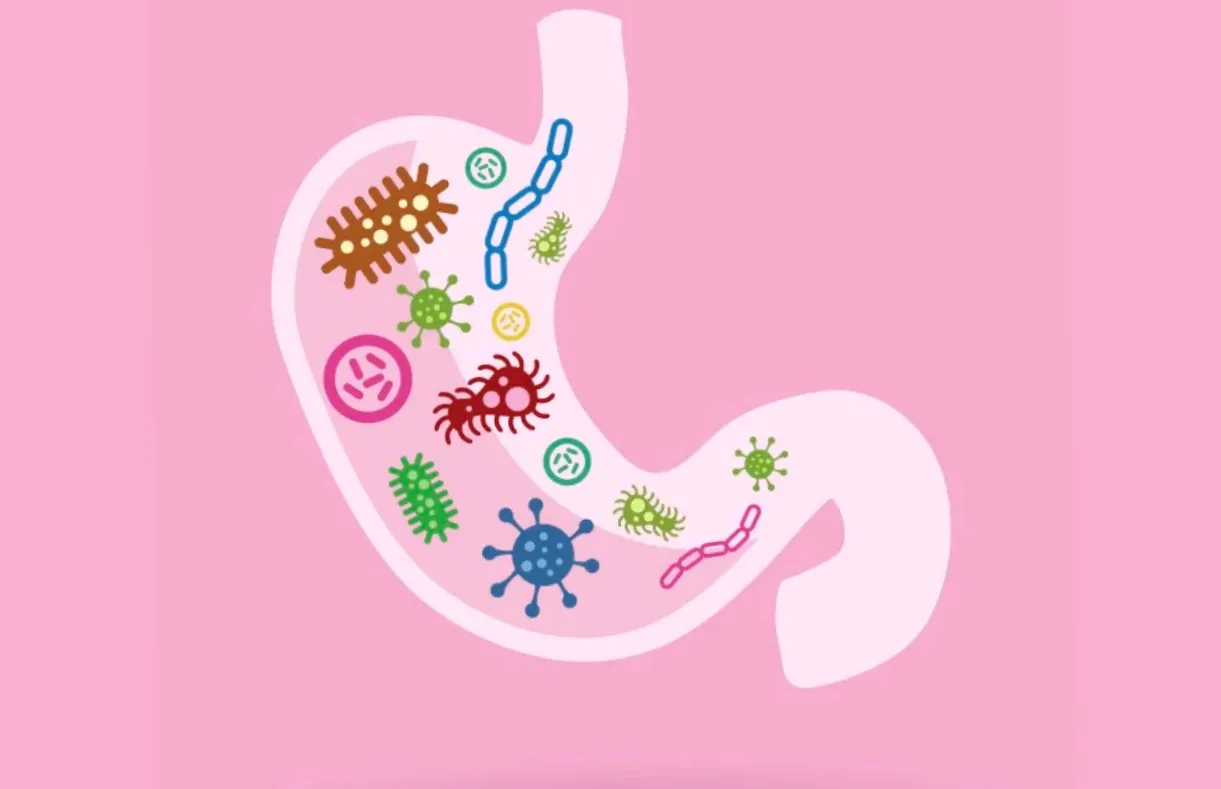
A highly contagious stomach infection, often referred to as "winter vomiting disease," is circulating once again this season. According to wastewater data, norovirus rates have been on the rise across the country. Amanda Bidwell, the scientific program manager for the WastewaterSCAN program, shared that the concentration of the virus in wastewater has increased by 69% since October. "Currently, we are in the high category for norovirus nationwide," she stated, noting the highest rates are in the Northeast and Midwest regions.
However, despite the increase in cases, the current numbers are still lower than the surge from the previous year, which was largely attributed to a new strain called GII.17[P17]. At the end of December 2024, the Centers for Disease Control (CDC) reported that nearly 23% of individuals tested positive for norovirus, which is more than double the typical peak of 10-15%. While the virus is not typically life-threatening, it is definitely something to avoid (unless you plan to spend much of your holiday season on the toilet). Heres everything you need to know about norovirus, its symptoms, and how to protect yourself.
What is Norovirus and What Are Its Symptoms?
Norovirus is a group of viruses responsible for sudden vomiting and diarrhea. Although the name may not be familiar, norovirus has been known for many years, first being identified during an outbreak in Norwalk, Ohio, in 1968. Common symptoms include stomach pain, cramps, and low-grade fever, but these typically develop 12 to 48 hours after exposure. Some people may experience mild or no symptoms at all, which means you could be infected without realizing it.
How is Norovirus Treated?
There is no specific treatment for norovirus, as antibiotics are ineffective in treating viral infections. The Mayo Clinic emphasizes that antibiotics target bacteria, not viruses. However, managing symptoms is crucial. Rest and staying hydrated are essential, with electrolyte-rich drinks being particularly helpful to replace nutrients lost through vomiting and diarrhea. If you can tolerate solid foods, try bland items like bananas, rice, toast, crackers, or plain oatmeal. Most people recover on their own within one to three days, but for young children and older adults, norovirus can lead to severe dehydration, which requires medical attention. The CDC reports that norovirus contributes to about 900 deaths annually (primarily among those 65 and older) and leads to approximately 465,000 emergency room visits each year.
How Contagious is Norovirus, and How Long Are You Contagious?
Norovirus is highly contagious and spreads rapidly. Infected individuals release billions of tiny virus particles in their vomit and stool, and even small amounts can infect others. While symptoms may improve after a few days, the CDC warns that the virus can remain contagious for up to two weeks after recovery. It can also persist on surfaces for extended periods, making it important to regularly disinfect frequently touched areas, such as doorknobs and countertops.
Does Hand Sanitizer Protect Against Norovirus?
Unfortunately, hand sanitizer alone cannot protect you from norovirus. As explained by Dr. Craig Wilen, an expert in microbiology, norovirus is considered a non-enveloped virus, which has a tough, protein-based shell, making it resistant to alcohol-based sanitizers. Therefore, it is far more effective to wash your hands thoroughly with soap and warm water for at least 20 seconds. Soap acts as a detergent, helping to break apart the virus and wash it away from your skin before you get infected.
How Does Norovirus Spread?
Norovirus can spread in a variety of ways. Close contact with an infected person, such as sharing utensils or drinks, is one common route of transmission. It can also be contracted through contaminated food, particularly if someone infected with the virus handles food without properly washing their hands after using the bathroom. Additionally, norovirus can enter water sources through untreated sewage or vomit. Unlike some other viruses, norovirus is not airborne, so wearing a mask will not prevent infection.
To protect yourself, ensure frequent handwashing, avoid close contact with sick individuals, wash fruits and vegetables thoroughly before eating, and properly cook food, particularly seafood. With this knowledge, you can take the necessary precautions to safeguard your health.
Author: Noah Whitman
Share

Recall of Shredded Cheese in Multiple States for Possible Metal Fragment Contamination
4 minutes ago 1 min read BUSINESS

Greenwich foot tunnel to undergo 'complete renovation'
6 minutes ago 2 min read BUSINESS

FDA reports 7 deaths caused by defective glucose monitors implanted in people's arms
18 minutes ago 2 min read BUSINESS

Recall of Shredded Cheese in Multiple States for Possible Metal Fragment Contamination
18 minutes ago 1 min read BUSINESS

Report Urges Revamping California's School System
21 minutes ago 3 min read BUSINESS

Cloudy Saturday followed by more snow on Sunday
23 minutes ago 1 min read BUSINESS

Major Upgrade Planned for New York's Largest Airport in 2026
25 minutes ago 2 min read BUSINESS

How to get a free wrap from Jimmy John's on Spotify Wrapped Day.
26 minutes ago 2 min read BUSINESS

United Airlines Retires First 777-200 After Three Decades of Service
31 minutes ago 3 min read BUSINESS

Threats, dysfunction and flying: Reasons for the rise in resignations in DC
34 minutes ago 3 min read BUSINESS