

Americans are consuming fewer drinks, according to new data, although the decrease is slight
- Last update: 1 days ago
- 2 min read
- 368 Views
- BUSINESS
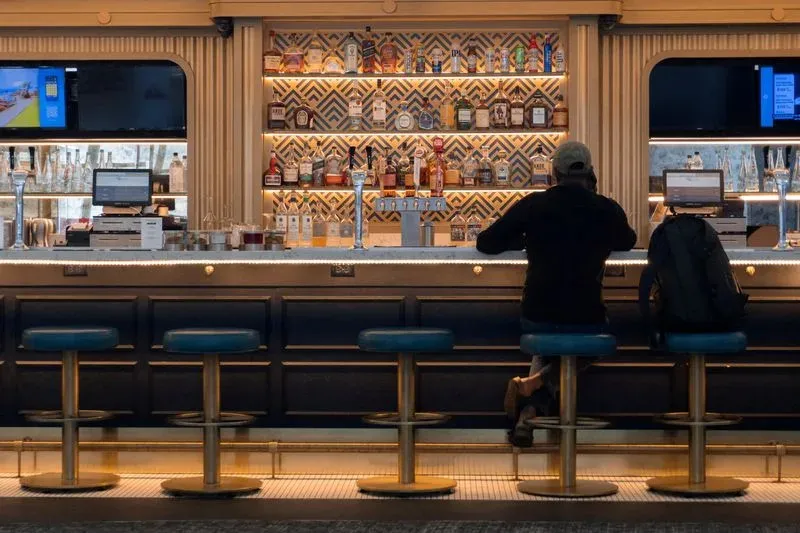
LONDON, Dec 4 While many Americans report drinking less alcohol than in previous years, recent research indicates that the weekly consumption of alcohol among U.S. adults has remained relatively steady for decades.
Exclusive data from drinks market research company IWSR reveals that the average U.S. adult consumes between 10 and 12 alcoholic drinks per week, a range that has persisted since 1975. Currently, consumption sits at its lowest level since 1995, reflecting a decrease of roughly 1.1 drinks per person per week compared with a peak of 11.5 drinks in 2021.
Recent surveys suggesting a significant decline in drinking, alongside falling alcohol sales and reduced consumption among younger adults, have fueled debate over whether the U.S. is experiencing a long-term shift away from alcohol. Health-conscious lifestyles are often cited as a possible reason. However, industry experts argue that economic factors, rather than a cultural move against drinking, are largely responsible for the drop in sales.
Marten Lodewijks, president of IWSR, noted that while changes in drinking habits cannot be entirely ruled out, the data does not support the idea of a historic drop in alcohol consumption. He added that it may take years to determine whether the current decline is temporary due to economic conditions or indicative of a longer-term trend in behavior.
IWSR points out that economic pressures such as high interest rates, inflation, and political uncertainty are likely influencing consumer spending more than changing attitudes toward alcohol. The company also highlighted that declines in overall alcohol sales appear less dramatic when expressed as weekly drinks per person, accounting for shifts from high-volume beverages like beer to lower-volume spirits.
Interestingly, IWSR survey data indicates that Gen Z adults have not avoided drinking more than older generations. In fact, the number of Gen Z respondents reporting recent alcohol consumption increased between 2023 and 2025, challenging assumptions that the younger generation is leading a decline in drinking.
Other surveys focusing on younger demographics have noted declines, but analysts, including Laurence Whyatt of Barclays, suggest that economic pressures, rather than changing cultural attitudes, play a key role in determining how much young adults consume.
Author: Harper Simmons
Share

Thailand lifts confusing ban on afternoon alcohol sales for tourists
1 days ago 2 min read TRAVEL

The Surprising Impact of Donald Trump on Beer Sales in America
1 days ago 2 min read BUSINESS

Americans are consuming fewer drinks, according to new data, although the decrease is slight
1 days ago 2 min read BUSINESS

Thailand allows afternoon alcohol sales for year-end holiday celebrations
1 days ago 2 min read BUSINESS

Thailand allows afternoon alcohol sales again for year-end holiday celebrations
2 days ago 2 min read BUSINESS

Thailand removes restrictions on afternoon alcohol sales
2 days ago 2 min read BUSINESS

Thailand allows afternoon alcohol sales in time for year-end holiday celebrations
2 days ago 2 min read BUSINESS

Thailand allows afternoon alcohol sales again for year-end holiday celebrations
2 days ago 2 min read BUSINESS

Am I consuming more alcohol than others? Utilize our tool to determine
5 days ago 3 min read HEALTH

Feeling thirsty? Expert tips on staying hydrated and other helpful suggestions
5 days ago 3 min read HEALTH