

ASA Criticizes Nike, Lacoste and Superdry for Lack of Sustainability
- Last update: 1 days ago
- 2 min read
- 535 Views
- BUSINESS
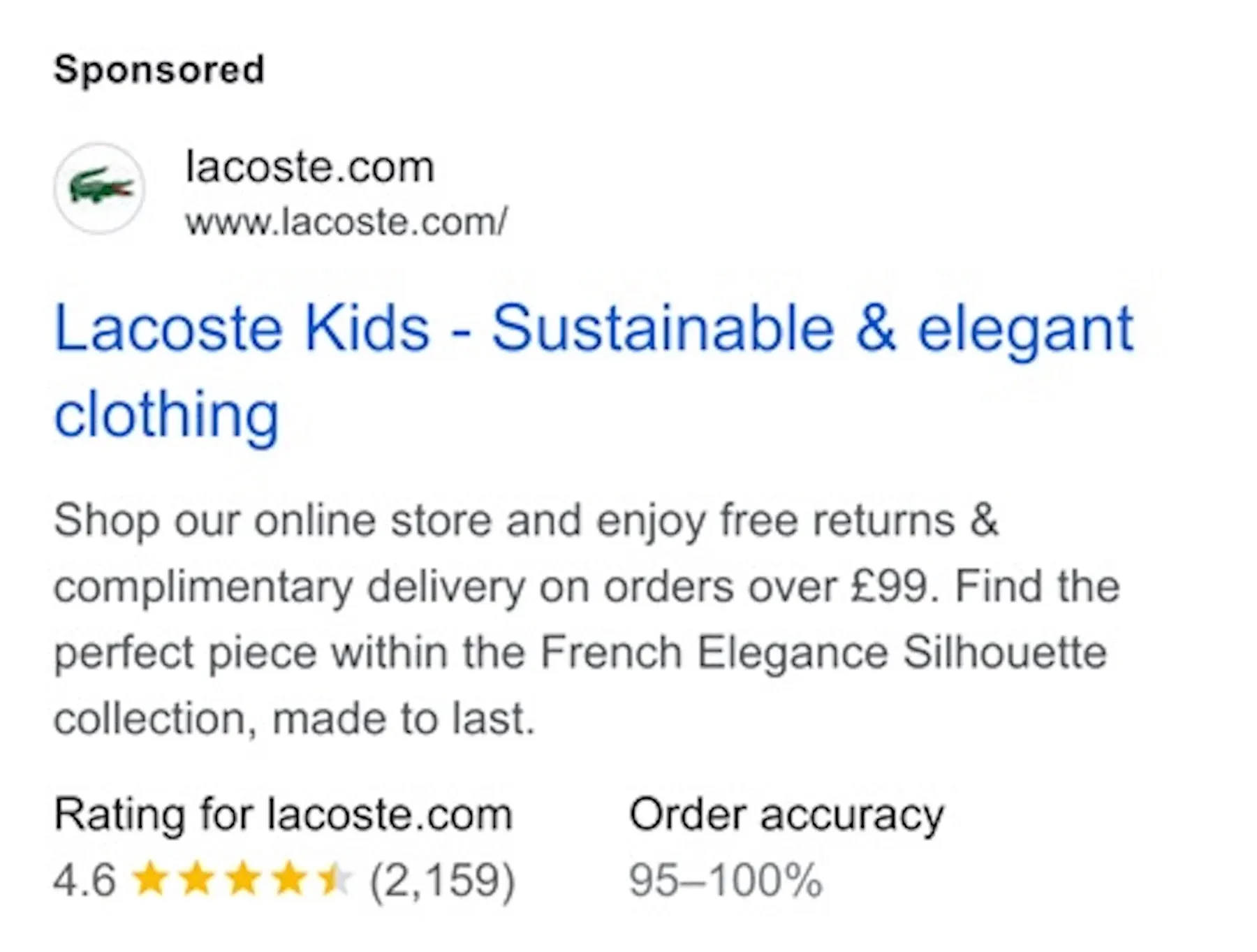
The British Advertising Standards Authority (ASA) has targeted Nike, Lacoste, and Superdry for promoting misleading environmental claims in paid Google search ads. In June, the ASA banned one advertisement from each company as part of a wider investigation into the fashion retail sector, conducted using its AI-powered Active Ad Monitoring system to detect ads potentially making unsubstantiated sustainability claims.
All three rulings focused on claims that the ASA deemed vague or absolute, such as "sustainable clothing" or "sustainable materials." According to the watchdog, these claims implied that the products had no negative environmental impact throughout their full life cycle, a standard that the brands failed to substantiate.
In each case, while the companies provided evidence of sustainability initiatives, it was insufficient to support absolute claims. The ASA emphasized that future environmental promotions must clearly define their terms and be backed by strong evidence.
Lacoste: A Google ad on June 24, 2025, labeled the Lacoste Kids Sustainable [] clothing. Lacoste pointed to reductions in environmental impact compared to their 2022 collection, including a 19% decrease in raw materials footprint, based on ISO 14040 and 14044 life cycle analyses. The ASA concluded, however, that these reductions did not justify implying a product had no environmental harm across its entire life cycle. The ad was removed following the complaint.
Nike: A June 18 ad promoted Nike Tennis Polo Shirts Serve An Ace With Nike[]Sustainable Materials. Nike noted that some polo shirts contained at least 75% recycled materials. The ASA found the claim misleading because it lacked evidence that the products were entirely environmentally neutral over their life cycle, despite highlighting the use of recycled components. Nike explained that Google ad limitations prevented full disclosure, but the ASA required clearer substantiation.
Superdry: An ad on June 30 claimed Superdry: Sustainable Style. Unlock a wardrobe that combines style and sustainability []. Superdry argued it referred to products with sustainability attributes, noting that 64% of garments contained sustainably sourced materials. The ASA ruled the ad misleading, as it implied all products were fully sustainable, and the company had not provided life cycle evidence for even the portion of products with sustainability attributes. The ad was subsequently removed.
The ASA underlined that under the CAP Code, environmental claims must clearly define terms, provide high-level substantiation, and reflect the full life cycle of the products unless explicitly qualified otherwise.
Author: Maya Henderson