

CDC updates recommendation for newborn hepatitis B vaccination
- Last update: 1 hours ago
- 2 min read
- 371 Views
- BUSINESS
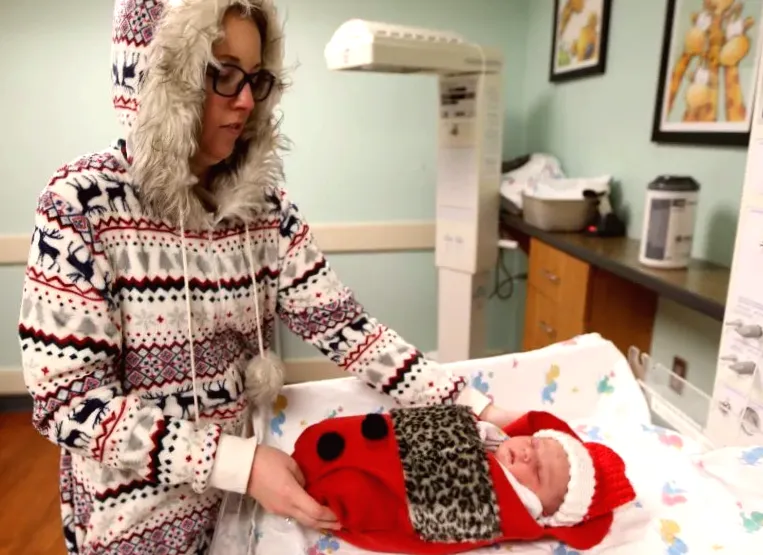
Dec. 5 (UPI) -- The CDC's Advisory Committee on Immunization Practices (ACIP) has voted to postpone the initial hepatitis B vaccine for most newborns, depending on maternal infection status. Following a one-day delay due to procedural confusion, the committee approved the recommendation 8-2 that infants born to mothers who test negative for hepatitis B should receive their first dose at two months of age.
This marks a significant change from the longstanding practice of administering the vaccine within 24 hours of birth, a guideline in place since 1991. The new policy also allows for personalized decisions on whether a child should complete the three-dose series at all.
Susan J. Kressly, president of the American Academy of Pediatrics, criticized the decision, stating it could lead to increased hepatitis B infections among children. She emphasized that no new safety concerns or changes in infection risk prompted the shift, describing it as a strategy that may foster fear and mistrust among families.
The AAP continues to advocate for the traditional vaccination schedule: the first dose within the first day of life, the second dose at one to two months, and the final dose at six months. Introduced in 1981 under a risk-based approach, the hepatitis B vaccine became universally recommended in 1991 after experts recognized the need for broader protection against the virus.
Amish A. Adalja, senior scholar at Johns Hopkins Center for Health Security, noted the policy change is significant for both clinical decision-making and as an indicator of HHS's evolving stance on vaccines. He highlighted that universal vaccination historically reduced hepatitis B transmission and overall disease burden.
According to the Vaccine Integrity Project at the University of Minnesota, pediatric hepatitis B cases have dropped by 99% since 1991, despite about 17,000 infants annually being born with the infection due to gaps in maternal testing.
ACIP member Raymond Pollak criticized the new timeline, noting there is no supporting evidence for preferring a two-month start over earlier administration. Pollak, a retired surgeon and immunobiologist, expressed his opposition ahead of the vote.
The update reflects broader shifts within the Department of Health and Human Services under Secretary Robert F. Kennedy, Jr., who has restructured ACIP with members holding more vaccine-skeptical views. This has already influenced recommendations for COVID-19, influenza, and measles vaccines, raising concerns among public health experts.
Adalja warned that this decision is part of a larger trend affecting the department's vaccination policies and could have lasting implications for public health.
Author: Logan Reeves
Share

Federal panel decides to discontinue Hepatitis B vaccinations for newborns
1 hours ago 3 min read POLITICS

US panel votes to stop recommending universal hepatitis B vaccine for newborns
1 hours ago 3 min read POLITICS

RFK Jr. Successfully Influences Advisers to Change Guidance on Hepatitis B Vaccine
1 hours ago 2 min read HEALTH

US vaccine committee revises recommendation for hepatitis B shot in newborns
2 hours ago 1 min read BUSINESS

US expert panel decides to stop recommending hepatitis B vaccination for newborns
2 hours ago 2 min read POLITICS

CDC Panel Delays Hepatitis B Shot for Most Babies After Voting Skeptically on Vaccines
2 hours ago 2 min read HEALTH

CDC advisory panel restricts hepatitis B vaccination for newborns
3 hours ago 2 min read POLITICS

Vaccine advisory panel decides to stop universal newborn hep B shot in significant change
3 hours ago 4 min read BUSINESS

CDC panel decides to no longer recommend birth dose of hepatitis B vaccine
3 hours ago 3 min read HEALTH

RFK Jr. vaccine panel criticizes hepatitis B shot. How it impacts you.
3 hours ago 2 min read ENTERTAINMENT