

Federal panel decides to discontinue Hepatitis B vaccinations for newborns
- Last update: 1 hours ago
- 3 min read
- 773 Views
- POLITICS
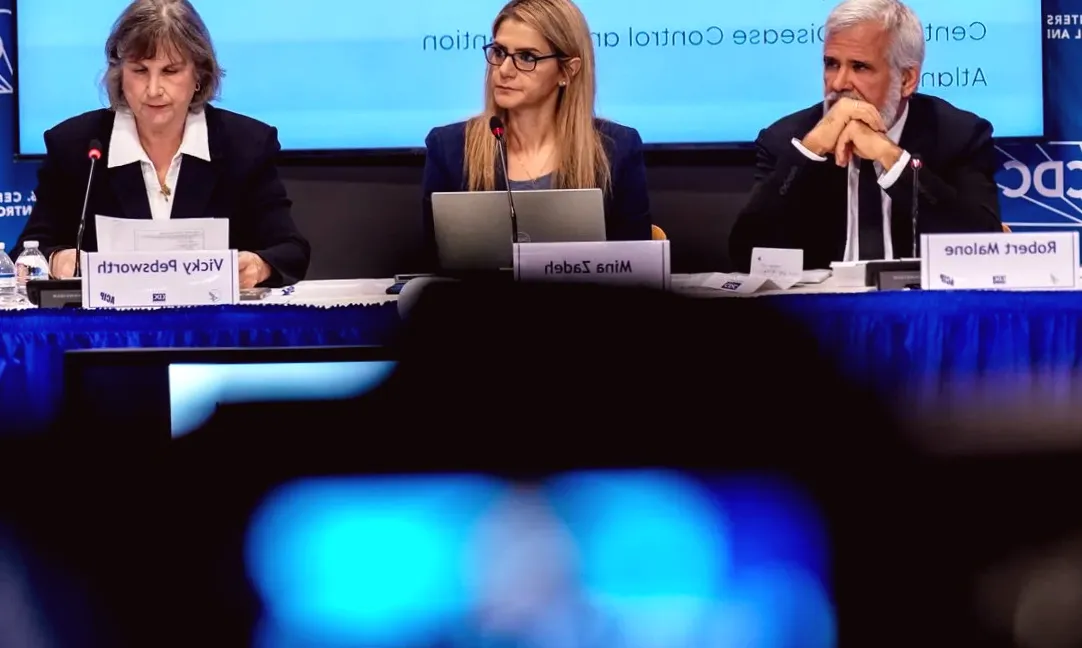
A federal vaccine advisory panel appointed by Health and Human Services Secretary Robert F. Kennedy Jr. voted on Friday to discontinue the longstanding practice of automatically vaccinating newborns against Hepatitis B. This decision reverses a 34-year-old policy and contradicts guidance from the majority of medical and public health authorities.
After assuming office earlier this year, Kennedy dismissed all 17 members of the Advisory Committee on Immunization Practices (ACIP), which advises the CDC on vaccine guidelines, and replaced them with individuals skeptical of vaccines.
Following a day of heated discussions, the panel voted 8-3 to recommend that parents consult with their doctors regarding the Hepatitis B vaccine, including the option to delay the first dose until the infant is at least two months old.
Hepatitis B is a highly contagious virus that can cause chronic liver disease and death in infected children. Currently, the CDC advises that all infants receive the first vaccine dose within 24 hours of birth, or within 12 hours if the mother is infected. Since the 1991 universal vaccination recommendation, pediatric Hepatitis B cases have declined by 99%.
The panel also passed a secondary measure, 6-4 with one abstention, suggesting parents consider testing the infant after the first dose to determine if additional doses are necessary, despite warnings that evidence does not support one dose providing long-term protection.
Since his confirmation in January, Kennedy, a known critic of vaccines, has pursued changes he describes as countering "pharmaceutical capture" of health agencies, frequently asserting that staff are overly aligned with the companies they regulate.
The vote drew immediate backlash from Senator Bill Cassidy, a liver specialist and former deciding vote for Kennedys HHS confirmation, who emphasized that the Hepatitis B vaccine is both safe and effective. Cassidy warned that halting the newborn recommendation could lead to a resurgence of infections.
Although the CDC is not obligated to adopt ACIP recommendations, it typically does, and these recommendations influence which vaccines insurers cover. Former CDC Director Susan Monarez reported she was dismissed for refusing to automatically approve ACIP guidance under Kennedy.
The American Academy of Pediatrics reaffirmed its recommendation for universal Hepatitis B vaccination for newborns, cautioning that the panels guidance could increase infections. Likewise, Richard Besser, former acting CDC director, urged reliance on established medical and public health authorities for vaccination guidance.
An ACIP working group, including members with ties to vaccine-skeptical organizations, is reviewing the entire childhood vaccine schedule. While insurers must provide vaccines recommended by ACIP and CDC, any policy changes could affect access and cost. The nations largest health insurance association confirmed it will continue covering all federally recommended vaccines.
Author: Gavin Porter
Share

RFK Jr.'s selected vaccine panel votes against recommending hepatitis B shots for newborns. Expert opinions differ.
16 minutes ago 3 min read POLITICS
Cassidy urges CDC director to refuse hepatitis B recommendations from vaccine panel
17 minutes ago 2 min read HEALTH

US panel votes to stop recommending universal hepatitis B vaccine for newborns
1 hours ago 3 min read POLITICS

CDC updates recommendation for newborn hepatitis B vaccination
1 hours ago 2 min read BUSINESS

RFK Jr. Successfully Influences Advisers to Change Guidance on Hepatitis B Vaccine
1 hours ago 2 min read HEALTH

US vaccine committee revises recommendation for hepatitis B shot in newborns
2 hours ago 1 min read BUSINESS

US expert panel decides to stop recommending hepatitis B vaccination for newborns
2 hours ago 2 min read POLITICS

CDC Panel Delays Hepatitis B Shot for Most Babies After Voting Skeptically on Vaccines
3 hours ago 2 min read HEALTH

Vaccine advisory panel decides to stop universal newborn hep B shot in significant change
3 hours ago 4 min read BUSINESS

RFK Jr. vaccine panel criticizes hepatitis B shot. How it impacts you.
3 hours ago 2 min read ENTERTAINMENT