

Cassidy urges CDC director to refuse hepatitis B recommendations from vaccine panel
- Last update: 53 minutes ago
- 2 min read
- 651 Views
- HEALTH
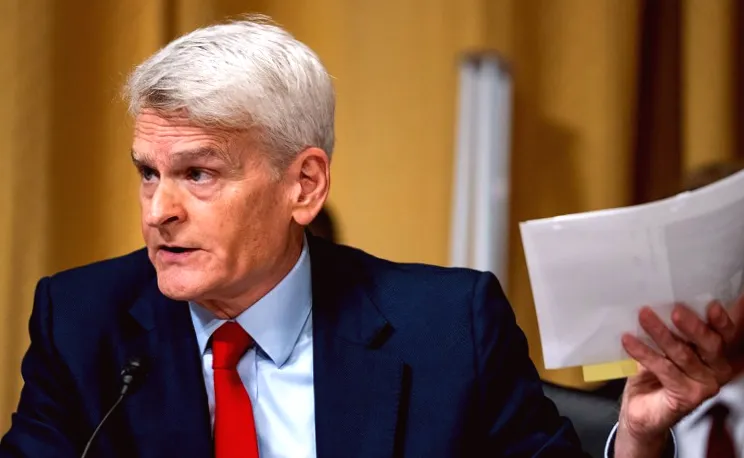
Senator Bill Cassidy (R-La.) called on the acting director of the Centers for Disease Control and Prevention (CDC) on Friday to reject a recent vaccine advisory panel proposal that would limit hepatitis B vaccinations for newborns to parental choice. The recommendation, approved 8-3 by the CDCs Advisory Committee on Immunization Practices (ACIP), suggests that hepatitis B shots for infants be postponed until at least two months old and decided individually by parents and healthcare providers.
Cassidy, a physician with decades of experience treating hepatitis B patients, criticized the panels decision. The hepatitis B vaccine is safe and highly effective. The birth dose is a recommendation, not a mandate, he said on social media platform X. He emphasized that prior to the birth dose recommendation, approximately 20,000 infants were infected annually, a number that has now fallen below 20. Cassidy warned that ending the universal recommendation could reverse this progress and increase hepatitis B cases nationwide.
The senator urged acting CDC Director Jim ONeill to reject the ACIPs suggestion and continue the current evidence-based vaccination schedule. Cassidy, chair of the Senate Health Committee, played a key role in confirming Health and Human Services Secretary Robert F. Kennedy Jr., who reorganized the ACIP and appointed members skeptical of vaccines.
While the CDC director is not obliged to adopt ACIP recommendations, the agency has historically followed the panels guidance. Recent modeling by HepVu predicts that delaying hepatitis B immunization to two months could result in 238 additional preventable infections in children and an extra $21.6 million in healthcare costs.
Author: Zoe Harrison
Share

CDC panel votes to remove recommendation for hepatitis B vaccine in newborns
43 minutes ago 3 min read POLITICS

Committee votes to eliminate mandatory hepatitis B vaccinations for newborns despite opposition from children's health experts
1 hours ago 4 min read WORLD

Federal panel decides to discontinue Hepatitis B vaccinations for newborns
1 hours ago 3 min read POLITICS

US panel votes to stop recommending universal hepatitis B vaccine for newborns
1 hours ago 3 min read POLITICS

RFK Jr. Successfully Influences Advisers to Change Guidance on Hepatitis B Vaccine
2 hours ago 2 min read HEALTH

US vaccine committee revises recommendation for hepatitis B shot in newborns
2 hours ago 1 min read BUSINESS

US expert panel decides to stop recommending hepatitis B vaccination for newborns
3 hours ago 2 min read POLITICS

CDC Panel Delays Hepatitis B Shot for Most Babies After Voting Skeptically on Vaccines
3 hours ago 2 min read HEALTH

Vaccine advisory panel decides to stop universal newborn hep B shot in significant change
3 hours ago 4 min read BUSINESS

CDC panel decides to no longer recommend birth dose of hepatitis B vaccine
3 hours ago 3 min read HEALTH