

Committee votes to eliminate mandatory hepatitis B vaccinations for newborns despite opposition from children's health experts
- Last update: 1 hours ago
- 4 min read
- 352 Views
- WORLD
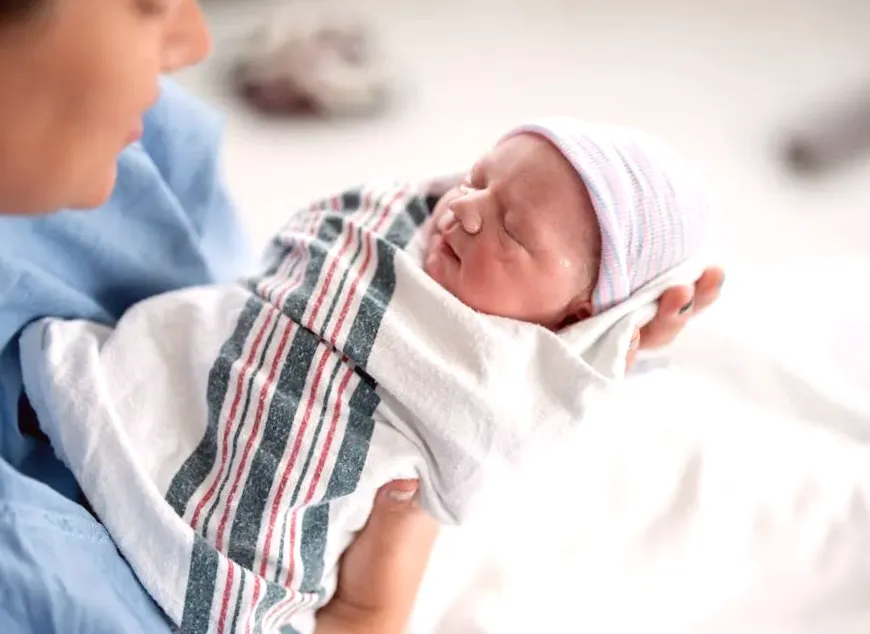
On December 5, 2025, the advisory group guiding the Centers for Disease Control and Prevention (CDC) on vaccination policy decided to stop recommending that all newborns receive the hepatitis B vaccine at birth. This decision reverses a 34-year strategy that has nearly eradicated early childhood hepatitis B infections in the United States.
Before the U.S. implemented universal hepatitis B vaccination for infants in 1991, roughly 18,000 children contracted the virus annually before age ten, with about half infected at birth. Approximately 90% of those newborn infections became chronic. One in four chronically infected children faces premature death due to liver cancer or cirrhosis.
Today, fewer than 1,000 U.S. children or adolescents contract hepatitis B each year, representing a 95% reduction, and fewer than 20 newborns are infected at birth annually. Vaccinating infants at birth remains one of the clearest evidence-based measures to prevent this lifelong infection.
Reasons Behind the Policy Shift
In September 2025, the Advisory Committee on Immunization Practices (ACIP), which advises the CDC, debated changing the birth-dose recommendation but delayed the vote. Since Health and Human Services Secretary Robert F. Kennedy Jr. replaced all committee members, the panels process and decisions have diverged from standard procedures for evaluating vaccine risks and benefits.
The updated guidance maintains vaccination at birth for infants born to mothers who test positive for hepatitis B. For infants of mothers testing negative, the decision is now left to parents and healthcare providers through shared decision-making, requiring a discussion of vaccine benefits, risks, and infection possibilities. Although this approach appears flexible, it is not supported by new evidence and introduces uncertainty in a previously clear recommendation.
Impact on Families
Healthcare providers report parents are already confused. Some new parents have requested to postpone the vaccine until adolescence, mistakenly believing infection occurs only through sexual activity or contaminated needles. Education and clarification during consultations often lead parents to vaccinate, but the situation underscores how inconsistent guidance can mislead well-intentioned families.
Why Universal Hepatitis B Vaccination Started
Hepatitis B infects liver cells, causing inflammation and potential long-term damage. It spreads through blood and bodily fluids, particularly from mother to baby during birth. Before 1991, vaccination was limited to high-risk newborns, but this approach failed to prevent many infections due to untested or late-diagnosed maternal cases and the potential for false negatives in screenings.
The CDCs 1991 policy to vaccinate all infants at birth aimed to close these gaps, especially since hepatitis B prevalence remains significant in the U.S. and many mothers do not receive prenatal care. Universal vaccination ensures protection even when maternal infection is unknown.
Risks of Delaying Vaccination
The greatest risk of hepatitis B occurs at birth. Without vaccination, 70%90% of infants born to infected mothers become infected, and most of these infections are chronic, silently damaging the liver and potentially causing cancer or death. Approximately 80% of parents currently choose birth-dose vaccination.
A study published on December 3, 2025, estimated that restricting vaccination only to infants born to infected mothers could result in an additional 476 perinatal infections each year in the U.S. The hepatitis B vaccine has an excellent safety record, with severe allergic reactions extremely rare and no reported deaths from vaccination.
Continued Risks and Vaccine Completion
Children remain susceptible to hepatitis B beyond birth through household or childcare exposures, such as shared toothbrushes or minor injuries. Full protection requires completing the three-dose vaccine series. Partial vaccination leaves children at lifelong risk. The committee now also recommends that parents consider checking antibody levels after one or two doses, though this is not a substitute for completing the series.
The original universal birth-dose recommendation aimed to protect every child, including those missed by maternal screening or exposed in everyday life. Reverting to a risk-based approach threatens this critical safeguard.
Author: Grace Ellison
Share

Cassidy urges CDC director to refuse hepatitis B recommendations from vaccine panel
15 minutes ago 2 min read HEALTH

Concerns raised by vaccine manufacturers over US panel's decision to move away from administering hepatitis B shots to newborns
16 minutes ago 2 min read BUSINESS

Federal panel decides to discontinue Hepatitis B vaccinations for newborns
1 hours ago 3 min read POLITICS

US panel votes to stop recommending universal hepatitis B vaccine for newborns
1 hours ago 3 min read POLITICS
CDC updates recommendation for newborn hepatitis B vaccination
1 hours ago 2 min read BUSINESS

Panel suggests CDC stop routine hepatitis B vaccinations for newborns
2 hours ago 4 min read HEALTH

CDC Panel Delays Hepatitis B Shot for Most Babies After Voting Skeptically on Vaccines
2 hours ago 2 min read HEALTH

CDC advisory panel restricts hepatitis B vaccination for newborns
3 hours ago 2 min read POLITICS

Vaccine advisory panel decides to stop universal newborn hep B shot in significant change
3 hours ago 4 min read BUSINESS

Explanation of why newborns receive hepatitis B vaccines
4 hours ago 3 min read POLITICS