

Explanation of why newborns receive hepatitis B vaccines
- Last update: 59 minutes ago
- 3 min read
- 211 Views
- POLITICS
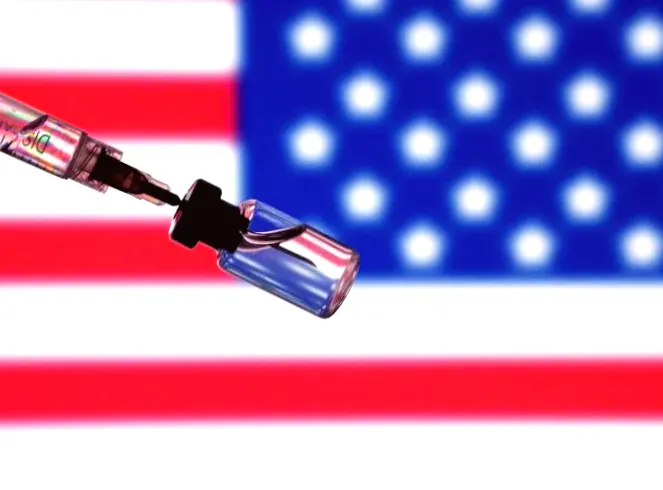
Advisers to U.S. Health Secretary Robert F. Kennedy Jr. were scheduled to decide on a potential change to the national guidance for hepatitis B vaccination in children. The proposed adjustment would recommend the vaccine only for infants born to mothers who test positive for hepatitis B, giving parents the choice in most other cases. However, the committee postponed the vote to allow more time for reviewing the proposal.
What is Hepatitis B?
Hepatitis B virus (HBV) targets the liver and is a leading cause of liver cancer globally. Many people infected with HBV show no symptoms and may be unaware of the infection. While most adults clear the virus naturally, infection becomes chronic in over 90% of infants and up to 50% of young children who contract it. Chronic HBV infection can lead to liver failure decades later, often necessitating a liver transplant, and recurrent liver problems can continue even after transplantation.
Current Prevalence
In the United States, HBV infection rates have fallen by nearly 90%, from approximately 9.6 per 100,000 before vaccination programs to about 1 per 100,000 in 2018. Globally, an estimated 254 million people were living with chronic HBV in 2022, with around 1.2 million new infections annually.
How Hepatitis B Spreads
The virus is commonly transmitted through contact with infected body fluids. Other routes include needlestick injuries, tattoos, and piercings.
Why Vaccinate Newborns?
Before vaccines were widely available, the primary route of infection was from mother to baby during birth. In the U.S., roughly 85% of newborns of mothers with active infections and 30% of those whose mothers had inactive infections would become infected. Today, after birth-dose vaccination, only 0.7% to 1.1% of infants in these categories contract HBV. Widespread newborn vaccination has similarly reduced infection rates worldwide, with 190 out of 194 WHO member countries adopting the practice as of 2020, more than half administering it to all newborns immediately after birth.
Current U.S. Vaccine Guidelines
Since October 2016, the CDC recommends that all medically stable newborns receive the first dose of the HBV vaccine within 24 hours of birth, followed by additional doses at 1-2 months and 6-18 months. For infants born to mothers with active HBV, the vaccine is administered within 12 hours along with special antibodies. Previously, the recommendation from 2005 required the first dose before hospital discharge.
Rationale for Universal Vaccination
Giving the vaccine to all newborns ensures protection for infants whose parents HBV status is unknown or was not tested. Maternal screening may miss recent infections, and infants can contract HBV from other infected individuals even if their mothers are not infected. Universal vaccination therefore provides broader, more reliable protection.
Safety of the Vaccine
The hepatitis B vaccine is considered very safe. Common side effects are mild, such as soreness at the injection site or a low-grade fever. Serious allergic reactions are extremely rare according to the World Health Organization.
Author: Caleb Jennings
Share

Understanding the who and what of presidential power
10 seconds ago 3 min read POLITICS

Trump selects new architect for $300 million White House renovation project
2 minutes ago 2 min read POLITICS

Hamas officials establish new security protocols due to concerns about Israeli assassination plot
2 minutes ago 2 min read POLITICS

Trump recruits a new architect for his $300M White House ballroom following disagreements with previous one over its size
10 minutes ago 2 min read POLITICS
White House set to present plans for new ballroom to planning commission this month
17 minutes ago 1 min read POLITICS

FBI's Bongino attempts to clarify his debunked conspiracy theory in pipe-bombs case
17 minutes ago 2 min read POLITICS

Gavin Newsom's Response to Trump Renaming Federal Building Goes Viral for Hilarious Reasons
19 minutes ago 2 min read POLITICS

Ilhan Omar accuses Trump of making racist comments against Somalis due to his sense of failure
22 minutes ago 3 min read POLITICS

Schumer to push Senate GOP to vote on three-year extension of health insurance subsidies
35 minutes ago 2 min read POLITICS

Congressman Robert Garcia and Maine Governor Janet Mills target Trump at LGBTQ+ leadership conference
37 minutes ago 3 min read POLITICS