

Georgia Power requires a significant boost in power capacity to meet the demand from data centers.
- Last update: 1 hours ago
- 3 min read
- 407 Views
- BUSINESS
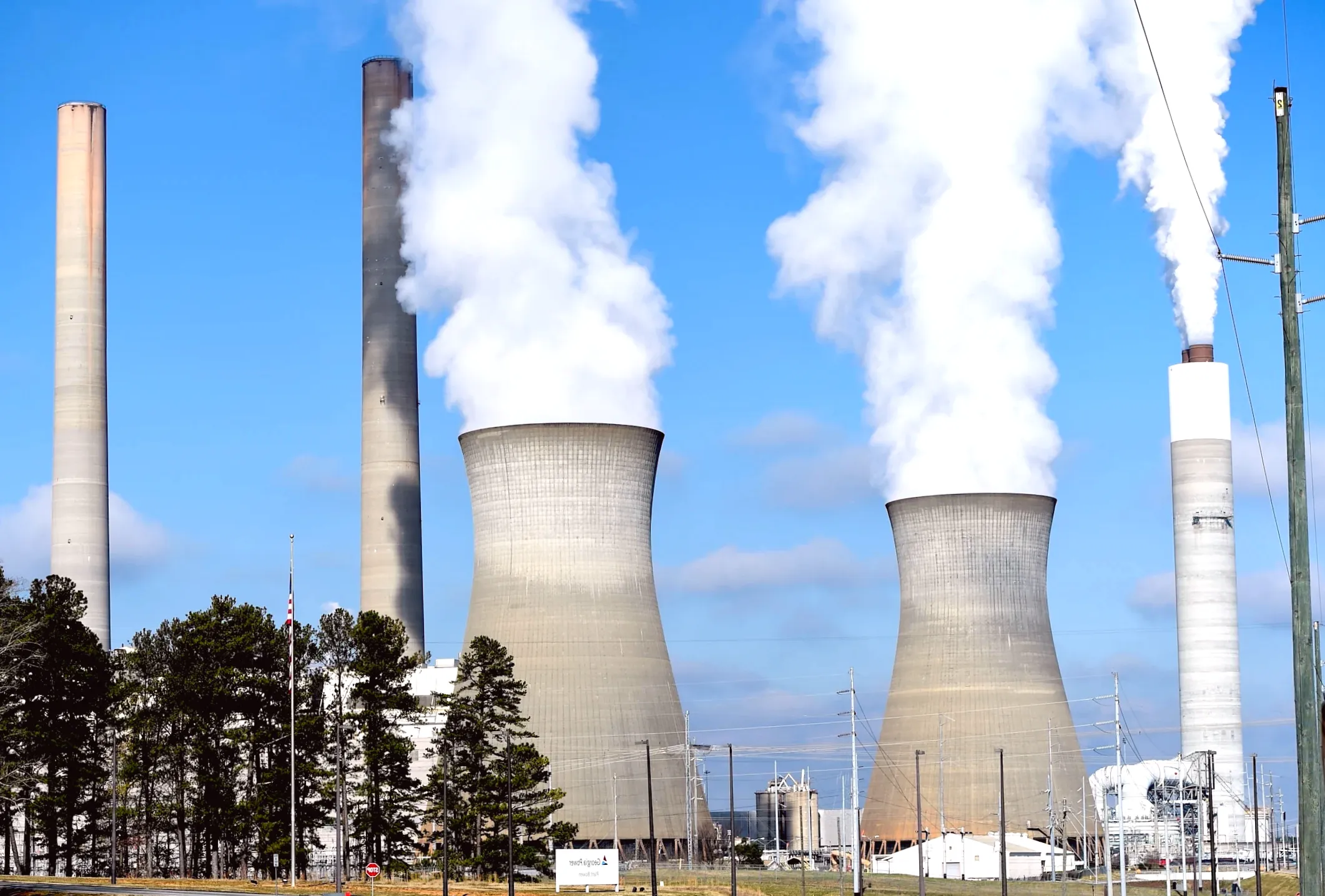
ATLANTA As Georgia attracts a surge of data centers, state utility regulators are confronted with a major decision: Should Georgia Power Co. invest over $15 billion to increase its electricity capacity by 50% in the next six years to meet the needs of these tech facilities? Critics worry that such an expansion could result in higher costs for other ratepayers if the utility overestimates demand.
The proposed project would be among the largest electricity expansions in the U.S., driven by growing demand from artificial intelligence and digital technology companies. Georgia Power, a subsidiary of Atlanta-based Southern Co., argued that the expansion would boost the state economy and position Georgia as a key contributor to the nations digital and AI advancements.
With many companies expressing strong interest in Georgia and several having signed contracts or being in advanced negotiations, it is crucial to continue supporting this growth, company officials stated in testimony.
However, rising electricity bills have sparked political debate. Opponents of data centers worry that residential and small business customers might subsidize the energy needs of large tech corporations. Charles Hua, executive director of nonprofit Powerlines, explained, Georgia illustrates a national trend: electricity demand and prices are both climbing at unprecedented rates.
Political Implications
Electricity costs have become politically charged in states hosting numerous data centers. Recent gubernatorial elections in New Jersey and Virginia highlighted energy expenses as a key issue. In North Carolina, Democratic Governor Josh Stein cited concerns over data center demand when opposing a 15% rate increase proposed by Duke Energy.
In Georgia, the five-member Public Service Commission, currently Republican-controlled, will vote on Georgia Power's expansion plan. The vote comes shortly after elections replaced two Republican commissioners with Democrats, largely due to public dissatisfaction with previous rate hikes. Current commissioners denied requests to delay the decision until the new Democrats take office.
Brionte McCorkle of Georgia Conservation Voters criticized the timing, saying a rushed vote would ignore public opinion and disproportionately favor Georgia Power.
Electricity Demand Forecasts
Georgia Power, serving 2.8 million customers, anticipates the state will see the highest percentage increase in electricity demand over the next five years outside of Texas. The utility projects needing 10,000 megawatts of new capacityenough for roughly 4 million homeswith 80% dedicated to powering data centers. This is in addition to 3,000 megawatts approved in 2024.
The commission must weigh whether these projections are realistic and who will bear the costs if data center development falls short. While new rules require data centers to cover the costs of new infrastructure, overbuilding could shift financial burdens to other customers.
Hua emphasized, If the anticipated data centers dont materialize, the infrastructure could actually drive bills higher instead of lower.
Uncertain Costs
Georgia Power has kept parts of its cost estimates confidential. The $15 billion projection only includes construction for 80% of the requested capacity and excludes borrowing costs. The true cost of the previously approved 3,000 megawatts remains undisclosed, with the rate freeze in place until 2028 delaying clarity for customers.
Staff analysis estimates that by 2031, Georgia Power might require an additional $3.4 billion in annual revenue, potentially raising residential bills by about $20 per month. The company disputes this, asserting that data center contracts and financial guarantees protect other customers from rate increases.
The commission staff recommended limiting new construction to capacity backed by signed contracts, which could reduce the need for some multibillion-dollar natural gas plants. Georgia Power opposed this, warning it could hinder economic growth and the ability to attract new data centers.
McCorkle emphasized that protecting customers should be the priority, cautioning against a scenario where citizens indirectly subsidize large tech companies.
Author: Benjamin Carter
Share

Opinion - Hold Democrats accountable for high energy prices, not data centers
4 hours ago 3 min read BUSINESS

By 2035, data centers will require twice the amount of electricity currently used by California
10 hours ago 3 min read BUSINESS

As Artificial Intelligence Grows, U.S. Fails to Address One Threat That Could Cause Everything to Shut Down
1 days ago 3 min read BUSINESS

3 important issues confronting Washington regarding AI
1 days ago 3 min read BUSINESS
Meta's massive data center construction sparks concerns about rising electricity costs: 'We didn't choose to have it here'
1 days ago 2 min read ENTERTAINMENT

Understanding small modular reactors, a new type of nuclear power plant designed to supply energy for AI's increasing demand.
2 days ago 3 min read WORLD

Hundreds of low-income families in Illinois are switching to electric power at no cost
3 days ago 4 min read HEALTH

Cost of cooking with gas increases for Americans as prices continue to rise through 2026
4 days ago 2 min read ECONOMICS

Kazakhstan's Role in Powering the AI Revolution in the United States
4 days ago 3 min read WORLD
New research reveals reasons behind escalating electric bills for millions of Americans: 'Disparities in state impacts'
5 days ago 2 min read ECONOMICS