
Henry Zeffman: Starmer's Brexit words may not be as significant as they seem
- Last update: 1 days ago
- 4 min read
- 785 Views
- BUSINESS
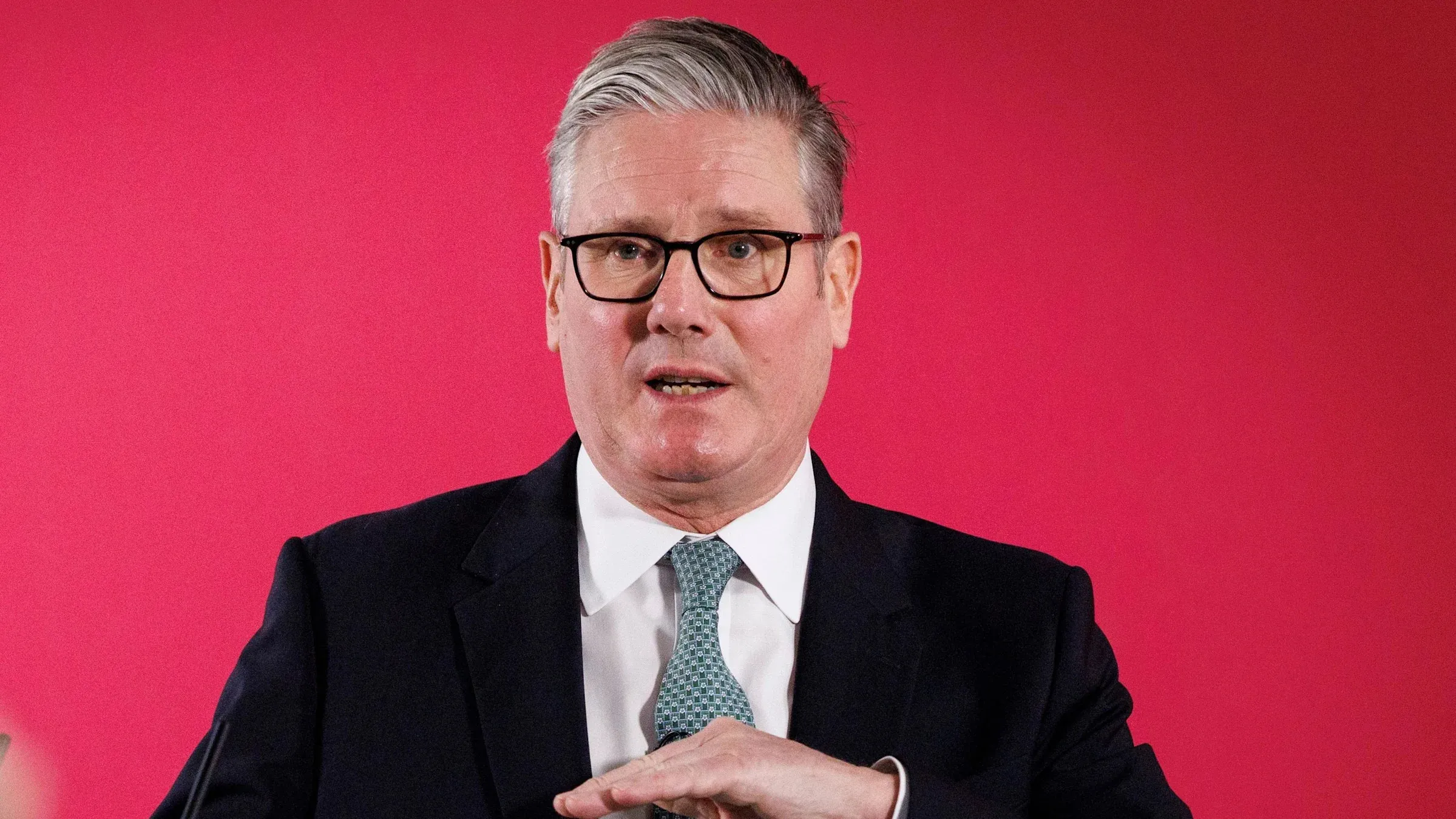
The defining moment that cemented Sir Keir Starmers rise as a likely future Labour leader came during the 2018 Labour conference. Ignoring both his leader Jeremy Corbyn and the autocue, the shadow Brexit secretary electrified delegates by advocating a second EU referendum that included the option to remain in the EU. Labour soon endorsed the idea of another referendum.
By the 2019 general election, the Conservatives secured a decisive victory and the UK formally left the EU. Shortly after, Starmer became Labour leader and largely shifted away from discussing Brexit. In the 2024 general election, he clearly stated his position: while he sought a "reset" in UK-EU relations and improvements in certain areas of the Brexit agreement, the core framework established by Theresa Mayleaving the single market and customs unionwould remain intact. This stance has guided the governments approach, culminating in a new EU-UK agreement in May.
Starmer Signals Desire for Closer EU Ties
Yet, on Monday, Starmer repeatedly emphasized the need to go further. Writing in The Guardian, he highlighted the economic harm caused by the Brexit deal and called for progress towards a closer trading relationship with the EU. In a morning speech he reiterated the theme: "We have to keep moving towards a closer relationship with the EU." Later, at the annual Lady Mayor's Banquet, he criticized the way Brexit had been sold, noting that promises to the public had gone unfulfilled and the economic consequences continue.
Reality Behind the Rhetoric
Despite this consistent messaging, the substance is more limited. During Prime Minister's Questions, Starmer reaffirmed that the key elements of the Brexit settlement remain untouchable: the UK will stay outside the single market and customs union. A senior government source confirmed that Starmers Monday statements were intended to lay the groundwork for incremental progress in specific areas rather than signaling a major policy shift.
Several ongoing negotiations illustrate this measured approach, including discussions on food checks, carbon tariffs, youth mobility schemes, and potential UK participation in the Erasmus student exchange program. These talks show that the UK-EU relationship is evolving gradually rather than undergoing a dramatic reversal.
Cabinet Changes and Political Calculations
The recent appointment of Nick Thomas-Symonds, the minister responsible for UK-EU negotiations, to the cabinet has sparked speculation about a potential shift in Brexit strategy. However, government insiders insist this is primarily a move to strengthen Starmers cabinet support, not an indication of a policy reversal. Thomas-Symonds expanded responsibilities include civil service reform, while colleague Darren Jones assists the prime minister in advancing his broader agenda.
The Customs Union Debate
Some within the government and Labour Party hope for a more ambitious Brexit strategy, including potential reentry into the EU customs union. Advocates argue this could boost economic growth, as it would eliminate tariffs on trade with EU countries. However, experts caution that rejoining the customs union would require concessions from the EU and would restrict the UKs independent trade agreements, such as deals with India and the US.
Politically, rejoining the customs union is not impossible. Labour strategists believe there is room to act, especially in constituencies that supported Brexit but are less emotionally invested in the issue today. The focus would be on trade benefits rather than immigration or sovereignty concerns, which remain sensitive topics.
Public Opinion and Electoral Considerations
Many voters are now indifferent to Brexit, and Labour sees closer EU ties as a way to appeal to progressive voters who might otherwise support the Greens or Liberal Democrats. Polls indicate that a majority of the public now views Brexit as a mistake. Within the party, this shift is likened to changing public sentiment on historical decisions, where initial support has waned over time.
Author: Zoe Harrison