

States Must Share $50B Rural Fund with Tribes, After Republicans Excluded Them.
- Last update: 3 days ago
- 4 min read
- 19 Views
- BUSINESS
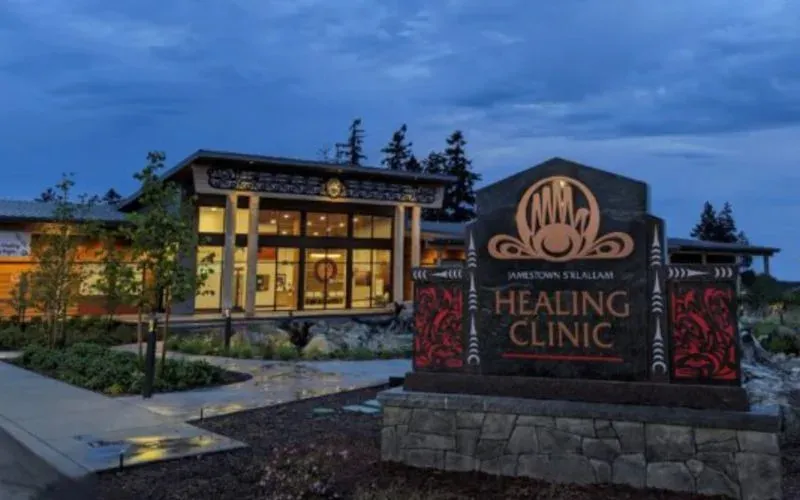
The Trump administration has promoted its $50 billion Rural Health Transformation Program as the largest U.S. investment in rural health care to date. However, Native American tribes in remote areaswho face substantial challenges in accessing health carewere largely overlooked in the official communication.
Federally recognized tribes cannot apply directly for the rural health funds; only state governments can submit applications, and states are not mandated to address tribal needs. Despite this, some states with significant Native American populations included tribal-focused initiatives in their submissions for the five-year funding.
These initiatives often target workforce development, technological upgrades, and traditional healing practices in Native communities. State applications were submitted to the Centers for Medicare & Medicaid Services by November 5.
The Rural Health Transformation Fund was introduced late in the One Big Beautiful Bill Act to counteract potential financial damage to rural hospitals caused by proposed spending cuts in the Republican legislation. Some states, including Idaho, Nevada, and Oregon, plan to allocate 3% to 10% of their federal grants to tribes, while Washington proposed setting aside $20 million annually.
Although federally recognized tribes maintain direct government relationships, state governments also distribute resources to tribes and can craft policies supporting tribal priorities. Both states and tribes are concerned about the effects of the GOP budget signed into law in July, which is expected to reduce Medicaid funding by nearly $1 trillion and increase the uninsured population by approximately 10 million people.
A CMS spokesperson noted that state applications must involve consultation with key stakeholders, including tribal affairs offices and Indian health care providers. However, official tribal governments are not explicitly included, leaving tribes only able to apply for subgrants through their states. Tribal leaders have voiced frustration about being treated as ordinary stakeholders rather than sovereign nations, emphasizing that consultation quality varies widely by state.
With 574 federally recognized tribes and over 7 million Native American and Alaska Native people in the U.S., the population faces lower life expectancy and worse health outcomes compared to other demographics. The Indian Health Service, responsible for providing health care to these communities, has been historically underfunded.
Analysis by KFF Health News showed that 12 states with substantial Native American populations incorporated tribal consultations in their planning. Idaho, Washington, Montana, and Arizona held sessions before the application deadline, while in other states, tribal leaders participated in public hearings to ensure their concerns were considered.
For example, South Dakota, home to nine federally recognized tribes representing 9% of the population, included initiatives for telehealth and doula programs and plans ongoing collaboration with the Great Plains Tribal Leaders Health Board throughout the funding period. Oklahoma, with over 14% Native American residents, allowed tribal input during public information-gathering for its application.
North Dakota identified tribes as program partners and proposed physician residency slots with tribal rotations and farm-to-table food initiatives. However, it did not allocate a set percentage of funds directly to tribes. Some states, such as Washington, included tribal-focused workforce development, hospital coordination, and $2.4 million annually for rural health education programs. Alaska proposed integrating traditional healing practices into Native village clinics, while Oregon allocated an estimated $20 million per year, or 10% of its rural health award, to tribal health initiatives.
Regardless of state proposals, tribes remain eligible to apply for subgrants. Larger tribes with more resources may benefit, while smaller tribes might struggle with competitive applications. Leaders like Jerilyn Church of the Great Plains Tribal Leaders Health Board hope that advocacy efforts will result in resources reaching tribal communities when states receive their fund allotments.
Contributors: KFF Health News, South Dakota correspondent Arielle Zionts.
Author: Elyse Wild, Senior Health Editor for Native News Online, specializes in health equity issues in Native communities, including mental health, maternal mortality, and the overdose crisis. She has been recognized with the Excellence in Recovery Journalism Award and is working on a Pulitzer Center-funded series on cultural approaches to addiction treatment.
Author: Sophia Brooks
Share
Map reveals states where recalled shredded cheese was distributed
10 minutes ago 2 min read BUSINESS

'Must Be Blocked': Writers Guild of America firmly opposes the merger of Netflix and Warner Bros.
11 minutes ago 2 min read BUSINESS

GLP-1 study aims to use medication to help cats lose weight
12 minutes ago 2 min read BUSINESS

Footage reveals Elon Musk, Andy Warhol, Jeff Bezos portrayed as robotic dogs in art
12 minutes ago 2 min read BUSINESS

Recall of Publix and Costco Salad Dressings Due to Potential Plastic Contamination Affects Over 4,000 Cases
14 minutes ago 2 min read BUSINESS

Stephen Miller Responds to Pete Hegseth's Babysitting Comment — And It's Pretty Harsh
16 minutes ago 2 min read BUSINESS

Authorities discover additional reports of Tesla's Full Self-Driving system running red lights and changing lanes
17 minutes ago 2 min read BUSINESS

Could Donald Trump Attempt to Prevent Netflix from Acquiring Warner Bros.?
20 minutes ago 3 min read BUSINESS

Erin Fetherston's Former $3.99M L.A. Mansion Reduced by $500K — Luxurious Pool Paradise Previously Owned by Joe Jonas, Available for Purchase
23 minutes ago 2 min read BUSINESS
Ex-Minnesota Governor Advises Against 'Stigmatizing' Somalis
23 minutes ago 2 min read BUSINESS