

The European Union's bioeconomy plan will revolutionize packaging
- Last update: 5 hours ago
- 2 min read
- 454 Views
- BUSINESS
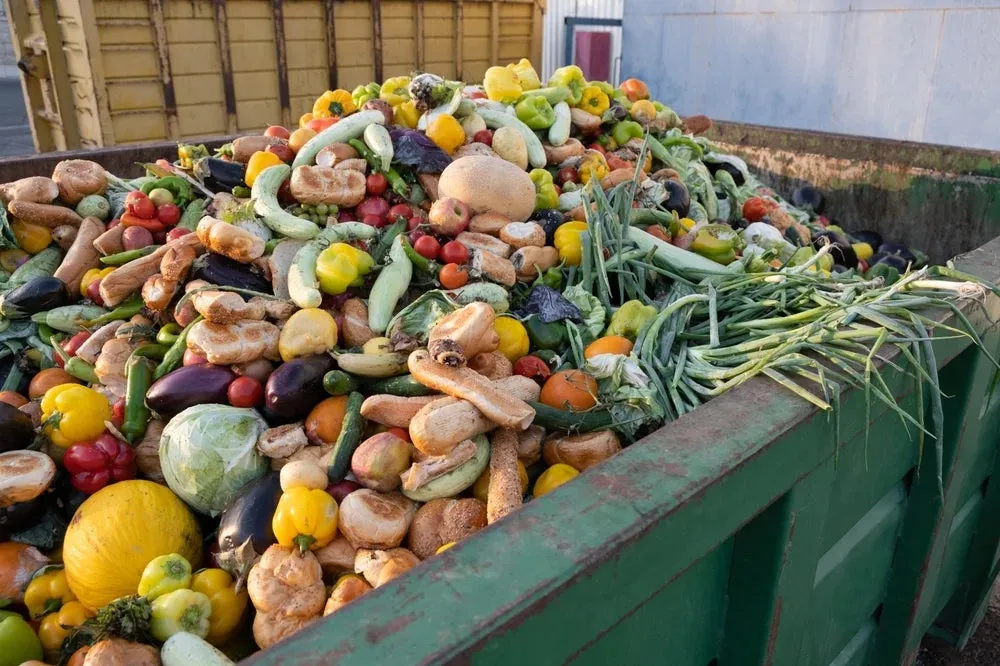
The European Commission has introduced a Strategic Framework under its EU Bioeconomy Strategy, aiming to transform the packaging sector across Europe and internationally. The initiative is focused on reducing reliance on fossil-based plastics and promoting renewable, bio-based alternatives, creating new avenues for sustainable packaging solutions.
Shifts in Bio-based Materials and Packaging
The updated strategy emphasizes the use of biological resources in production, offering strong support for bio-based plastics and other eco-friendly packaging materials. In 2023, the EUs bioeconomy was valued at nearly 2.7 trillion, providing approximately 17.1 million jobs, or 8% of the workforce. Bio-based plastics are already utilized in packaging and automotive components, while demand is rising for bio-based textiles, construction materials, and chemicals.
To accelerate adoption, the Commission plans to implement supportive policies, including legislative targets, streamlined approval processes, and reduced regulatory obstacles, enabling manufacturers to bring bio-based packaging to market more efficiently.
Boosting Investment, Innovation, and Production
Scaling up innovation is a central element of the framework, bridging the gap between laboratory breakthroughs and industrial production. The plan includes a combination of public and private investment, aligning EU funding with bioeconomy priorities. A dedicated Bioeconomy Investment Deployment Group will be created to develop bankable projects and attract private-sector financing.
The strategy also proposes forming a Bio-based Europe Alliance, a consortium of companies expected to collectively invest 10 billion in bio-based solutions by 2030, providing market certainty and supporting demand for sustainable packaging. Streamlined regulations and faster approvals aim to help smaller businesses and start-ups overcome delays and uncertainty.
Sustainability, Biomass Sourcing, and Global Positioning
The strategy highlights the importance of sustainable biomass sourcing, including agricultural residues, by-products, and organic waste, reducing reliance on virgin materials. This circular approach aims to protect forests, soils, and ecosystems while enhancing supply chain resilience.
Strategically, the EU seeks to strengthen its position in global bio-based industries, reduce dependency on fossil fuels and critical raw materials, and become a leader in sustainable packaging technologies.
Implications for the Packaging Sector
The Bioeconomy Strategy focuses on moving bio-based packaging from niche applications to mainstream adoption. Companies will need to adapt to new regulations, secure sustainable biomass, and leverage investment incentives to scale production. Over the coming years, the industrys response will determine whether bio-based packaging becomes the standard rather than an alternative option.
Author: Noah Whitman
Share

BiblioFlex to track flexible plastic packaging and recycling in Canada
54 minutes ago 2 min read BUSINESS
Source Fashion introduces plan to navigate upcoming EPR regulations
59 minutes ago 2 min read BUSINESS

ALPLA obtains funding to test food-grade HDPE recycling
2 hours ago 2 min read US
Supermarket chain introduces groundbreaking initiative to transform product offerings: 'Our focus is clear'
2 hours ago 2 min read BUSINESS
Europe bans hotels from providing popular amenity to tourists starting in 2026: Expected to create logistical challenges
5 hours ago 2 min read TRAVEL
Target employee causes anger by sharing photo of frustrating situation at work: 'This doesn't make sense'
1 days ago 2 min read BUSINESS

2026 brings significant changes to packaging regulations
1 days ago 3 min read BUSINESS

New packaging trends are emerging in the European pharmaceutical industry.
1 days ago 3 min read BUSINESS
Coca-Cola introduces innovative alternative for its sodas: 'We'll keep innovating to maintain our commitment'
1 days ago 2 min read BUSINESS

From Tree Branches to Fleece Jackets: German Chemicals Plant Invests in Biomass
1 days ago 3 min read WORLD