

The Global Dominance of the "Albanian Army"
- Last update: 1 hours ago
- 3 min read
- 848 Views
- BUSINESS
Never underestimate the unexpected. Back in December 2010, Jeff Bewkes, then CEO of Time Warner, likened the emerging streaming and DVD-by-mail company Netflix to the military of a small Balkan nation. When asked if Netflix posed a threat to Hollywood powerhouses, he quipped, Its a little bit like, is the Albanian army going to take over the world? I dont think so.
Netflix co-founder Reed Hastings laughed off the remark, later calling Bewkes a comedian. By the following April, Bewkes softened his stance, acknowledging, I do have a fondness for subscription television, and Netflix is subscription television. So, welcome, brother!
Fast forward to recent events: Warner Bros. Discovery rolled out a grand welcome for Netflix executives, including chairman Hastings and co-CEOs Ted Sarandos and Greg Peters, unveiling a monumental $82.7 billion deal to sell its studios and streaming operations to the streaming giant. WBD CEO David Zaslav praised the union, calling it a merging of two storytelling titans and emphasizing the shift in the industrys landscape, where content production, distribution, and discovery are evolving.
On a conference call, Sarandos reciprocated the goodwill, expressing gratitude for the trust placed in Netflix to steward Hollywoods legacy content.
The Netflix Journey
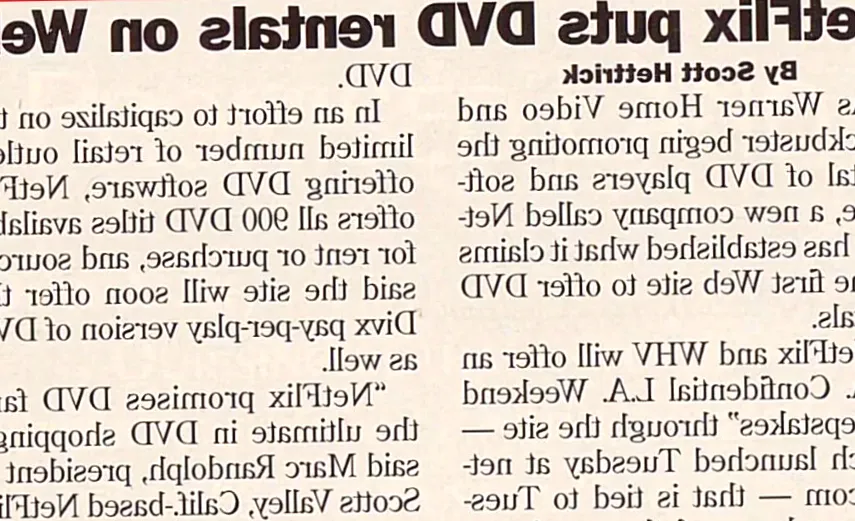
Netflixs rise began in the late 1990s as a DVD-by-mail service, going public in 2002. Hastings envisioned gradual growth in the Bay Area before expanding nationwide. Initially, Hollywood saw Netflix merely as a DVD rental service, underestimating its potential to disrupt the profitable DVD and cable markets.
In January 2007, Netflix introduced its streaming feature, Watch Now, quickly surpassing its DVD business. By late 2010, streaming became its primary revenue source, capturing the attention of studios and networks seeking new income streams through licensing deals. A pivotal early boost came from a $25 million-a-year agreement with Starz, giving Netflix access to Sony and Disney films, which significantly undermined traditional pay TV subscriptions.
Facing challenges as studios pulled content, Netflix pivoted to original programming. Its first major original series, House of Cards in 2013, marked the beginning of a global expansion into original content, including international productions like 2012s Norwegian-set Lilyhammer. By January 2016, Netflix had launched in 130 new territories, solidifying its global reach.
By the end of 2024, Netflix surpassed 300 million subscribers and developed an advertising-supported tier. The company even made a historic move into mergers and acquisitions, acquiring a major Hollywood studio in a groundbreaking deal.
Challenges Ahead
Despite its dominance, Netflix faces obstacles. Competitors such as Paramount Skydance have raised objections, and regulatory scrutiny is expected. Analysts predict potential antitrust considerations and opposition from theater operators, labor unions, and rival streaming platforms. As the largest streaming service worldwide, Netflix must navigate these hurdles carefully while continuing its rapid global expansion.
Author: Maya Henderson
Share

The Top 10 TV Shows of 2025
15 minutes ago 2 min read ENTERTAINMENT

The Potential Impact of Netflix Acquiring Warner Bros. on Movie Theaters
19 minutes ago 3 min read ENTERTAINMENT

The impact of Netflix acquiring Warner Bros. on the film industry
36 minutes ago 3 min read ENTERTAINMENT

Is Netflix attempting to acquire Warner Bros. or destroy it?
36 minutes ago 3 min read ENTERTAINMENT

The impact of Netflix's acquisition of Warner Bros. on the film industry
39 minutes ago 3 min read ENTERTAINMENT

How Netflix's purchase of Warner Bros. will impact the film industry
40 minutes ago 3 min read ENTERTAINMENT

PGA Acknowledges Producers' Valid Concerns Over Netflix-Warner Bros. Deal
1 hours ago 1 min read ENTERTAINMENT

Global Insider: Netflix-WBD Response; Hilarity & Miniature Drama Frenzy; Start of Red Sea
2 hours ago 3 min read ENTERTAINMENT

Netflix's acquisition of Warner Bros: What it means for viewers
3 hours ago 3 min read ENTERTAINMENT

Netflix emerges victorious in competition for Warner Bros as HBO becomes part of streaming giant's empire
3 hours ago 2 min read ENTERTAINMENT