

This Formerly Popular Grocery Chain Thrived in the '50s But Didn't Survive to the 2000s
- Last update: 2 hours ago
- 2 min read
- 796 Views
- BUSINESS
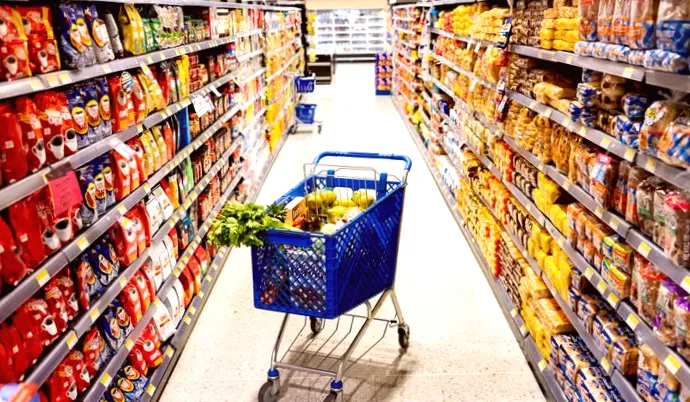
The closure of grocery chains often feels like the loss of a familiar part of daily life. Looking back to the 1950s, National Supermarkets (also known as National Tea Co.) was thriving. Emerging from the shadows of the Great Depression, the company had achieved significant successsomething many other chains could not claim. By 1956, National Supermarkets was celebrating a milestone, reporting record profits of $600 million.
However, the chain's prosperous years were numbered. In the same year, George Weston Limited, the parent company of Loblaws Companies Limited, acquired National Supermarkets, largely financed by a hefty loan. As the 1960s unfolded, it became clear that Weston had overextended with an aggressive expansion strategy. The focus then shifted toward profitability, yet it was too late to reverse the company's fortunes. By 1976, despite efforts to rejuvenate the struggling chain, Weston was forced to sell 63 stores to A&P. But this sale did little to revive National Supermarkets, as A&Ps own future was far from secure.
The final blow came in the late 1980s. With the rise of Walmart and its single-location convenience model, consumer preferences began to change. In 1988, the opening of a Walmart superstore in Washington, Missouri, proved disastrous for the local National Supermarket, signaling the start of the end. By 1995, Galen Weston, the grandson of George Weston, acknowledged the inevitable and sold off the remaining stores. National Supermarkets quietly faded away, leaving Walmart to dominate as the nations largest grocery chain.
Interestingly, Weston Limiteds decision to sell was strategic. The chain was sold to Schnuck Markets Inc., which acquired 57 stores, while 28 others were handed over to Schwegmann Giant Supermarkets. This move effectively wiped out National Supermarkets, once a key competitor. The acquisition, however, was not without controversy. The Federal Trade Commission raised concerns that the sale might violate antitrust laws, potentially giving Schnuck Markets too much control over the St. Louis market. Despite the legal hurdles, the deal proceeded, a reminder of the complex nature of the grocery industry.
In hindsight, the downfall of National Supermarkets can be seen as a failure to adapt. Schnuck Markets, the company that took over, continued to innovate, introducing new store formats like Schnucks Fresh and even deploying robots like Tally to assist with inventory management in 2021. Unfortunately for National Supermarkets, these advancements came too late for them.
Author: Zoe Harrison