

Top FDA drug regulator to leave position shortly after starting
- Last update: 2 days ago
- 3 min read
- 21 Views
- BUSINESS
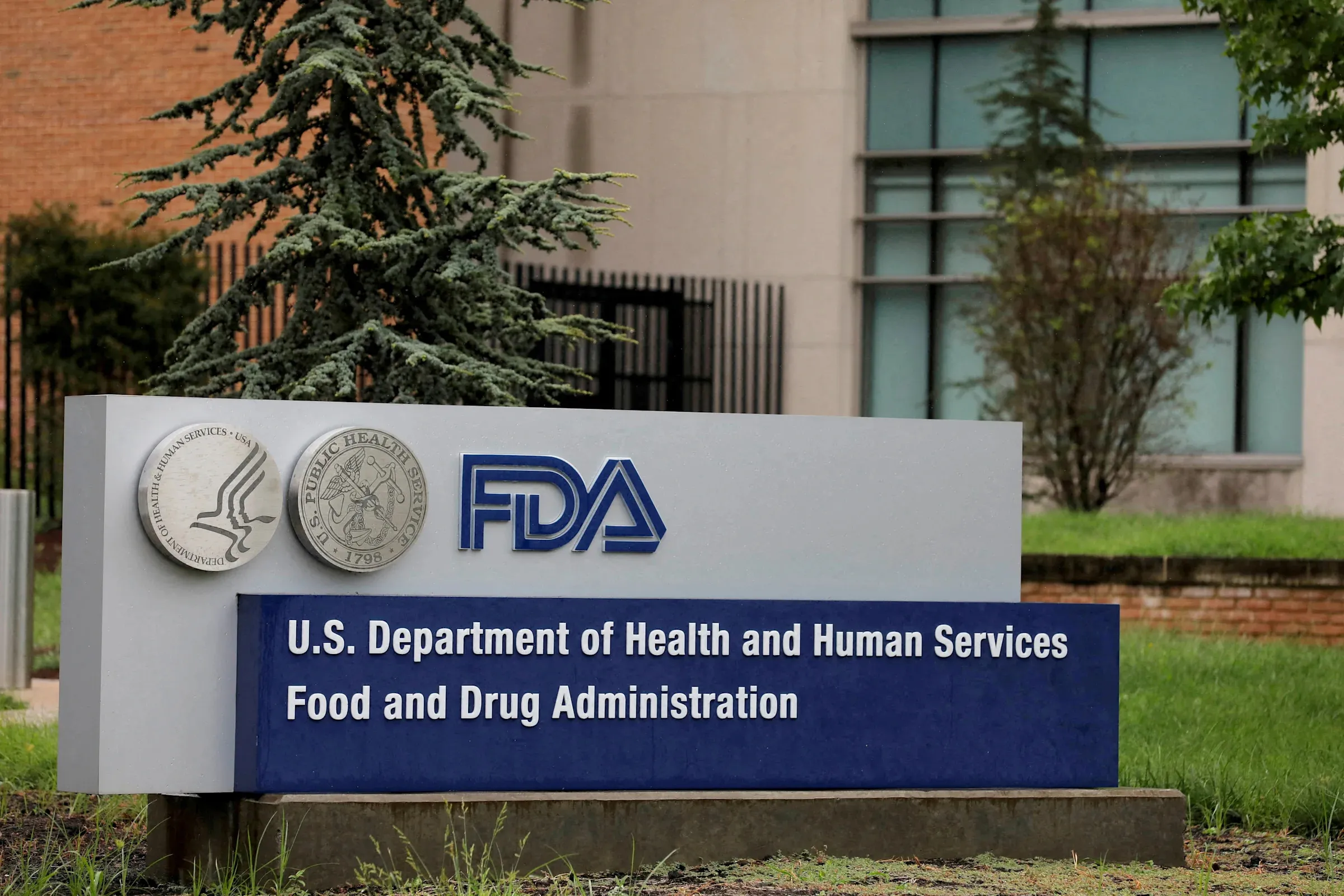
The United States leading drug review official, Dr. Richard Pazdur, has chosen to retire just three weeks after accepting his latest position. Prior to making the decision official, he had privately expressed concerns about the legality and speed of proposed changes to how medications would be reviewed and approved at the Food and Drug Administration.
His departure comes amid reported friction with FDA Commissioner Dr. Marty Makary, who has been advocating for a faster and more streamlined regulatory process. In particular, Pazdur objected to plans that could dramatically reduce approval timelines for medications linked to national priorities, including treatments for rare conditions and efforts to strengthen domestic pharmaceutical production.
An FDA spokesperson acknowledged Pazdurs long-standing impact on the agency, emphasizing that his leadership and vision will continue to influence its direction. The statement highlighted his 26 years of service and noted that, as the founding director of the Oncology Center of Excellence, he helped drive innovation across multiple divisions and contributed to advancements in patient care.
Pazdur has not issued a public comment regarding his decision. According to individuals familiar with the situation, he filed retirement paperwork with the intention of leaving the agency by the end of December, though there was some discussion about the possibility of reversing that choice. Despite this, the Department of Health and Human Services considers the retirement final.
Over more than two decades at the FDA, Pazdur became one of the most influential figures in cancer drug evaluation. Advocacy leaders reacted strongly to the news. Ellen V. Sigal, head of Friends of Cancer Research, described the development as a significant loss for both science and patients, stating that Pazdur had been a guiding force in oncology regulation.
Earlier in November, Commissioner Makary had announced that Pazdur would lead the Center for Drug Evaluation and Research after the resignation of George Tidmarsh. Tidmarsh had faced scrutiny following internal investigations and a lawsuit tied to his public criticism of a companys treatment, which he was accused of attacking due to a personal conflict involving its leadership.
Dr. Vinay Prasad, the FDAs top vaccine regulator and an ally of Makary, has also been known to hold critical views of Pazdurs approach. Shortly before the retirement became public, Prasad outlined a stricter strategy for vaccine approvals, claiming in an internal communication that COVID-19 vaccines had contributed to the deaths of at least ten children, though no evidence was shared. His remarks caused significant concern among health experts and former agency officials.
Despite internal tensions, both Makary and Prasad had previously praised Pazdur on a November 13 podcast, suggesting his appointment would add stability and encourage innovation within the agency. Makary described Pazdur as exceptionally skilled at accelerating the development and approval of important new therapies by offering strategic insight to pharmaceutical companies.
Industry analysts had initially reacted positively to Pazdurs appointment. Chris Meekins of Raymond James referred to him as an ideal choice for both patients and the pharmaceutical sector. Following the announcement of his resignation, however, Meekins reversed his position, commenting that ongoing instability within the FDA had reached levels comparable to reality television drama and predicting that political leaders would soon demand change.
Pazdurs retirement is the latest in a series of high-level departures and organizational changes at the FDA, which has recently experienced multiple layoffs and resignations. Just last month, he had stated that he remained committed to the agencys mission and his role. At the same time, HHS officials rejected criticism that FDA decision-making had become inconsistent, noting that evolving regulatory requirements reflect adherence to science-based evaluation rather than unpredictability.
Author: Sophia Brooks
Share

I Penned 'Dude, Where's My Car' 25 Years Ago. It Would Never Get Greenlit Today.
2 minutes ago 4 min read BUSINESS

Thursday's Brief Report, April 25, 2012
10 minutes ago 2 min read BUSINESS

Biographer reveals secret Middle East deals involving Princesses Beatrice and Eugenie
12 minutes ago 1 min read BUSINESS

Exclusive: India considers expanding phone-location surveillance; Apple, Google, and Samsung express opposition.
13 minutes ago 3 min read BUSINESS

Final supermoon of the year will appear tonight
15 minutes ago 1 min read BUSINESS

Where have the Morton's rolls pension payments of my deceased husband disappeared to?
17 minutes ago 3 min read BUSINESS

Bus fares reduced to £1.50 in towns across Lincolnshire.
21 minutes ago 1 min read BUSINESS

Federal Authorities Inquire Waymo About Robotaxis Repeatedly Passing School Buses in Austin
23 minutes ago 2 min read BUSINESS

What is the amount of the Powerball jackpot? Important details before the upcoming drawing.
25 minutes ago 2 min read BUSINESS

Powerball jackpot reaches $820M before Saturday's lottery draw
26 minutes ago 2 min read BUSINESS